In This Article
- The Smoke Point Problem (Why It Actually Matters)
- Avocado Oil
- Algae Oil
- Extra Virgin Olive Oil
- Coconut Oil
- Macadamia Nut Oil
- Ghee (Clarified Butter)
- Butter (Yes, Regular Butter)
- Beef Tallow
- Duck Fat
- Schmaltz (Rendered Chicken Fat)
- Lard (Rendered Pork Fat)
- What Oil for What? My Picks by Cooking Method
- My Kitchen Setup (What I Actually Keep on the Counter)
- The Buyer’s Guide: What to Look For
- Frequently Asked Questions
Fast forward a couple years, and my cabinet looks completely different. Avocado oil, coconut oil, olive oil, ghee, tallow, duck fat, lard, butter, schmaltz, even algae oil (that last one caught me off guard). Some of these were worth every penny. A few were total wastes of money. And a couple taught me stuff about cooking I genuinely did not expect.
What nobody tells you, though: some of these “healthy” oils smoke like crazy at normal cooking temps. Your kitchen will reek of coconut for half a day if you fry eggs in virgin coconut oil. Most avocado oil on store shelves is literally fake. I learned all of this the hard way, burning food and reading way too many studies at 1 AM.
So here’s everything I know about cooking oils AND fats, compressed into one guide.
The Smoke Point Problem (Why It Actually Matters)
Yeah, “smoke point” sounds boring. Bear with me for a minute because this one actually matters more than most people think. When you push an oil past its smoke point, the fat starts oxidizing. Free radicals form. You get this compound called acrolein, which is what makes your eyes sting when oil burns in the pan. Here’s the irony: oxidized fats are the whole reason people ditch seed oils in the first place. So cooking with the “right” oil at too high a temperature kind of defeats the purpose.
Simple way to think about it: higher smoke point = more flexibility in the kitchen. Searing steaks and doing stir fry? You need something rated for 450°F or higher. Mostly just sauteing veggies and whisking dressings? A lower smoke point works fine.
- Low heat (eggs, gentle saute) = 250-325°F
- Medium heat (stir fry, pan frying) = 325-400°F
- High heat (searing, deep frying) = 400-500°F
Match your oil or fat to your cooking style, not the other way around.
Avocado Oil
Everyone in the seed oil free world loves avocado oil. High smoke point, no weird taste, goes with everything. I get the appeal. But before you grab the first bottle you see at the store, there’s something you really need to know about this market.
Chosen Foods 100% Pure Avocado Oil
Verified Pure
High Heat
Smoke Point: ~480°F
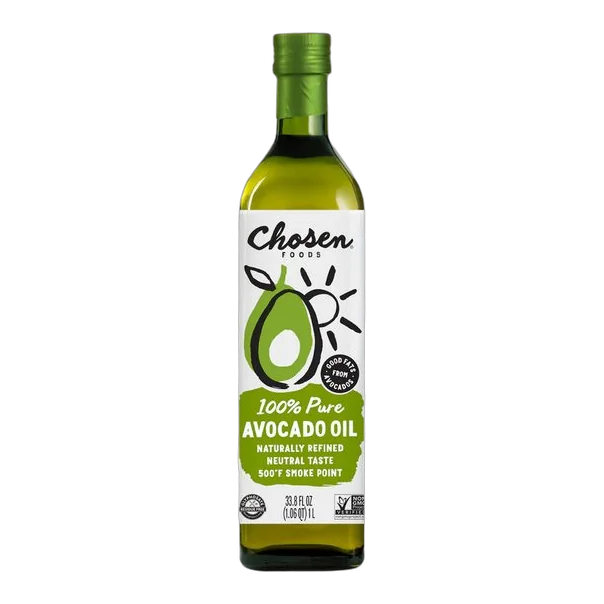
Out of all the brands UC Davis tested, Chosen Foods was one of only two that came back clean. Actually pure. Actually not oxidized. They also do third party lab testing every quarter and post the results publicly, which puts them ahead of like 90% of avocado oil companies out there.
Taste wise, it’s neutral. You won’t notice it in your food, which is the whole point. I cooked with this daily for about a year before discovering algae oil. If someone asks me what single oil to buy, I still point them here. It’s the easiest recommendation I can make because it just works for everything: pan frying, baking, dressings, searing.
You’ll pay more than the generic avocado oils at the grocery store. But those generic bottles might literally be soybean oil in disguise, so the price premium is buying you actual avocado oil. That seems worth it to me.
Pros: Passed UC Davis purity testing, third party tested quarterly, neutral flavor, high smoke point, widely available.
Cons: Pricier than generic avocado oils (which are probably fake anyway), refined processing removes some nutrients found in virgin avocado oil.
Algae Oil
This is the oil that changed everything for me. Most people haven’t heard of it yet, but algae oil has the highest smoke point of any cooking oil on the market. Higher than avocado. Higher than refined safflower. And the flavor is so neutral you’d never know it was there. I actually have two brands I rotate between now, and both ended up here for different reasons.
Algae Cooking Club Chef Grade 100% Algae Cooking Oil
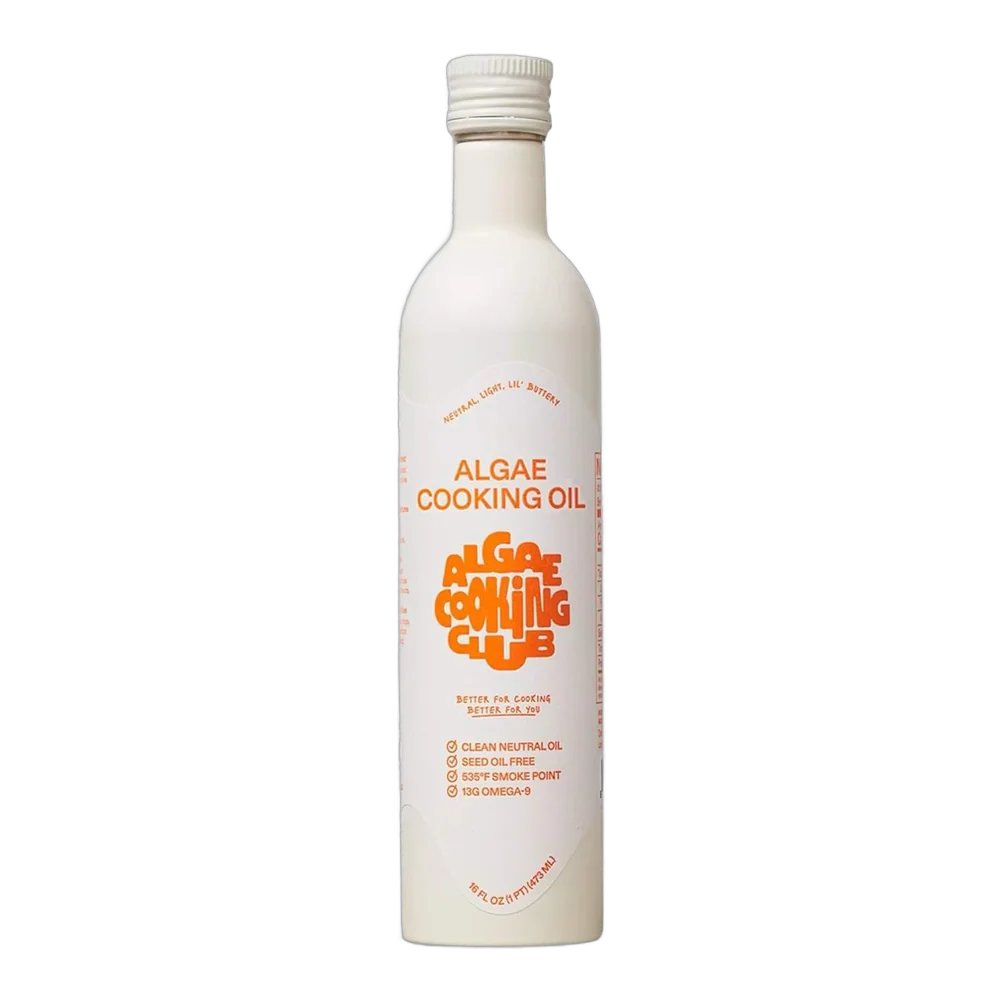
Steel Pan Approved
High Heat
Smoke Point: 535°F
I found this one because of Steel Pan Guy (@steelpan.guy on TikTok). If you haven’t seen his videos, go watch a few. The guy sears steaks on heritage steel pans and cooks Italian food that makes you want to throw your nonstick cookware in the trash. He uses Algae Cooking Club oil for pretty much everything, and after watching him get these insane sears with zero smoke, I had to try it myself.
Glad I did. 535°F smoke point. That’s the ceiling for cooking oils right now. The squeeze bottle design is a nice touch too. You get precise control over how much oil hits the pan, no glugging from a big bottle. Two 7oz bottles in a pack, which sounds small until you realize you only need a little squeeze per cook. Mine lasted way longer than I expected.
Flavor is neutral with a slight buttery quality. Same deal as Thrive in that department. Rich in omega-9 (oleic acid), barely any omega-6. The brand is a small business on Amazon with 4.6 stars and over a thousand purchases last month, so I’m clearly not the only one who stumbled onto this.
If you’re into steel pan cooking or just want something that can handle screaming hot temperatures without setting off your smoke detector, this is the bottle to grab. It’s the one I reach for when I’m searing now.
Pros: 535°F smoke point (highest available), squeeze bottle for precise pouring, neutral buttery flavor, rich in omega-9, small business brand, Amazon’s Choice.
Cons: 7oz bottles are on the smaller side, newer brand with less track record than Thrive, only available on Amazon currently.
Purchase signal: Bought once, in 2025.
Price: $17.91 for two 7 oz squeeze bottles on September 26.
I started using Thrive about a year ago and I haven’t looked back. The smoke point is absurd. I use it on my grill grates, in my stainless steel pans for high heat searing, and for basically any situation where I need an oil that can take serious heat without smoking up my kitchen. And that last part is huge. My wife used to complain every time I seared a steak indoors. With algae oil, the smoke alarm stays quiet.
On the nutrition side, this stuff is 90% monounsaturated fat. Same oleic acid you find in olive oil. But what really caught my attention is the omega-6 content: it’s almost nothing. And that’s a big deal, right? The whole reason most of us ditched seed oils is because of omega-6 overload. Turns out a lot of “healthy” cooking oils still pile on the omega-6. Algae oil doesn’t.
The taste is completely neutral. Almost buttery if anything. It doesn’t compete with whatever you’re cooking, which is exactly what I want from a daily cooking oil. I keep a bottle of Thrive next to my stove and a bottle of olive oil for finishing and dressings. That two bottle system covers about 95% of my cooking.
Thrive Algae Cooking Oil
Highest Smoke Point
High Heat
Smoke Point: 485-535°F
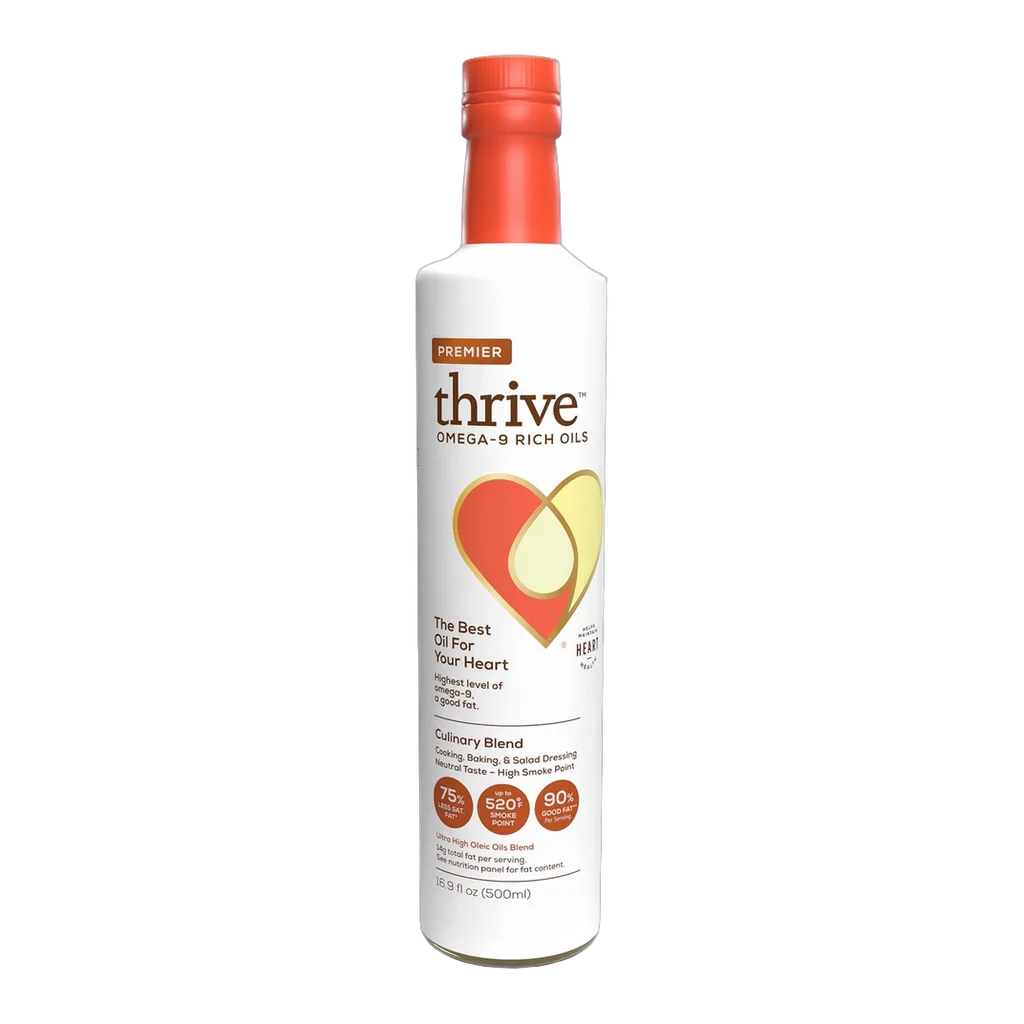
Fair warning: Thrive also sells an “Everyday Culinary Blend” that includes high oleic sunflower oil. That’s technically still a seed oil. Make sure you’re buying the pure algae oil, not the blend.
Pros: Highest smoke point of any cooking oil (485-535°F), ultra neutral flavor, 90% monounsaturated fat, very low omega-6, no smoke when searing indoors.
Cons: Harder to find than avocado or olive oil, pricier per ounce, relatively new to market so less long term research available.
Picked for: The other algae oil on the shelf, in a bigger bottle.
Price: $24.26 for 16.9 fl oz.
Extra Virgin Olive Oil
You already know olive oil is good for you. People have been cooking with it for thousands of years and the research behind it is stacked. What you might not know is that the olive oil market has a fraud problem too. Not as bad as avocado oil, but it’s there. And the real difference between a bottle that’s actually helping your health and one that’s just taking up space in your pantry? Polyphenol content. That’s the metric that matters.
I use this for everything below 400°F. Sauting vegetables, making dressings, drizzling over hummus, finishing dishes. It’s not my go to for high heat searing (that’s where algae oil or avocado oil steps in), but for medium heat and below, it’s the best thing in my kitchen.
Kasandrinos Extra Virgin Olive Oil
Best Overall EVOO
High Heat
Smoke Point: ~400°F
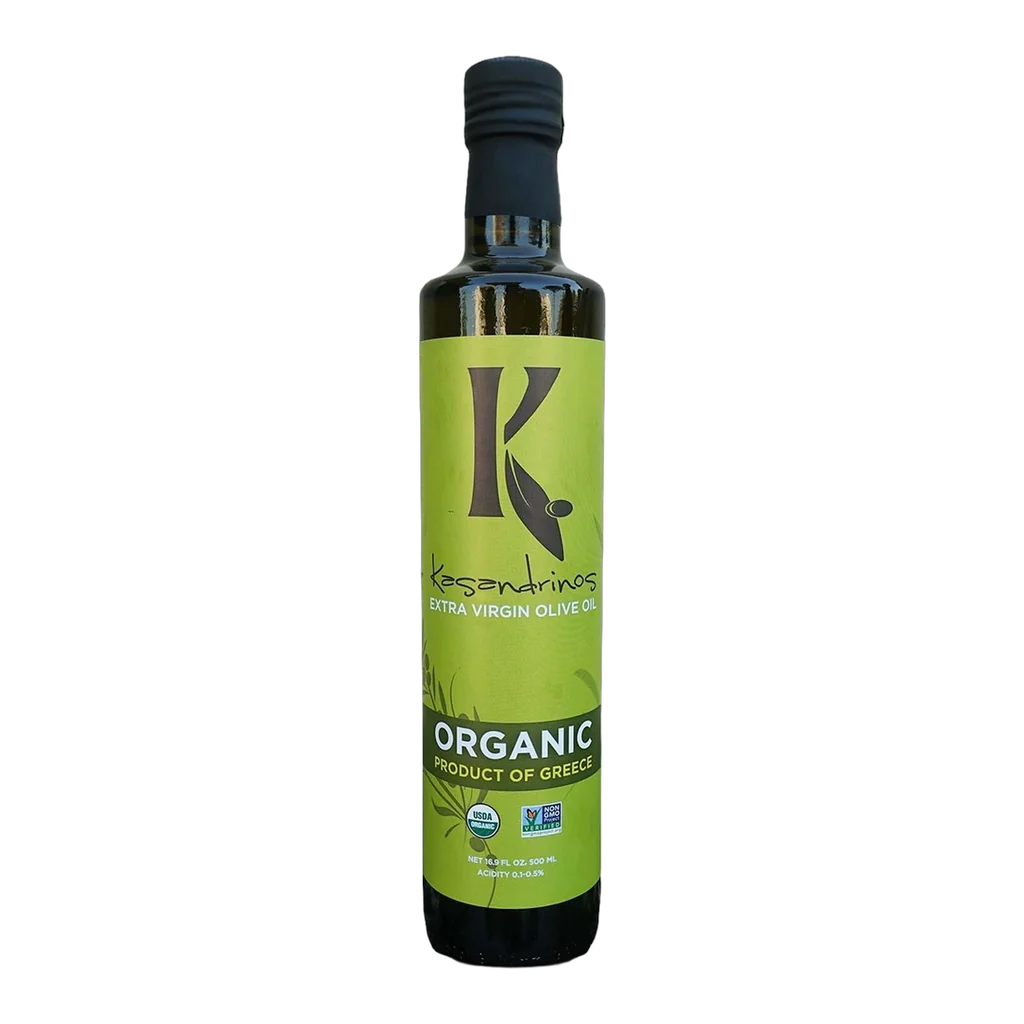
Here’s what sets Kasandrinos apart: they test every batch. Twice. With independent labs. And they publish everything. Polyphenol count, phthalate levels, glyphosate, heavy metals. It’s all right there on their website. Their polyphenol numbers land around 400 mg/kg, which is way above the 250 mg/kg the EU requires before you can even put a health claim on the label.
The oil comes from a single family estate in Laconia, Greece. It tastes like olive oil should taste: peppery, slightly bitter, grassy. If your olive oil tastes like nothing, it’s probably not doing much for you nutritionally either.
Pros: Highest transparency in the industry, ~400 mg/kg polyphenols, dual independent testing per batch, single estate Greek origin, excellent flavor.
Cons: Strong olive flavor isn’t for every dish, lower smoke point limits high heat use, premium price compared to grocery store brands.
Picked for: Organic Greek oil sold on its polyphenol content.
Price: $34.99 for 500 ml.
Graza’s “Sizzle” is specifically designed for cooking (they also make “Drizzle” for finishing). It comes in a squeeze bottle, which sounds gimmicky until you use it. No dripping, no fumbling with a cap while your pan is smoking. Just squeeze and go. I keep one next to the stove.
Graza “Sizzle” Extra Virgin Olive Oil
Best for Everyday Cooking
High Heat
Smoke Point: ~410°F
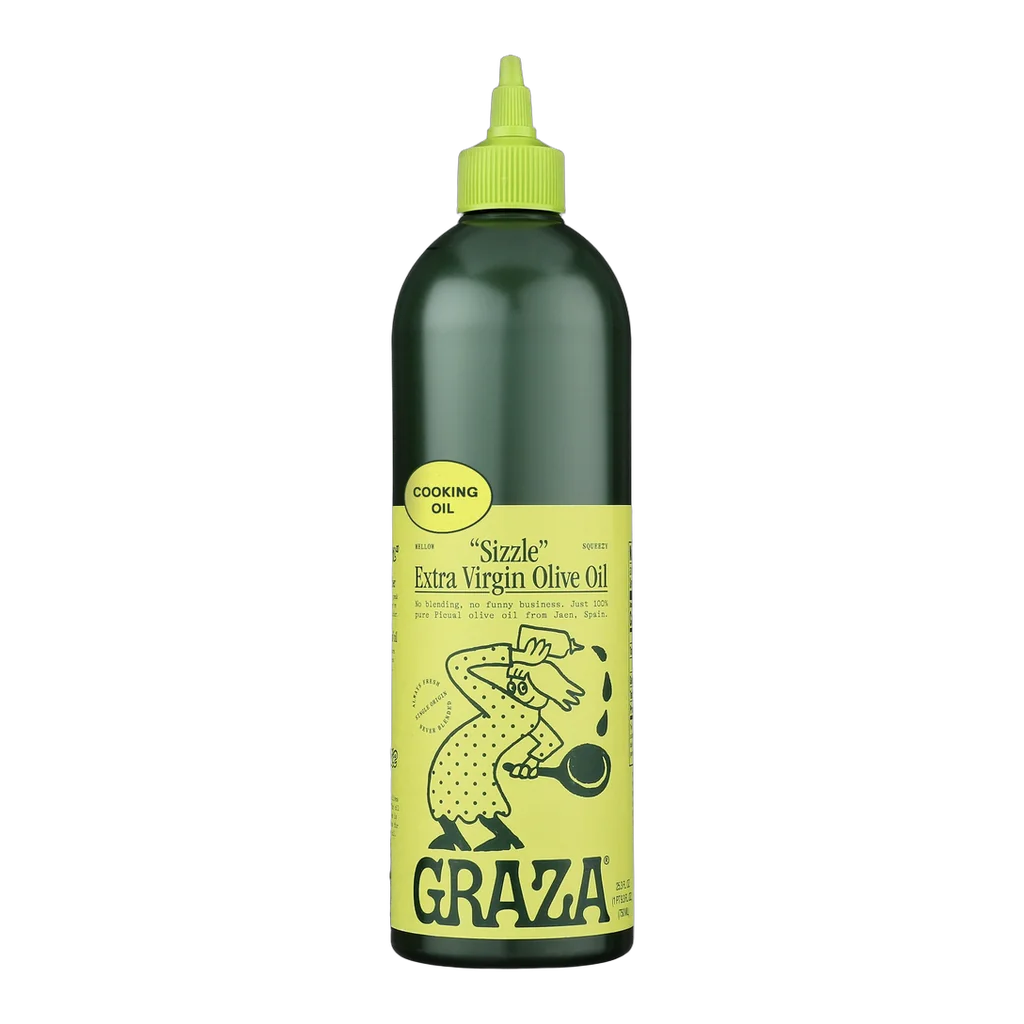
The flavor profile is milder than Kasandrinos. Slightly fruity, less peppery, more approachable. If you’re transitioning from canola oil and you don’t love that strong olive oil punch, Graza is a good stepping stone. Polyphenol content sits around 312 mg/kg, which barely clears the EU health claim threshold. Good, but not exceptional on that front.
Pros: Squeeze bottle is genuinely useful, mild flavor works with more dishes, affordable for quality EVOO, designed specifically for cooking heat.
Cons: Lower polyphenol count than Kasandrinos, Spanish blend (not single estate), less transparency on testing protocols.
Picked for: The squeeze bottle olive oil meant for cooking.
Price: $12.85 for 750 ml on September 26.
Coconut Oil
Remember around 2015 when people were dumping coconut oil in their coffee and slathering it on toast? That wave calmed down, but coconut oil still earns a spot in the rotation for certain jobs. Your main choice: virgin (smells and tastes like coconut, obviously) or refined (neutral flavor, handles more heat).
Nutiva Organic Refined Coconut Oil
Best for Cooking
High Heat
Smoke Point: ~400°F (refined)
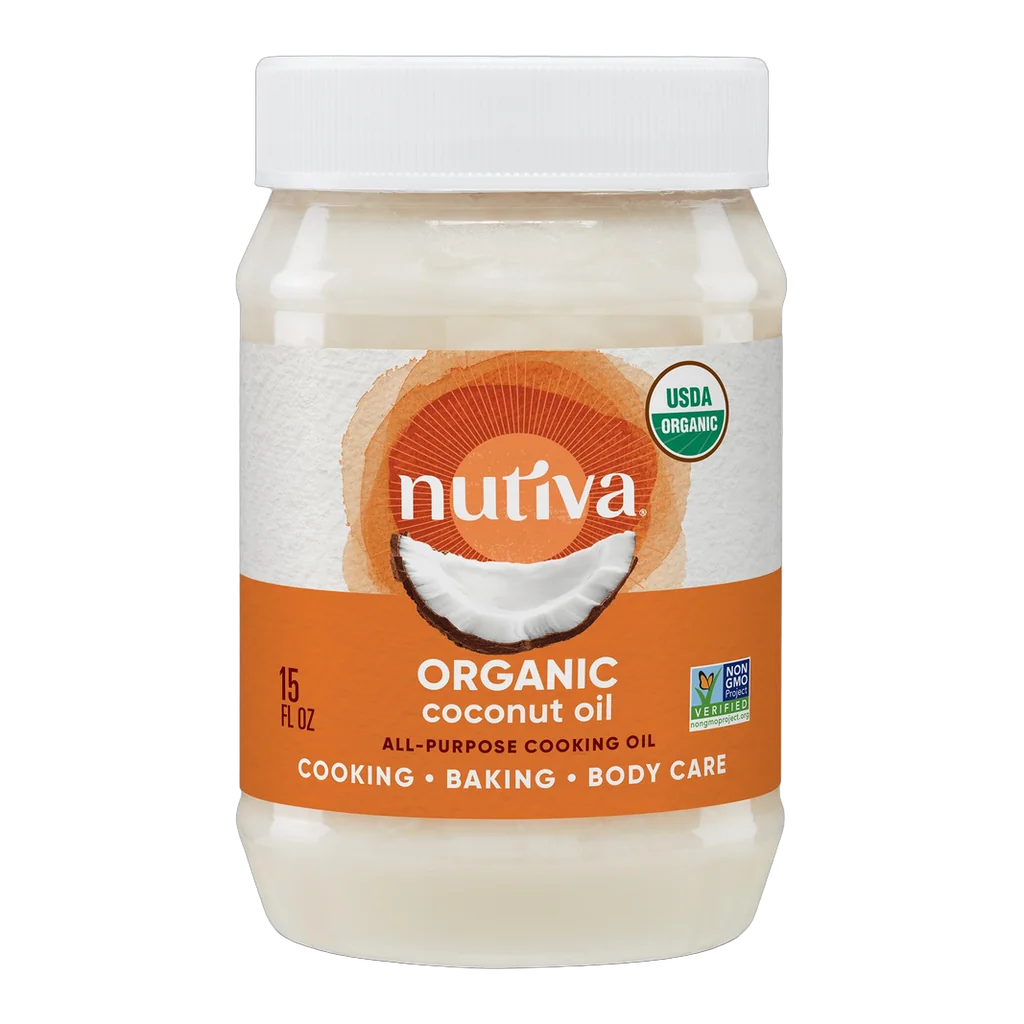
Not every meal should taste like a beach vacation. That’s why refined coconut oil exists. Nutiva does theirs with steam, no chemicals involved, so you still get a clean product with a higher smoke point. Here’s what surprised me: most “refined” coconut oils from other brands still carry that faint coconut flavor. Nutiva’s truly doesn’t. It vanishes into whatever you’re making. Perfect for when you’re baking brownies or frying chicken and the last thing you need is a coconut undertone.
I reach for this when I’m making stovetop popcorn (coconut oil + popcorn is legitimately one of the best snacks on earth), when I’m baking anything that calls for a neutral oil, and occasionally for stir frying. The 54 oz jar lasts a while because a little goes a long way. It’s solid at room temperature, which takes some getting used to if you’ve only ever cooked with liquid oils.
Pros: Truly neutral flavor (better than most refined brands), USDA organic, steam refined without chemicals, good value in large sizes, solid track record.
Cons: Solid at room temperature (can be annoying to scoop), lower smoke point than avocado or algae oil, saturated fat content is a concern for some people.
Purchase signal: Nutiva coconut oil is a repeat buy for me, 2015 to 2023. My record shows the virgin kind, not this refined jar.
Price: $6.16 for 15 fl oz.
Viva Naturals Organic Virgin Coconut Oil
Best Virgin Option
Medium Heat
Smoke Point: ~350°F (virgin)
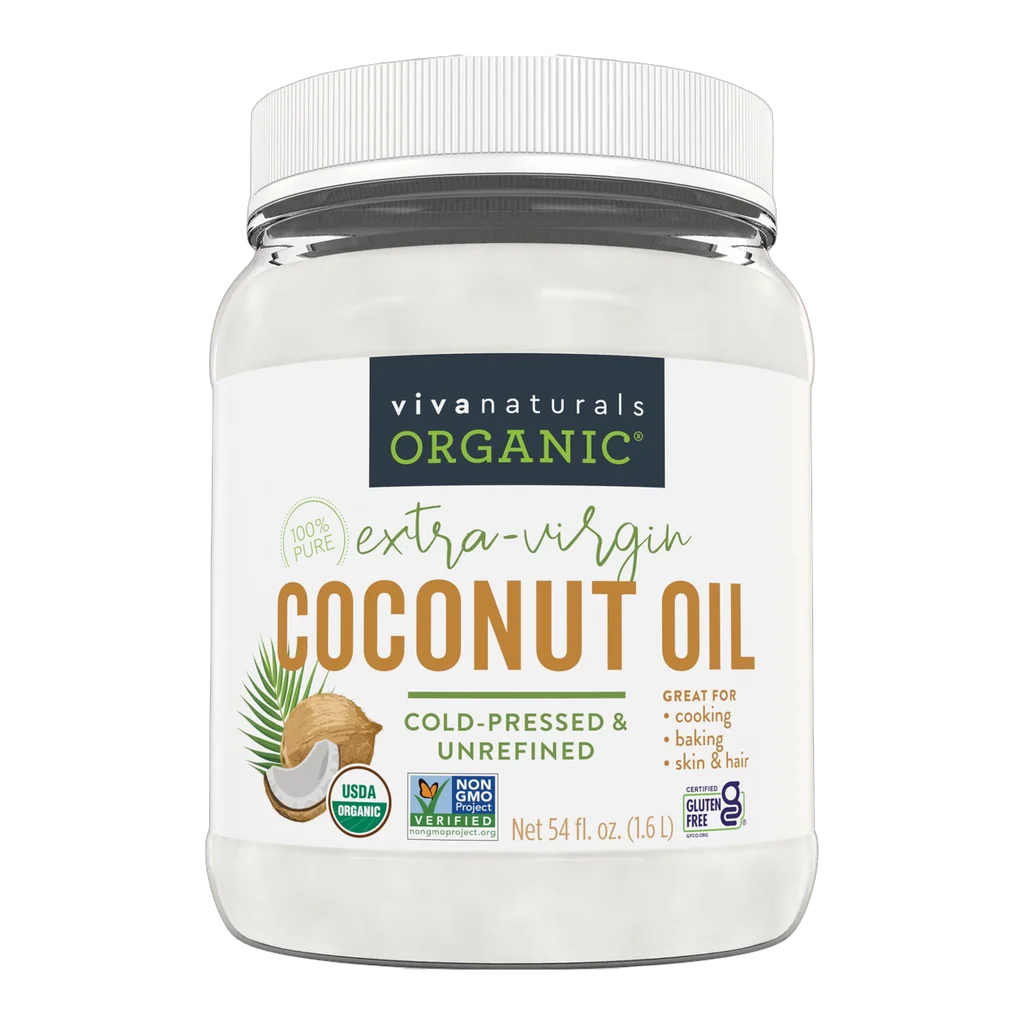
If you actually want the coconut flavor (Thai curries, tropical baking, certain smoothie recipes), Viva Naturals makes a solid virgin option. Cold pressed, unrefined, with that rich coconut taste and aroma. It also has the lauric acid and other compounds that get stripped out during refining, which is the reason some people choose virgin over refined despite the lower smoke point.
The 54 oz tub runs about $15 on Amazon, which is honestly a pretty good deal for organic virgin coconut oil. Just don’t try to sear a steak with this. The 350°F smoke point means it’s for gentle to medium heat only.
Pros: Great coconut flavor, cold pressed with nutrients intact, excellent price for the volume, organic.
Cons: Low smoke point (350°F), strong coconut taste isn’t appropriate for all dishes, solid at room temperature.
Picked for: A big unrefined jar at a low price per ounce.
Price: $19.79 for 54 fl oz.
Macadamia Nut Oil
Macadamia oil is the sleeper pick on this list. Most people have never even considered cooking with it, but the fatty acid profile is outstanding. It’s loaded with monounsaturated fat (even more than olive oil by percentage), has very low omega-6, and the flavor sits in this sweet spot between neutral and slightly nutty. Think of it as the intersection of olive oil’s nutrition and avocado oil’s versatility.
House of Macadamias does third party lab testing on their oil, which puts them ahead of most brands in this space. Cold pressed, extra virgin, single ingredient. The flavor has a subtle nutty sweetness that works surprisingly well for both cooking and finishing. I like it drizzled over roasted vegetables or in a vinaigrette where olive oil would be too strong.
House of Macadamias Extra Virgin Macadamia Nut Oil
Seed Oil Free, Lab Tested
High Heat
Smoke Point: ~410°F
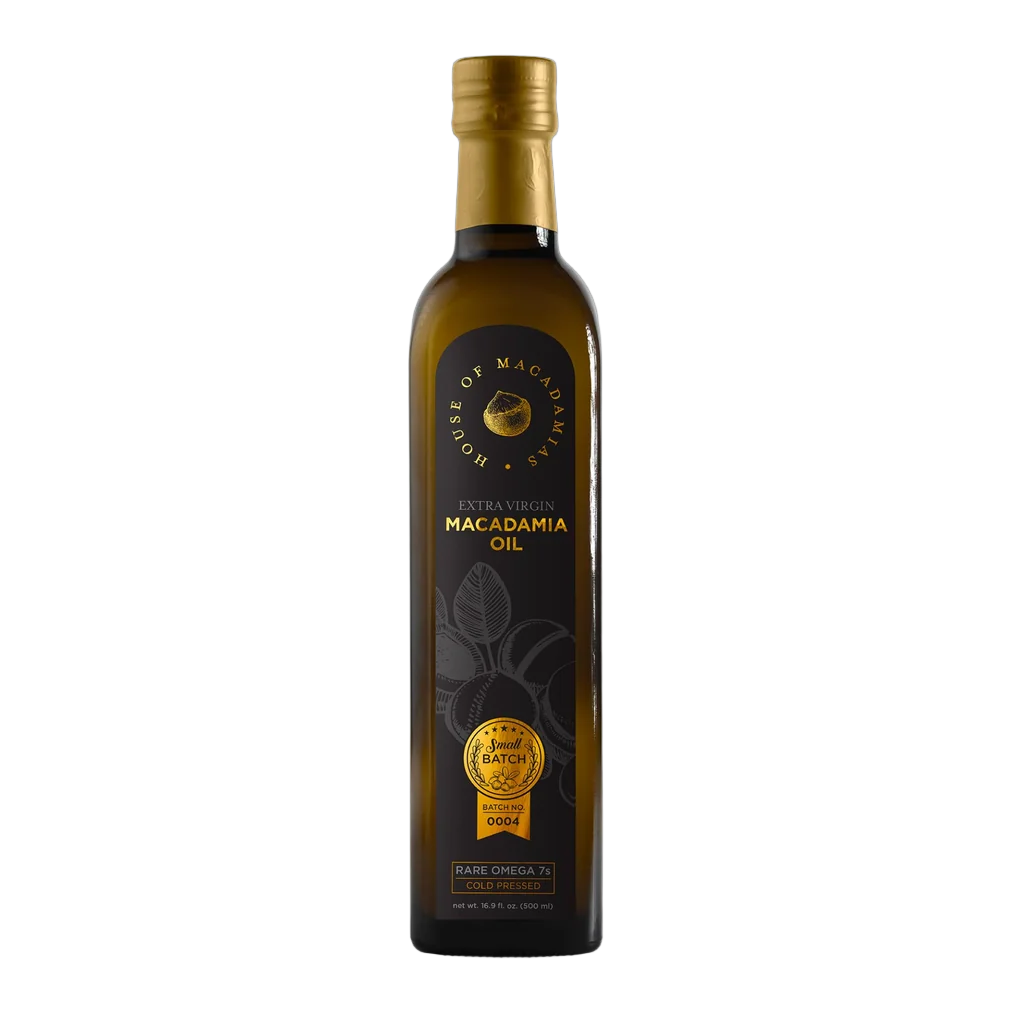
The smoke point around 410°F means it handles medium to high heat cooking without any issues. Stir fry, saute, light pan frying, all fair game. The omega-6 content is among the lowest of any plant based oil, which makes it an interesting choice for people who are serious about keeping their omega ratios in check. The main downside? Price. Macadamia nuts are expensive, so the oil is too. But for a finishing oil or a special occasion cooking oil, it’s hard to beat.
Pros: Exceptionally low omega-6, high monounsaturated fat, third party tested, beautiful nutty flavor for finishing, seed oil free.
Cons: Expensive per ounce, niche product that’s harder to find, not ideal for high heat searing above 410°F.
Picked for: Macadamia oil, mostly monounsaturated, in dark glass.
Price: $22.49 for 16.9 fl oz.
Ghee (Clarified Butter)
Take butter. Remove the milk solids. What you’re left with is ghee, and it cooks completely differently than regular butter. The smoke point jumps up to about 450°F, so it won’t burn when you crank the heat. And because the lactose and casein are gone, even people who can’t handle dairy often do fine with ghee. It’s been a staple in Indian cooking for literally thousands of years. Not a trend. Not a fad. Just a really good fat that works.
I use ghee for eggs in the morning (nothing beats eggs cooked in ghee, seriously), for sauteing vegetables where I want that buttery richness, and occasionally for basting steaks. The 450°F smoke point means it can handle real heat without burning the way regular butter does. They also make flavored versions like vanilla bean and Himalayan salt, which are interesting for baking.
4th & Heart Grass Fed Ghee
Best Value Grass Fed
High Heat
Smoke Point: ~450°F
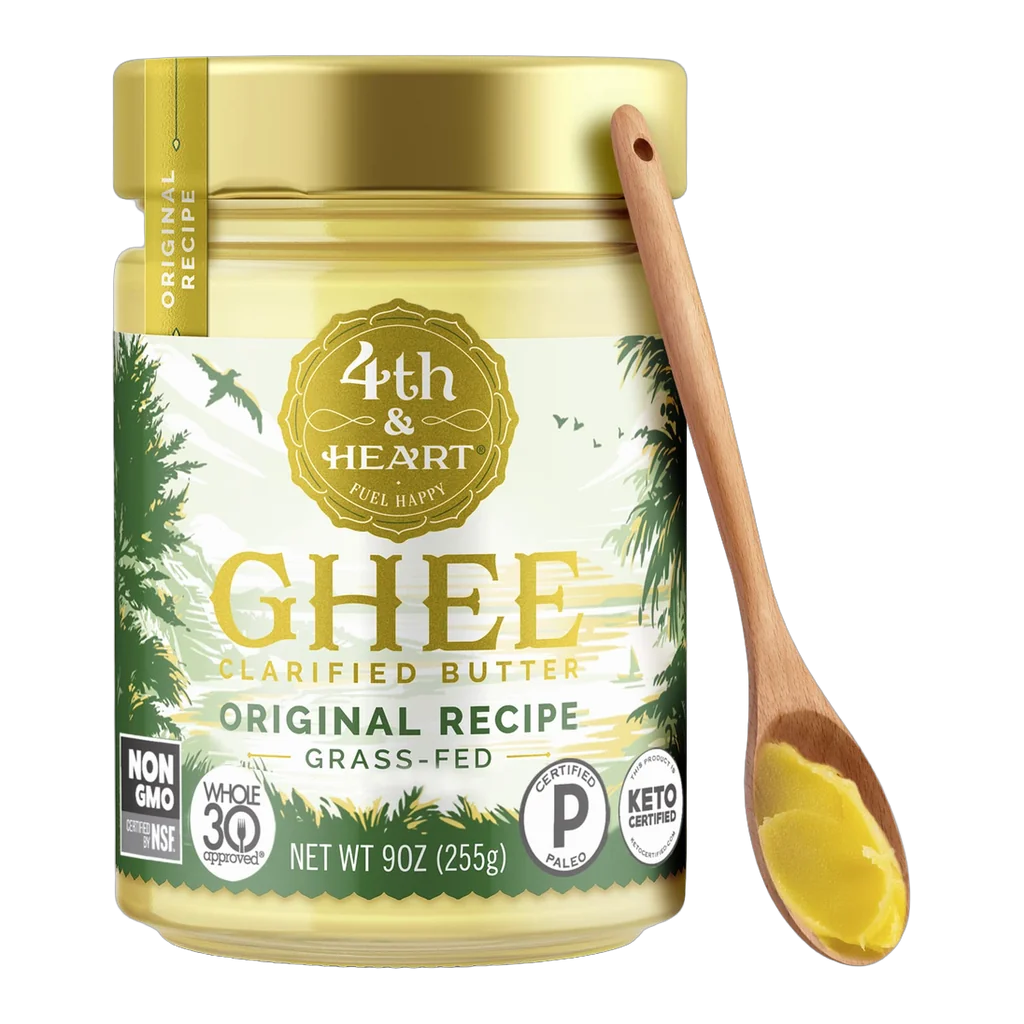
4th & Heart sources from grass fed, pasture raised cows in New Zealand and Australia. The ghee has that deep golden color and nutty, buttery flavor that you want. It’s lactose and casein free, keto friendly, Whole30 approved, and comes in sizes from 9 oz to 32 oz.
Pros: Grass fed sourcing, lactose and casein free, high smoke point for a dairy fat, excellent buttery flavor, multiple sizes.
Cons: Not suitable for dairy free diets (still contains milk fat), pricier than regular butter, flavor is prominent (not neutral).
Picked for: The ghee most stores carry.
Price: $9.01 for 9 oz.
Ancient Organics is the fancy ghee. I’ll just say that upfront. They source their milk from Straus Family Creamery up in Northern California, everything is organic and grass fed, and they make each batch by hand. The first time I tried it I noticed the difference immediately. Deeper aroma, richer color, and this almost caramelized sweetness that the bigger brands don’t have.
Ancient Organics Ghee
Premium Pick
High Heat
Smoke Point: ~450°F
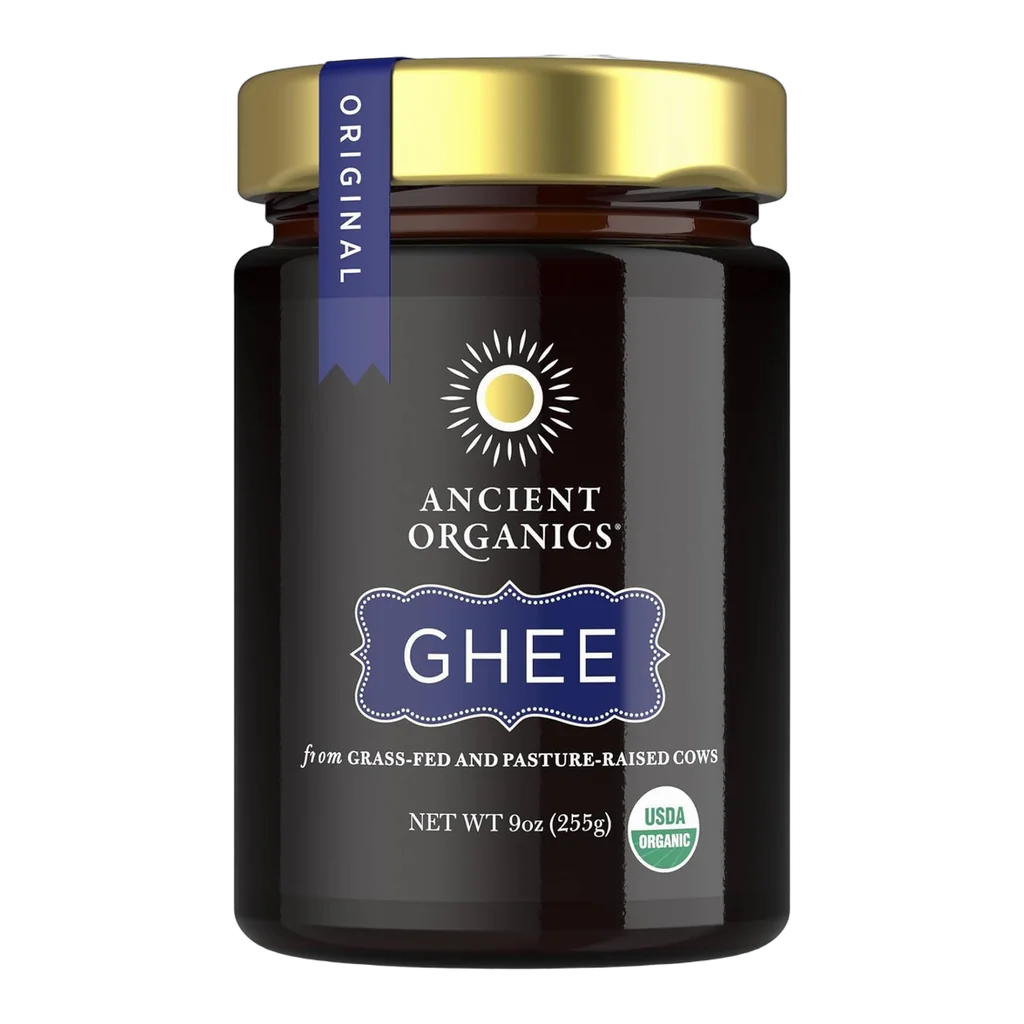
Is it worth double the price of 4th & Heart? Honestly, if you use ghee every day, probably yes. If you use it occasionally, 4th & Heart is plenty good. Both are leagues ahead of whatever clarified butter you’d get at a regular grocery store.
Pros: Organic, single source California dairy, exceptional flavor and aroma, small batch quality.
Cons: Significantly more expensive, harder to find in stores, small batch means occasional availability issues.
Picked for: Organic grass fed ghee from a small maker.
Price: $17.99 for 9 oz.
If you’ve tried ghee before and thought “too funky for me,” Bulletproof is the one to try next. It’s noticeably milder than the artisanal brands. Less of that pungent, nutty punch. More of a clean, buttery taste that stays in the background and lets your food do the talking. Sourced from grass fed, pasture raised cows in New Zealand.
This is the ghee I’d hand to someone who’s on the fence about ghee in general. It works in coffee (that’s how Bulletproof got famous), it works for eggs, it works for roasting vegetables. And because the flavor is so toned down compared to something like Ancient Organics, you can use it in dishes where you don’t necessarily want everything to taste like ghee.
Bulletproof Grass Fed Ghee
Most Neutral Flavor
High Heat
Smoke Point: ~450°F
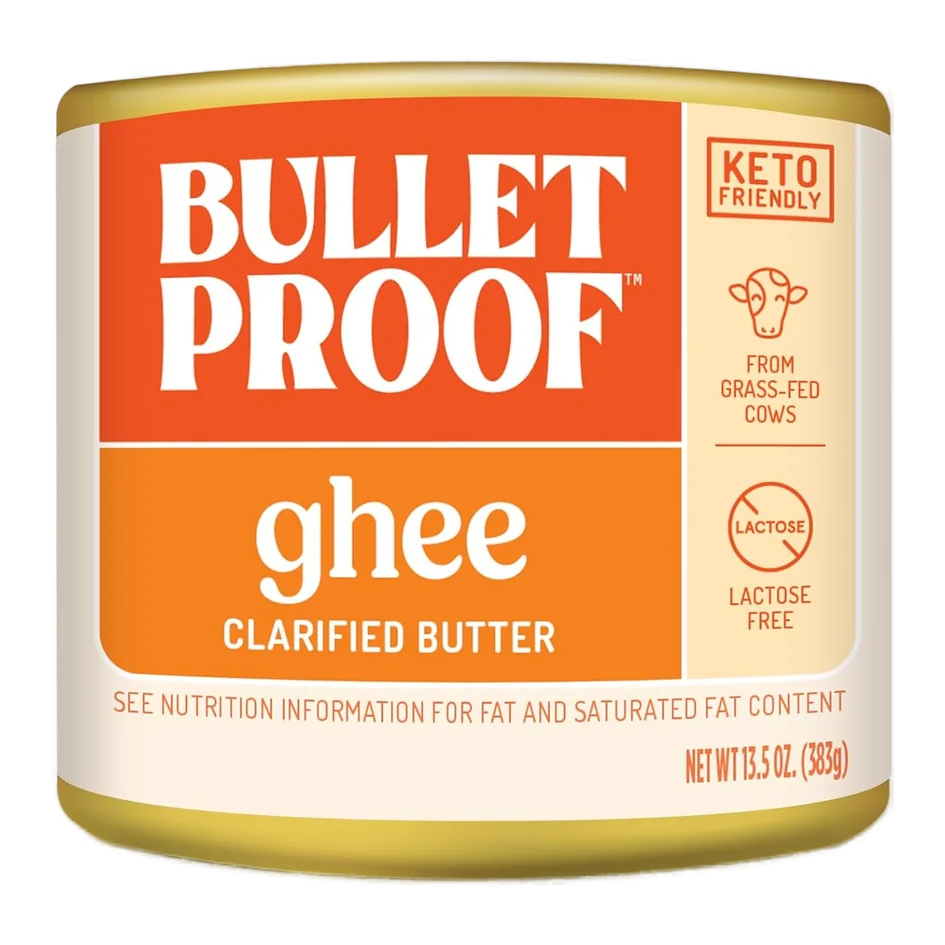
Pros: Mildest flavor of the three, clean grass fed sourcing from New Zealand, lactose and casein free, widely available, good size jar.
Cons: Less complex flavor than artisanal options (that’s either a pro or con depending on your palate), slightly pricier than 4th & Heart per ounce.
Picked for: Grass fed ghee in a bigger jar.
Price: $22.45 for 13.5 oz.
Butter (Yes, Regular Butter)
I know what you’re thinking. “Butter? In a cooking oil guide?” Yes. Butter is a cooking fat. It’s been one for a very long time. And if you’re ditching seed oils, real grass fed butter is one of the simplest swaps you can make. The smoke point is lower than ghee (around 350°F), so it’s not your high heat option. But for griddling, baking, finishing, and low to medium heat cooking, nothing tastes quite like butter. Nothing.
Westgold New Zealand Grass Fed Butter
Walmart Find
Medium Heat
Smoke Point: ~350°F
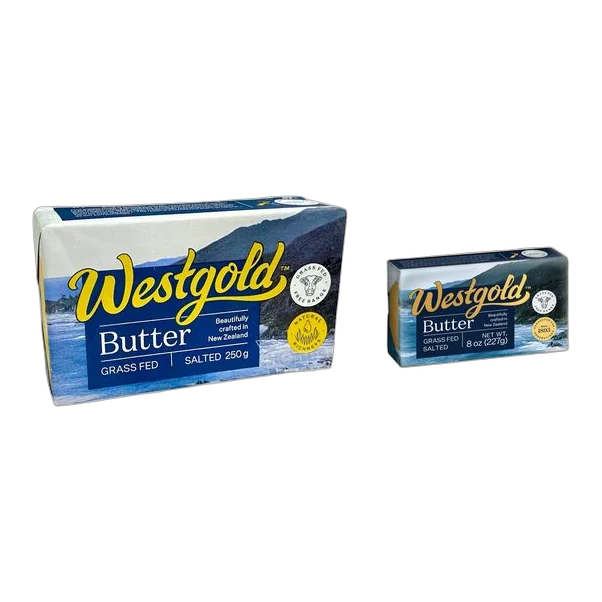
Westgold comes from New Zealand, where the cows are grass fed year round. Not “access to pasture” grass fed. Actual grass fed, 365 days a year, because the climate lets them do that. The butter has won multiple gold medals at the New Zealand Champion of Butter awards, which is apparently a real thing and I’m glad it exists. The color is that deep golden yellow that tells you the nutrition is actually there.
Here’s why Westgold made it ahead of the more famous option: you can grab it at Walmart. No specialty store trip, no Amazon order. Just walk into Walmart and pick up an 8 oz block. The flavor is clean, rich, and creamy with a slightly sweet finish. I started buying it because of the convenience and kept buying it because it’s genuinely delicious butter. It’s also 100% grass fed and usually cheaper than Kerrygold, which is hard to argue with.
Walmart tends to have the best price on Westgold, so that’s where I buy mine. Quick tip: if you catch a good deal, stock up and freeze the extra. Butter freezes beautifully and stays good for months. I’ll grab four or five blocks when the price is right, toss them in the freezer, and pull one out whenever the counter block runs low. Zero difference in taste or texture after thawing.
Pros: 100% grass fed year round, usually cheaper than Kerrygold, award winning quality, available at Walmart, freezes well for stocking up, great flavor and deep golden color.
Cons: Not available at all Walmart locations yet, low smoke point like all butter, 8 oz blocks go fast if you cook a lot.
Butter: Kerrygold has not been worth it to me lately. I go with other brands, like the Westgold above or Countryside Creamery Pure Irish from ALDI, and local grass fed butter when I can get it.
Beef Tallow
Tallow is having its moment and I’m here for it. Quick history lesson: your grandparents probably cooked with this stuff. Every kitchen in America had beef tallow until Crisco came along in 1911 and the seed oil industry spent decades telling everyone that factory made plant oils were better. (They weren’t.) Fun fact: McDonald’s fried everything in tallow until 1990. Ask anyone over 60 if the fries used to taste better. They’ll tell you.
Fatworks gets their beef from small family ranches and does everything in small batches. Grass fed makes a real difference here: you get more omega-3s and CLA compared to the cheap tallow from factory operations. I’ve tried both. Trust me, you can tell. They sell 14 oz jars and a 1 gallon bucket if you go all in.
The flavor tallow adds to food is insane. I’m not exaggerating. Fry some potatoes in tallow and compare them to potatoes fried in avocado oil. It’s not even close. There’s this beefy, savory richness that you simply cannot get from a neutral oil. My go to move: roast vegetables in tallow instead of olive oil. The result tastes like something from a restaurant and it takes zero extra effort.
The smoke point (375-400°F) is lower than avocado or algae oil, but plenty high for pan frying, searing, and roasting. I wouldn’t use it for deep frying at extremely high temps, but for everything else? It’s phenomenal.
Fatworks Grass Fed Beef Tallow
Best Grass Fed Tallow
Medium Heat
Smoke Point: ~375-400°F
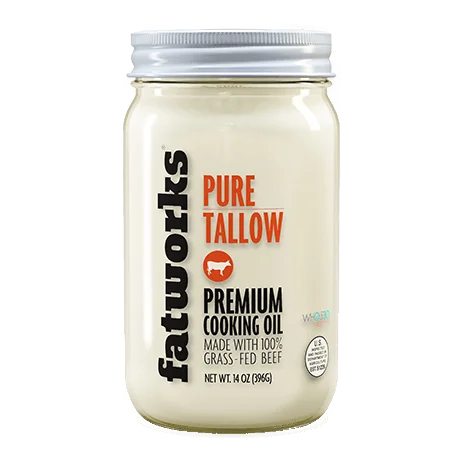
Pros: Grass fed small ranch sourcing, incredible flavor for frying and roasting, traditional fat with proven track record, good omega-3/CLA profile.
Cons: Beefy flavor isn’t appropriate for all dishes, solid at room temperature, premium pricing, not suitable for anyone avoiding beef.
Picked for: Grass fed tallow from the same company as my leaf lard.
Price: No price showed on Amazon when I looked on September 26.
South Chicago Packing Wagyu Beef Tallow
Best Value Tallow
High Heat
Smoke Point: ~400°F
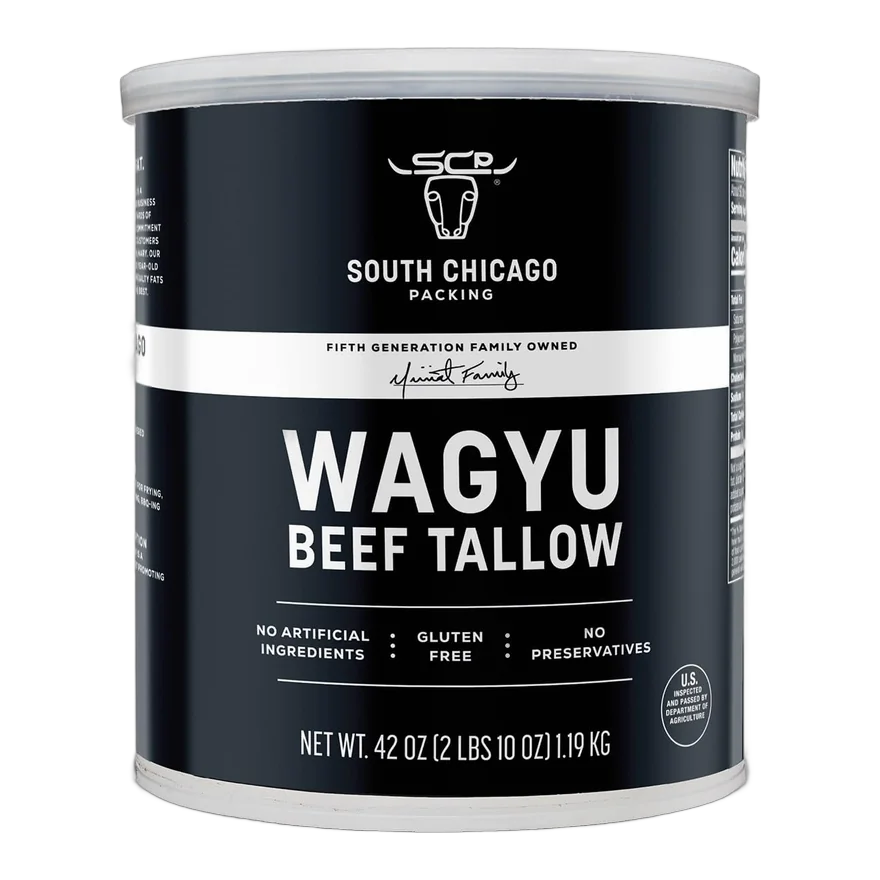
If you want a big tub of quality tallow at a better per ounce price, South Chicago Packing is the move. Their 42 oz Wagyu tallow is rendered from premium beef and the family has been in the packing business for five generations. The Wagyu designation means the fat has a slightly richer, more buttery quality than standard beef tallow.
This is what I recommend if you want to start experimenting with tallow but don’t want to spend Fatworks prices while you figure out if you like it. Spoiler: you probably will.
Pros: Great value for the size, Wagyu quality, established family operation, 42 oz lasts a long time.
Cons: Not grass fed (Wagyu cattle are typically grain finished), large size is a commitment if you’re just trying tallow for the first time.
Purchase signal: Twice, in 2023 and again in 2025.
Price: $29.69 for 42 oz on September 26.
Duck Fat
Duck fat is the luxury pick on this list. It’s not something you’ll use every day (unless you’re running a French restaurant), but for specific applications it’s absolutely unbeatable. Roasted potatoes in duck fat? There’s a reason the French figured this out centuries ago. If you really want to go next level, look up the par fry method. You fry your potatoes in duck fat once at a lower temperature, pull them out and let them cool completely (some people refrigerate them for an hour or even overnight), then fry again at high heat. That double cook technique is how you get fries that are shatteringly crispy on the outside and creamy on the inside. Once you try it, regular fries will never hit the same.
Epic Duck Fat
Best for Roasting
Medium Heat
Smoke Point: ~375°F
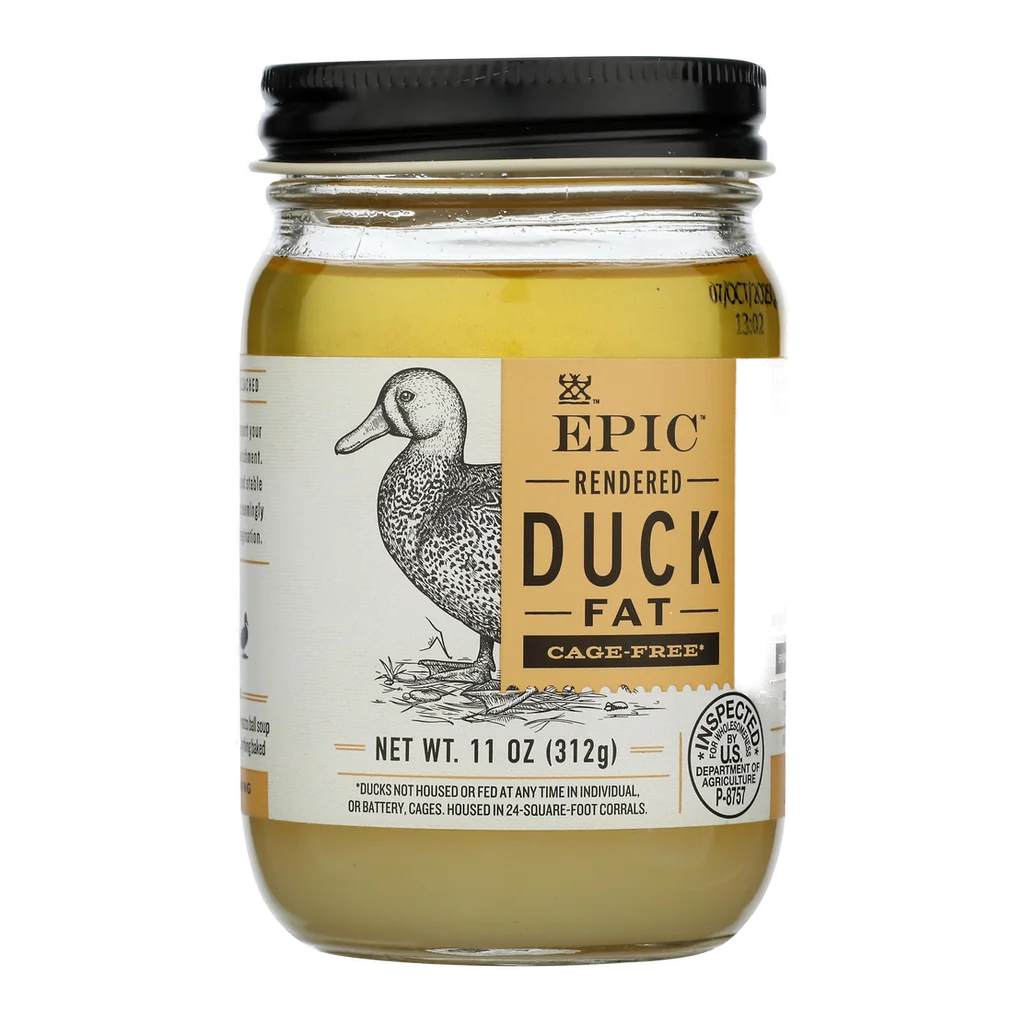
Epic makes a clean, simply rendered duck fat in 11 oz jars. Nothing added, just duck fat. It’s Whole30 approved and works beautifully for roasting vegetables, searing poultry, frying potatoes, or adding depth to soups and stews. The flavor is rich and savory without being overpowering. More subtle than tallow, more interesting than a neutral oil.
Most weekends I’ll pull the jar out and use it for something special. Last Sunday it was fingerling potatoes, halved, tossed in duck fat, 425°F for about 35 minutes. Crispy shell, creamy inside, ridiculous flavor. It’s honestly one of the easiest ways to make food that impresses people, and all you did was swap out the oil.
Pros: Exceptional flavor for roasting and searing, Whole30 approved, nothing artificial added, brings restaurant quality results.
Cons: Expensive per ounce, not for everyday use (flavor is distinctive), lower smoke point than other options, 11 oz goes fast.
Purchase signal: Duck fat is a favorite of mine. This brand is not in my Amazon history.
Price: No price showed on Amazon when I looked on September 26.
Schmaltz (Rendered Chicken Fat)
Schmaltz. Fancy word for rendered chicken fat. You take the fat off a chicken, melt it down low and slow, strain out the crispy bits (those are called gribenes, and yes, they’re edible and delicious), and you’ve got this savory, golden cooking fat. It’s a huge deal in Jewish cooking: matzo ball soup, latkes, chopped liver. Eastern European grandmas have been reaching for this stuff for centuries. Ever roasted a whole chicken and noticed how that rendered fat at the bottom of the pan makes anything it touches taste unbelievable? That’s schmaltz doing its thing.
I use schmaltz when I’m making soups (especially chicken soup, obviously), roasting root vegetables, or frying eggs when I want something different from butter or ghee. It’s also traditional for making latkes and matzo balls, so if you’re into Jewish comfort food, this is a must have. The 7.5 oz jar goes a long way because you only need a tablespoon or two at a time.
Fatworks Organic Chicken Fat (Schmaltz)
Best Chicken Schmaltz
Medium Heat
Smoke Point: ~375°F
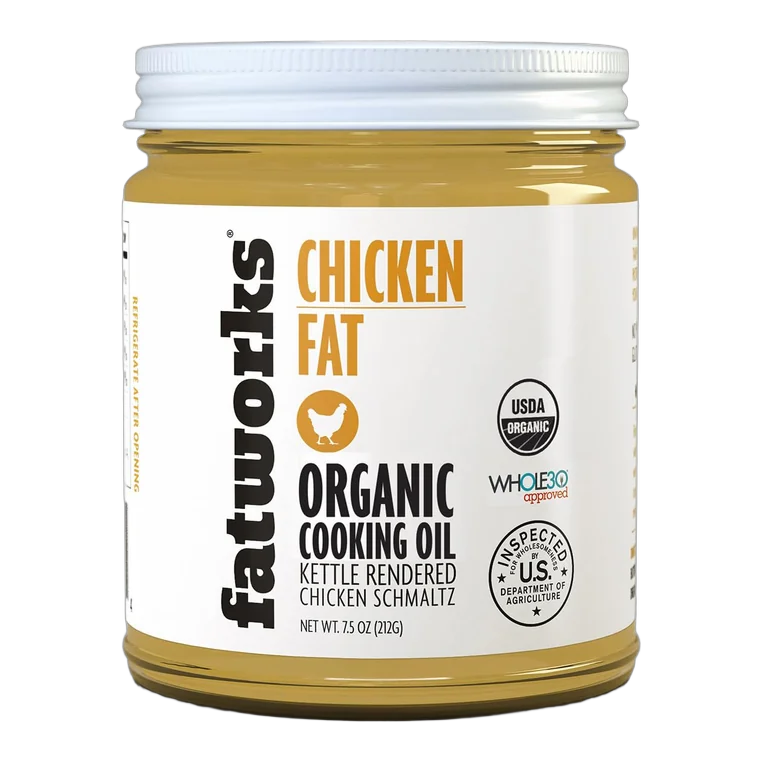
Fatworks makes their schmaltz from USDA organic, free range chickens. Kettle rendered in small batches, no added ingredients, Whole30 approved. The flavor is clean chicken richness without being greasy or heavy. A spoonful in a pan of vegetables transforms them. Seriously. Sauted onions in schmaltz might be one of the most underrated things you can do in a kitchen.
Pros: USDA organic, free range sourcing, incredible savory depth for soups and roasting, Whole30 approved, traditional fat with centuries of culinary history.
Cons: Distinct chicken flavor limits versatility (don’t use it in baking), small jars for the price, niche product that’s not in most grocery stores.
Picked for: Chicken fat, for the schmaltz recipes.
Price: No price showed on Amazon when I looked.
Lard (Rendered Pork Fat)
Lard got absolutely destroyed by marketing in the 20th century. Crisco literally ran campaigns telling housewives that hydrogenated vegetable shortening was “cleaner” than the rendered pork fat grandma used. Fast forward to now: Crisco is partially hydrogenated seed oil. Lard from pasture raised pigs? Mostly monounsaturated fat, same type that olive oil gets praised for. The flavor is milder than you’d think (way less intense than tallow), the smoke point sits around 370°F, and it makes pie crusts and biscuits that are honestly unfair to other fats. One big warning though: most grocery store lard is hydrogenated. That defeats the whole purpose. Get pasture raised, non hydrogenated, or skip it entirely.
Fatworks Premium Pasture Raised Lard
Best Pasture Raised Lard
Medium Heat
Smoke Point: ~370°F
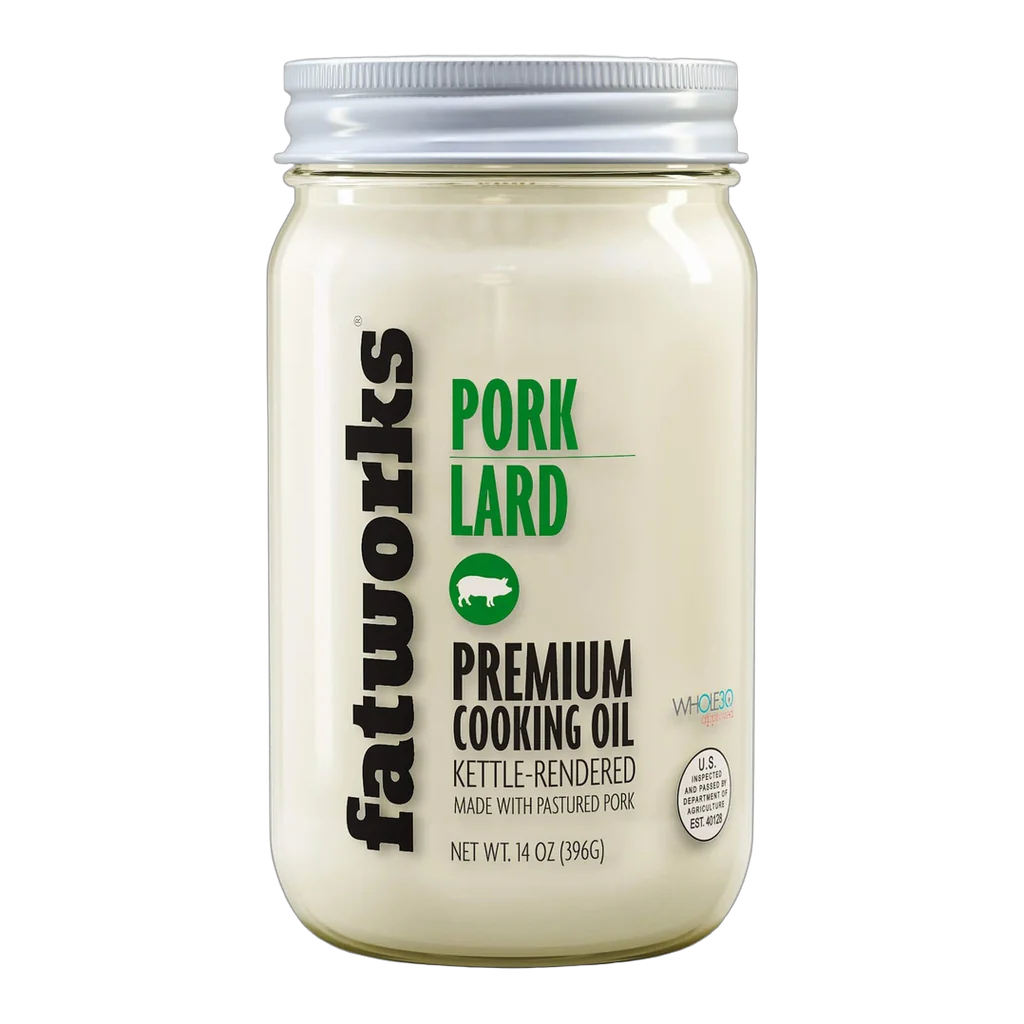
Fatworks sources from pasture raised pigs on small family farms in the US. No hormones, no antibiotics, no preservatives, no hydrogenation. Just pork fat, rendered in small batches. The flavor is clean and mild. Not porky, not funky. If you didn’t know what you were eating, you might not even guess it’s an animal fat.
Pros: Pasture raised US sourcing, non hydrogenated, neutral flavor, incredible for baking and frying, Whole30 approved, affordable per ounce.
Where lard really shines is baking. If you’ve never made a pie crust with lard, you’re missing out on one of the best kitchen tricks that ever existed. The fat creates these tiny pockets of steam when it melts in the oven, and you end up with layers of flaky pastry that butter alone can’t touch. It’s also great for frying. Fried chicken in lard has that old school crunch that fast food restaurants lost when they switched to seed oils decades ago.
Cons: Lower smoke point than tallow or avocado oil, solid at room temperature, some people have a mental block about cooking with lard (their loss).
Picked for: Plain lard, the everyday frying kind.
Price: No price showed on Amazon when I looked.
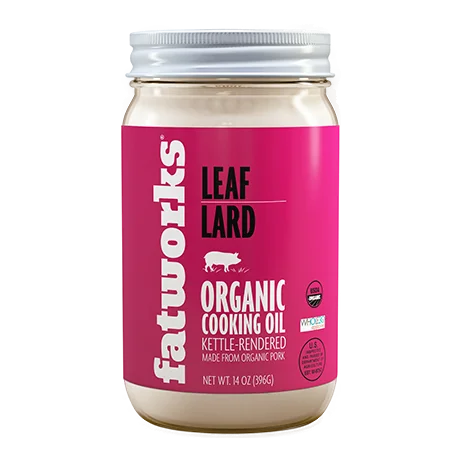
Fatworks Pasture Raised Leaf Lard (Baker’s Lard)
Best for Baking
Medium Heat
Smoke Point: ~370°F
Leaf lard is lard that comes from the fat around the kidneys of the pig. It’s the purest, mildest, most flavorless lard you can get. Bakers have known about this for generations. If you’re making pie crusts, biscuits, tamales, or pastries and you want that insane flakiness without any pork flavor whatsoever, this is the move. Fatworks renders it in small batches from pasture raised pigs, same quality standards as their regular lard.
Pros: The mildest, purest lard available, specifically designed for baking, creates unbeatable flaky pastry, no pork flavor.
Cons: Pricier than regular lard, only worth it if you bake regularly, hard to find outside of specialty retailers.
Purchase signal: Once, in 2022.
Price: $34.99 for 14 oz.
What Oil for What? My Picks by Cooking Method
Knowing which oils exist is only half the battle. The real question is which fat to reach for when you’re standing at the stove with a pan heating up. Here’s how I match oil to task, plus the reasoning behind each pick.
Sauteing & Stir Frying
Quick cooking vegetables, meats, and aromatics at medium to high heat. You need something that won’t break down or smoke out the kitchen while you’re tossing things around the pan.
Algae Oil ultra high heat, neutral 535°F
Avocado Oil versatile & stable 480°F
Macadamia Oil low omega-6, nutty finish 410°F
My go to: Algae oil for high heat stir fry, macadamia oil when I want a subtle nutty note, olive oil for a gentler saute where I want flavor.
Roasting
Coating root vegetables, potatoes, or meats before they hit a hot oven. The fat needs to handle sustained heat and help create that crispy, caramelized exterior.
Beef Tallow incredible savory depth 400°F
My go to: Tallow for potatoes and root veggies (restaurant level results), olive oil for lighter roasted vegetables.
Baking
Replacing butter or seed oils in cakes, muffins, and quick breads. You want moisture and richness without a competing flavor (unless you want that coconut taste).
Olive Oil moist crumb, mild batches
Avocado Oil neutral, disappears
Coconut Oil great for tropical bakes
My go to: Ghee for anything where I’d normally use butter. Coconut oil for banana bread type recipes.
Pan Frying
Chicken breasts, fish fillets, pork chops. Less oil than deep frying but you still need something that can handle direct contact heat and deliver a golden crust.
Olive Oil + Butter classic French combo
Beef Tallow steakhouse level crust 400°F
Light Coconut Oil neutral, solid crust 400°F
My go to: Duck fat for chicken (the skin gets unreal). Olive oil + a pat of butter for fish.
Griddling
Pancakes, french toast, grilled cheese. Low to medium heat where you want a crispy, golden exterior without any oil flavor stealing the show.
Ghee buttery + higher heat 450°F
My go to: Ghee. All the butter flavor, none of the burnt bits in the pan.
Marinades & Sauces
The base that carries herbs, spices, garlic, and citrus into your meat or vegetables. Flavor matters here because you’re eating it directly, not just cooking with it.
My go to: Kasandrinos EVOO. The peppery kick plays perfectly with garlic and lemon marinades.
Seasoning Cast Iron
Building that non-stick polymerized coating on cast iron pans and griddles. You need an oil that bonds well to the metal at high oven temps without getting gummy.
Algae Oil highest heat tolerance 535°F
My go to: Avocado oil. Thin coat, 450°F oven for an hour, repeat twice. Bulletproof seasoning.
Drizzling & Finishing
That final touch over steamed vegetables, pasta, or salads. No heat involved, so flavor and quality are everything. This is where your fancy oil earns its keep.
Avocado Oil neutral, silky texture
My go to: Kasandrinos EVOO drizzled over literally everything. Hummus, soups, grilled veggies, fresh bread.
Mayonnaise & Aioli
Emulsifying cold sauces where the oil flavor comes through loud and clear. Whatever you use, you’re going to taste it, so pick wisely.
Avocado Oil neutral, clean taste
My go to: Avocado oil for a neutral mayo base, EVOO when I want a Mediterranean style aioli with some bite.
My Kitchen Setup (What I Actually Keep on the Counter)
The Three Bottle System
I’ve tried a lot of combinations. This is the one that stuck.
Bottle 1: Thrive Algae Oil sits right next to the stove. Anything high heat goes through this bottle. Searing, stir frying, grilling. Replaced avocado oil for me about a year ago and I’m not going back.
Bottle 2: Kasandrinos Olive Oil also lives on the counter. Salad dressings, drizzling over hummus, sauting at medium heat, finishing dishes. If I want flavor and polyphenols, this is what I grab.
Bottle 3: 4th & Heart Ghee goes in the fridge. Morning eggs, basting steaks, mushrooms in ghee (try it), and any time I want that buttery richness without the milk solids.
Tallow and duck fat stay in the fridge for weekend projects. A jar of refined coconut oil handles stovetop popcorn duty. That’s the whole setup. Zero canola. Zero soybean. Zero sunflower. Done.
The Buyer’s Guide: What to Look For
Red Flags
- “Vegetable oil blend” on any label, even “premium” brands. This almost always means seed oils.
- Avocado oil under $8 for 16 oz. At that price point, it’s almost certainly adulterated. Real avocado oil costs more to produce.
- “Light” olive oil. This is refined olive oil with minimal nutrients. It’s not fake, but it’s not giving you the polyphenol benefits of EVOO either.
- Tallow or lard that lists “hydrogenated” on the ingredient label. Walk away.
- Coconut oil processed with hexane or other chemical solvents. Look for “expeller pressed” or “cold pressed” instead.
Green Flags
- Third party testing with published results. If a brand won’t show you their test results, ask yourself why.
- Single source or single estate origin. Blended oils from multiple countries are harder to verify for purity.
- Grass fed or pasture raised sourcing on animal fats. The nutrient profile is genuinely different.
- Organic certification on plant oils. Not a guarantee of quality, but it eliminates one variable.
- Dark glass bottles for olive oil and avocado oil. Light degrades these oils. Clear plastic is a bad sign.
For a deeper look at which oils are seed oils and which ones aren’t, check our full guide: What Are Seed Oils? A No Nonsense Explainer.
Frequently Asked Questions
The oil itself? Yes. Legitimately good. Lots of monounsaturated fat, decent smoke point, some research suggesting anti inflammatory effects. The problem has nothing to do with avocado oil as a food. The problem is that most bottles at the store aren’t really avocado oil. Buy from a brand like Chosen Foods that has lab results to prove it, and you’re golden. Buy the cheapest bottle on the shelf and you might be pouring soybean oil into your pan.
There’s no single answer here. If you want the oil with the most research behind it and the best polyphenol numbers, olive oil wins that fight all day. If you need something that can handle insane heat without flinching, algae oil. If you want a fat that humans have been thriving on for centuries, ghee or tallow. Personally, I stopped trying to find “the one” and just keep a rotation. Different meals call for different fats.
Ah, the saturated fat debate. This one never ends. Yes, coconut oil is loaded with saturated fat. Mostly lauric acid, which some researchers argue acts differently in the body than other saturated fats. The American Heart Association says limit it. But then you look at populations like Pacific Islanders who eat coconut at every meal and don’t have the heart disease rates the AHA would predict. So who’s right? I honestly don’t know. I use coconut oil a few times a week for popcorn and the occasional baking recipe. It’s not my main cooking fat, but I’m not losing sleep over it.
You can, but with limits. Oils degrade every time you heat them. If you’re deep frying, you can strain and reuse tallow or refined coconut oil maybe two or three times before it starts breaking down noticeably. Never reuse oil that smells off or has darkened significantly. And never, ever reuse oil that hit its smoke point. At that point, you’ve already damaged the fat and reusing it just makes it worse.
Short answer: seed oils are dirt cheap because they’re industrial byproducts. Soybean oil costs pennies per ounce to crank out at factory scale. But an avocado? An olive? A grass fed cow? Those cost real money to raise and process. Smaller batches, better sourcing, actual quality control. It adds up. The sticker shock wears off after a month or two, though. Most people realize they’re using less oil than before once they actually pay attention to what they’re pouring.
You need high smoke point and stability here. Algae oil handles deep frying like a champ at 485-535°F, but it’s pricey to use that much of it. Refined avocado oil at 480°F is another solid pick. Honestly though? Beef tallow might be the best deep frying fat there is. The flavor it adds is unreal. McDonald’s used to fry everything in tallow. That’s the real reason those old school fries tasted so much better. We did a full deep dive on the healthiest oils for frying if you want the complete breakdown.
Already overhauled your cooking oils and fats? Make sure your pans aren’t undoing the work. If you’re still cooking on scratched up nonstick, all those clean oils are hitting a PFAS coated surface. We broke down the best non-toxic cookware so you can match your pans to your oils. And if you’re serious about cleaning up your kitchen, don’t forget what comes out of the faucet. Check out the best water filters for your home.
Next up: your snack shelf. Check our full roundup: Best Seed Oil Free Snacks in 2026.
And if you want to see the full list of foods hiding seed oils (some of them will surprise you), check out Foods With Seed Oils to Avoid.
Your condiment shelf probably needs attention too: Best Seed Oil Free Condiments. For a closer look at tallow and lard (two of my favorite cooking fats), we have a head to head comparison: Tallow vs Lard. And if you want the full science on which oils actually protect your heart, that’s here: Heart Healthy Cooking Oil.
Related reading: Best Seed Oil Free Condiments · Foods With Seed Oils to Avoid · What Are Seed Oils? · Best Seed Oil Free Snacks · Tallow vs Lard · Heart Healthy Cooking Oil · Non-Toxic Cookware · Best Water Filters · Healthiest Oils for Frying · Is There a Healthy Vegetable Oil? · Why I Avoid Seed Oils · Eating Out Without Seed Oils