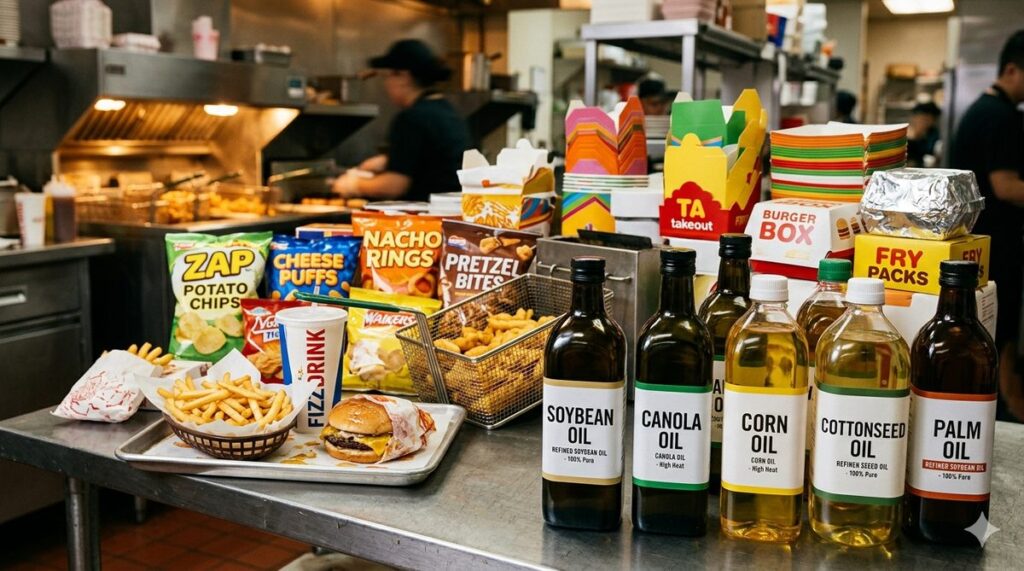
Why certain vegetable oils dominate your food supply, what they actually do to your body, and what to swap them for
In This Article
I spent the first thirty years of my life cooking with whatever oil was cheapest at the grocery store. Olive oil was for salads if I felt fancy. Everything else was vegetable oil from a plastic bottle, bought without a second thought. Fried the chicken in it. Baked cookies with it. Sautéed vegetables in it.
The thing that got me to look harder was Dave Asprey. I started watching his stuff after a friend kept sending me clips. The before-and-after pictures of his face are real. Red, puffy, swollen-looking on the before side. He talks openly about how chronically inflamed he was for years. Pulled the seed oils out, dialed up the omega-3s, and his whole face changed. The puffiness left. The redness calmed down. Same person, different physiology.
I started seeing my own version of that in the mirror once I knew what to look for. The faint puffiness in my face in the morning that I’d been writing off as “just getting older.” A low grade hum of inflammation I’d stopped really noticing because it had been my baseline for so long. Then I started flipping over packages in my pantry. Crackers, bread, frozen pizza, that bag of trail mix I thought was “healthy.” Every single one had soybean oil or canola oil or some variation of vegetable oil buried in the ingredients. I checked the fridge. Same thing. Mayo, salad dressing, even the hummus. It was everywhere, and I’d never once noticed.
Turns out nobody really picks their own cooking oil. The food industry picked it for us decades ago, based entirely on what was cheapest to grow and process at industrial scale.
So I put together this reference. Which seed oils deserve your attention, what the actual science says (spoiler: it’s more complicated than social media wants you to believe), and what alternatives actually hold up when you look at the data. There’s a personal section toward the end where I get into what the inflammation thing felt like for me and how long it actually took to clear out. Not as fast as I expected. Worth the wait.
The Complete Seed Oil Reference Table
First thing to get straight: these oils are not all the same. Lumping them together into one “avoid” bucket is lazy, and I see that mistake constantly in the wellness space. Some of these are dramatically worse than others, and the reasons come down to specific numbers, not vibes.
I put together this table showing the major seed oils in commercial food production, broken down by the metrics that actually tell you something useful:
| Oil | PUFA % | Omega-6:3 Ratio | Main Concern | Verdict |
|---|---|---|---|---|
| Soybean Oil | 57.9% | 8:1 | Extreme omega-6 overload, highest consumption volume | Avoid actively |
| Corn Oil | 54.7% | 50:1 | Ultra high omega-6, unstable at heat | Avoid actively |
| Sunflower Oil | 65.7% | 60:1 | Highest PUFA content, extreme oxidative stress | Avoid actively |
| Safflower Oil | 77.6% | 77:1 | Nearly all polyunsaturated fat, worst ratio | Avoid actively |
| Cottonseed Oil | 52% | High omega-6 | PUFA content plus pesticide residues | Avoid actively |
| Canola Oil | 29.6% | 2:1 | Lower PUFA and better ratio, but still refined | Context dependent |
| Rice Bran Oil | 35.6% | 20:1 | Moderate PUFA, less common but still problematic | Context dependent |
| Grapeseed Oil | 65.6% | High omega-6 | Marketing as “healthy” despite high PUFA | Context dependent |
What you’re looking at: The higher the PUFA percentage, the more the oil breaks down when heated. The wider the omega-6 to omega-3 ratio, the more it throws your immune system out of balance. Soybean oil is the villain in this story not because it’s uniquely evil, but because Americans consume it by the metric ton.
Why These Oils Are a Problem
The Omega-6 Problem
Both omega-6 and omega-3 are things your body needs. That’s not in dispute. The argument is about ratios, not whether to eat fat.
Look at what humans ate for most of recorded history and the ratio of omega-6 to omega-3 in the diet sat somewhere around 4:1. Pretty close to balanced. The average American today is closer to 20:1, and I’ve seen population estimates putting heavier consumers around 50:1. Nobody made a conscious decision to flip that ratio. It happened because soybean oil quietly took over the food supply over the last six or seven decades, and soybean oil is more or less pure omega-6.
The ratio matters because omega-6 and omega-3 fight for the same metabolic enzymes. Whichever one shows up in larger quantities wins. Too much omega-6 pushes your body into a low key inflammatory state. Not the kind that makes you feel sick today. The kind that quietly compounds, and twenty years later your joints hurt, your skin acts up, your bloodwork looks weird, and your doctor shrugs and prescribes something.
The Heat Stability Problem
Quick aside, because the chemistry actually matters here. Polyunsaturated fats (PUFAs) have multiple double bonds along their carbon chains. Double bonds are reactive sites. They’re where heat and oxygen attack. So a fat with lots of double bonds is a fat that wants to fall apart. Seed oils are predominantly PUFAs, which means they’re predominantly fragile.
Heat up linoleic acid (the main omega-6 in seed oils) and it produces a list of breakdown products you don’t want in your food. The one that gets cited the most is 4-HNE, a reactive aldehyde that activates the NF-kB inflammatory pathway when your cells encounter it. Translation: your body reads it as damage and turns on inflammation in response. This happens every time you cook with seed oil at any kind of temperature. It’s not a one off event.
The smoke point thing is the part that always gets me. Corn oil and sunflower oil are marketed as great for high heat because they have high smoke points. Restaurants use them for exactly this reason. But the smoke point is a misleading metric. You can heat these oils to 400 degrees without seeing visible smoke, and the oil is still oxidizing the entire time. Just because you can’t see the damage doesn’t mean it isn’t happening.
The Processing Problem
Most seed oils get extracted with hexane. It’s a petroleum solvent. The wellness internet loves to make a big deal of this, and I get the instinct, but if I’m being honest with you, the residue in the final product is minimal. Refining is actually decent at removing it. Hexane alone isn’t the gotcha some people make it out to be.
The thing worth thinking about is why hexane is needed at all. Olives and coconuts are loaded with oil that comes out under mechanical pressing. Seeds aren’t. To pull oil out of soybeans or corn or sunflower seeds at industrial volume, you basically need chemistry. That alone tells you something about whether seeds were ever meant to be a major dietary fat source.
After extraction, the oil gets refined, bleached, and deodorized. That sounds clinical because it is. The point is to strip out the color, smell, and flavor so the oil can sit on a shelf for two years without going off and so it doesn’t add taste to whatever it’s used in. The side effect: any antioxidants that were originally in the oil to protect it get stripped out too. So you wind up with a shelf stable, neutral, cheap liquid that’s also chemically defenseless against heat.
The Volume Problem
The argument I keep hearing is that a little canola oil on a salad isn’t going to hurt anyone. And that’s true. The problem is that nobody’s consuming seed oils a teaspoon at a time. They’re consuming them invisibly, by the pound, hidden inside the products they buy at the grocery store every week.
The US goes through something like 12 million metric tons of soybean oil per year. That’s not salad dressing volume. That’s industrial. It’s in the bread, the crackers, the salad dressing, the mayo, the chips, the frozen meals, the restaurant fries, the fast food. The exposure compounds across hundreds of small daily decisions you didn’t even know you were making.
The Honest Nuance Section
Before I go further, I need to address the counterargument because it exists and it’s not stupid.
A 2025 study found that higher linoleic acid intake was associated with a 15% reduction in heart disease risk. That’s real data. The narrative that seed oils are killing everyone doesn’t match the statistics. So what gives?
Two things. First, correlation doesn’t map cleanly onto this question. People who consume more linoleic acid might also be younger, wealthier, and eating more whole foods overall. You can’t isolate one nutrient and draw conclusions. Second, the Dietary Guidelines still recommend replacing saturated fat with plant oils. That’s official advice. It’s not obviously wrong, and the evidence isn’t as cut and dry as either side pretends.
Here’s the actual nuance:
Not all seed oils are equally bad. Canola oil at a 2:1 omega-6 ratio is fundamentally different from corn oil at 50:1. It’s refined and processed, yes. But it’s not in the same category as safflower oil. Context matters.
High oleic varieties are legitimately different. Plant breeders have developed high oleic sunflower and safflower oil. These have much lower PUFA content. If you’re going to use a seed oil, these are the ones that make sense. They’re not hard to find if you look.
Cold pressed is not the same as refined. A cold pressed sunflower oil still has all the PUFA. But it retains antioxidants that slow oxidation. It’s still higher PUFA than I’d want to cook with routinely, but it’s not the same as the refined stuff.
Usage context matters enormously. A drizzle of sunflower oil on a finished salad is not the same as deep frying chicken in it. One happens once. The other happens to a lot of food at high heat. The oxidation stress is completely different.
You can’t avoid all seed oil exposure. Bread contains it. Deli meat is wrapped in it. You eat out and have zero control. The goal isn’t perfection. It’s reducing the load from the places you can actually control.
Where Seed Oils Are Hiding
This is the part that made me realize how deep this goes. Seed oils aren’t just in obvious places. They’re in foods that are explicitly marketed as healthy alternatives.
- Fast food: Every major chain fries in soybean or canola oil. Chicken nuggets, fries, fried fish, hash browns. Same oil for everything.
- Packaged snacks: Chips, crackers, granola bars, trail mix. Usually coated or baked with vegetable oil. Even the “no added sugar” ones. We did an in depth review of seed oil free snacks if you want clean alternatives.
- Bread: Commercial bread from the supermarket almost always contains soybean oil or canola. Rolls, buns, sandwich bread. Check the label.
- Condiments: Mayo is almost entirely seed oil. Salad dressings use it. Pesto has it. Hummus has it. We did an in depth review of seed oil free condiments with brand by brand picks.
- Frozen meals: Every frozen pizza, frozen entrée, frozen vegetable mix has seed oil. Often multiple types.
- “Health food” section: Vegan baked goods use it. Plant based meat replacements are fried in it. Protein bars are loaded with it.
- Restaurant food: Not just fast food. Even upscale restaurants use seed oil for sautéing unless specifically labeled otherwise. The salad dressing is probably 80% soybean oil.
The label tricks matter here. “Vegetable oil” on an ingredient list just means whatever was cheapest to buy that day. Could be soybean, could be canola. The label doesn’t specify. Some manufacturers use “and/or” labeling, which means they switch oils between batches depending on commodity prices. You have no idea what you’re actually getting.
And the big one: olive oil blended with vegetable oil. You’ll see it labeled as “olive oil blend” or sometimes just “olive oil” even though it’s 30-50% soybean oil. The olive oil is just there for flavor and marketing.
For more specifics on which products are actually loaded with seed oils, check out this article on specific foods to avoid. And if you’re looking for seed oil-free snacks and seed oil-free condiments, those have actual product recommendations.
What to Use Instead
Okay, so you want to actually change this. Here’s what works, organized by use case:
| Use Case | Best Options | Why |
|---|---|---|
| High heat cooking (frying, searing) | Tallow, avocado oil, algae oil | Saturated fat doesn’t oxidize. Algae oil has high smoke point and is stable. These are designed for heat. |
| Medium heat cooking (sautéing, roasting) | Extra virgin olive oil, coconut oil, ghee, butter | EVOO has antioxidants that protect it. Butter and ghee have minimal PUFA. Coconut is mostly saturated. |
| Dressings and cold uses | Extra virgin olive oil, avocado oil | Both have great flavor and don’t need to withstand heat. No oxidation stress. |
| Baking (cookies, pastries) | Butter, lard, coconut oil | Butter gives flavor. Lard makes better pastry than any alternative. Coconut is neutral. |
Here’s what actually lives in my kitchen: butter goes in the pan for 80% of my cooking. Tallow handles anything that needs to get seriously hot, like chicken tenders, homemade french fries, cutlets, and pretty much anything else, because it’s beef fat and it genuinely does not care how high you crank the burner. Pro tip: try a par fry on the french fries, they come out extra crispy and tasty. EVOO goes on finished dishes, salads, and anything where I want that grassy olive flavor. Avocado oil comes out when I need a neutral option that won’t add its own taste. I also use avocado oil to season my cast iron pans, skillets, and dutch ovens.
People assume this approach is expensive. It’s really not, at least not noticeably so. A pound of tallow runs less than a decent bottle of olive oil. Butter costs maybe a dollar more per week than the canola you were buying. The only real expense is breaking the mindless habit of grabbing whatever plastic jug is on sale.
For deeper information on alternatives, this guide breaks down the best seed oil free cooking oils in detail, this one covers the healthiest oils specifically for frying, and this one compares tallow and lard specifically if you want to go full nose to tail.
Product Recommendations
California Olive Ranch Extra Virgin Olive Oil (100% California)
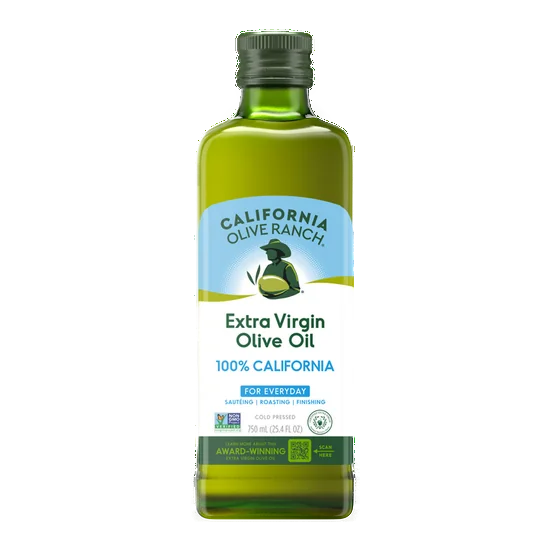
My go to for any dish that doesn’t involve a hot pan. Salads, drizzling over roasted vegetables, dipping bread. This one actually tastes like real olives, which is rarer than you’d think with EVOO. A little goes a long way because the flavor is concentrated, so the higher price per bottle doesn’t sting as much. Important: make sure you grab the 100% California bottle, not the “Destination Series” or global blend. The blends mix in imported oils from Argentina, Chile, or Portugal, and the quality control just isn’t the same. The California only version is single origin, traceable, and consistently fresher.
While We’re on the Topic: Georgia Olive Farms EVOO
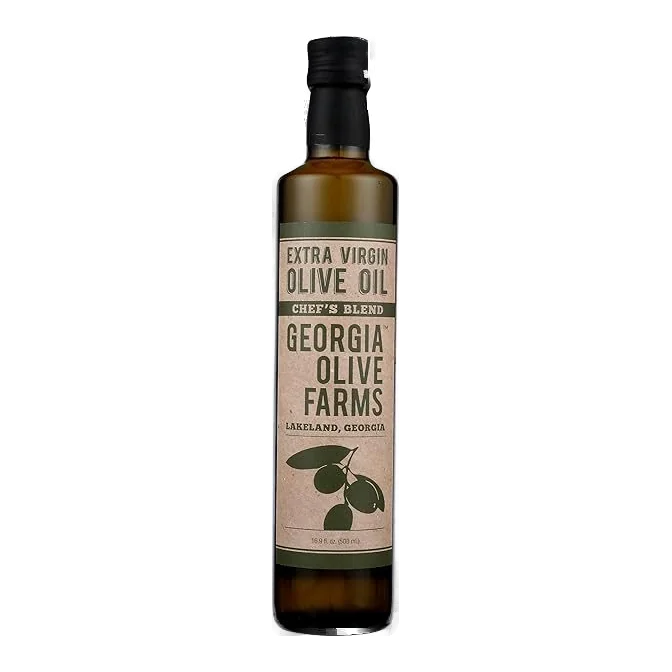
This is not a frying oil. This is a “pour it on a salad or take a teaspoon straight for your health” kind of olive oil. Georgia Olive Farms harvests yearly and you can taste the difference immediately. There’s this peppery bite in your mouth and throat that tells you the oleocanthal content is through the roof. Oleocanthal is the polyphenol compound responsible for that throat catching sensation in fresh, high quality EVOO, and it’s also the one with the most promising anti inflammatory research behind it. If you’ve never had truly fresh olive oil, this one will ruin the grocery store bottles for you.
Marianne’s Organic Avocado Oil (my pick over Chosen Foods)
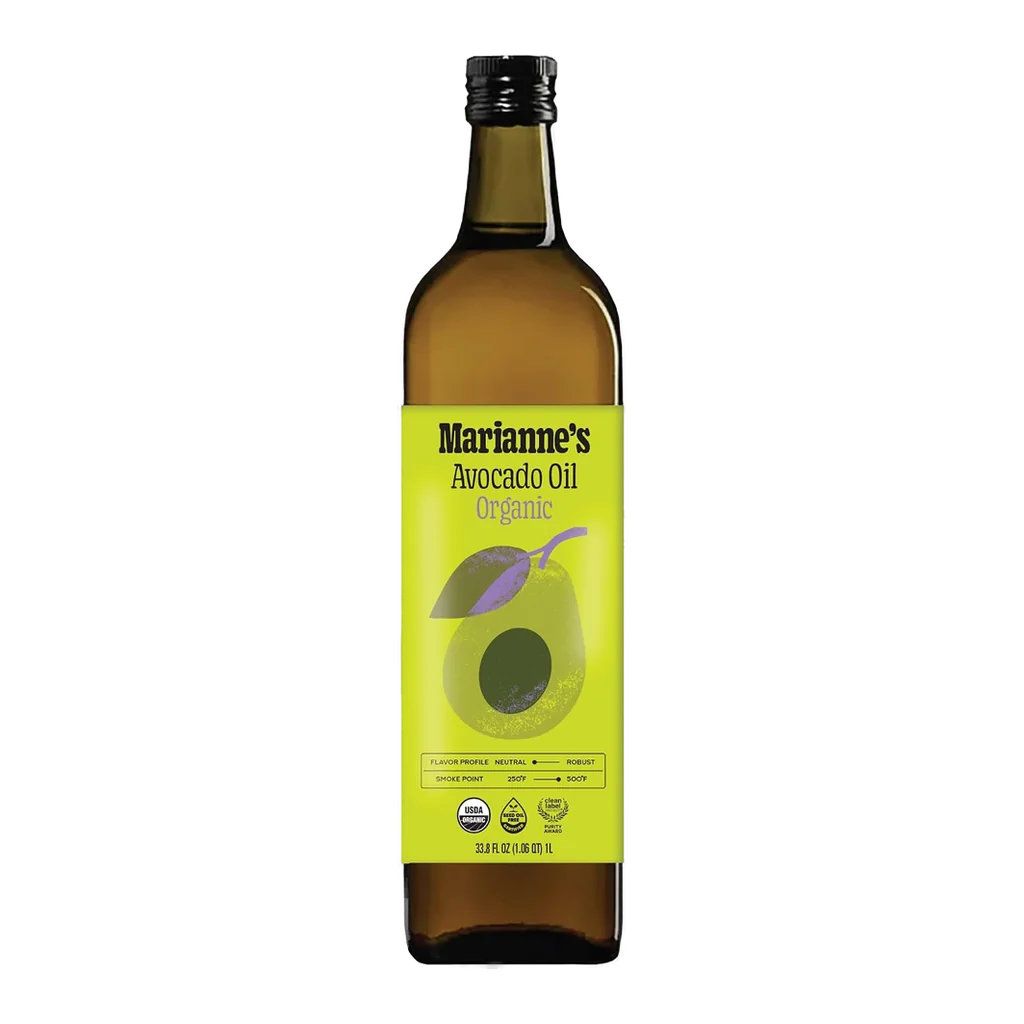
When UC Davis tested 22 bottled avocado oils in 2020, only two came back both pure and fresh. Marianne’s was one, Chosen Foods the other. Nobody has retested either bottle since, but between the two I think Marianne’s is much better.
Purchase signal: Bought and used.
Price: $37.65 for 1 liter when I checked on September 27, 2026.
Chosen Foods Avocado Oil
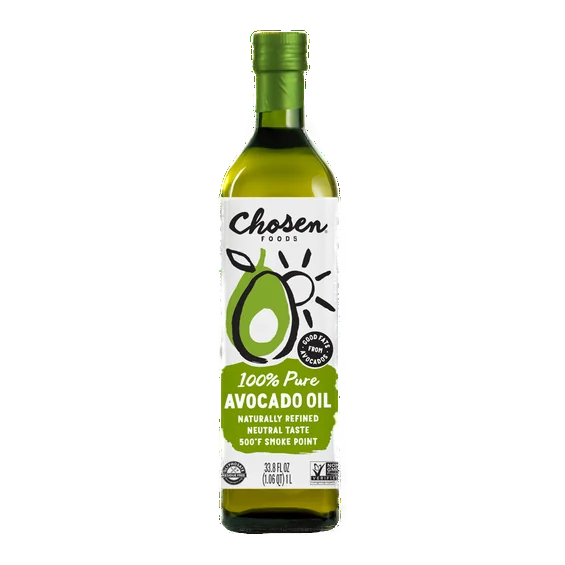
If you need a drop in replacement for that big bottle of vegetable oil sitting on your counter, this is it. Takes heat well, doesn’t taste like anything, and the ingredient list is just avocado oil. I use it for pan frying, stir fry, seasoning BBQ grill grates, and the Blackstone griddle.
Chosen Foods Avocado Oil Spray
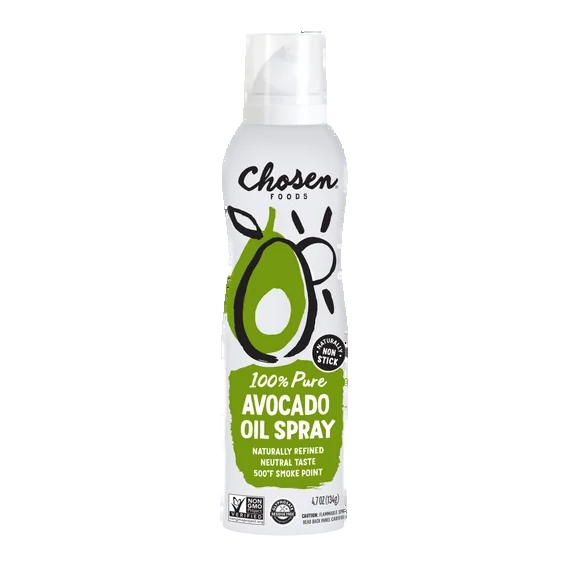
This is good for pans, grills, the griddle, or spraying right onto your meat, fish, and veggies. Same clean ingredient list as the bottle, just in a spray format that makes it way easier to get an even coat without overdoing it. I keep one next to the stove and another by the Blackstone.
Fatworks Grass Fed Tallow
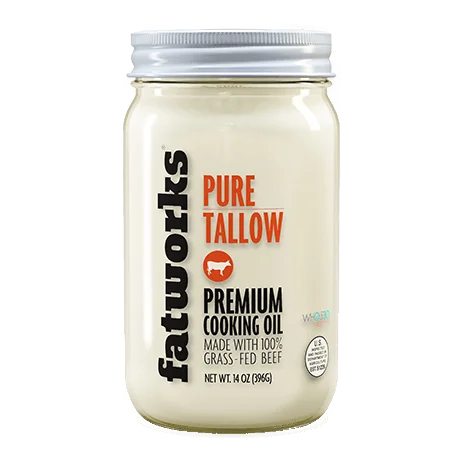
I fry eggs in this and sear meat. It doesn’t smoke. It doesn’t break down. It’s just beef fat that’s been gently processed. Tastes good too.
South Chicago Packing Co. Wagyu Beef Tallow
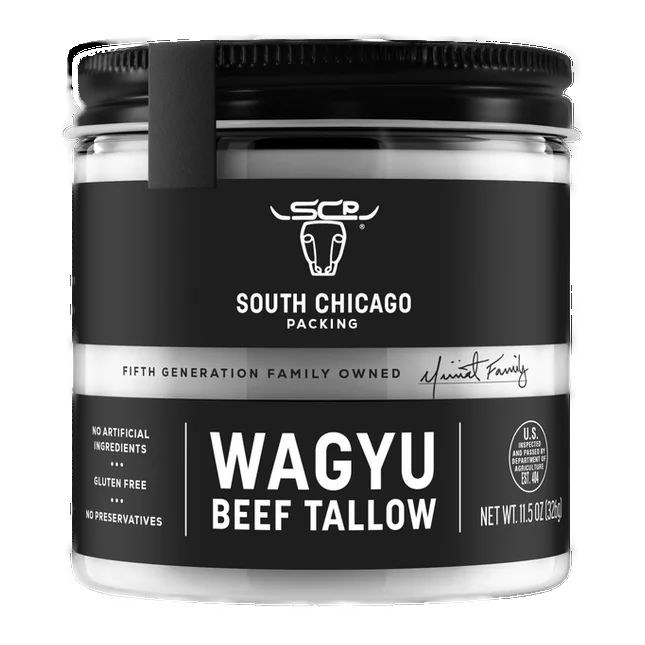
Very economical and a solid everyday tallow. This is American raised wagyu, not the Japanese wagyu you’re thinking of. The fat renders beautifully and has a clean, mild flavor. I rotate between this and the Fatworks depending on what’s in stock. For the price per pound, it’s hard to beat.
Fatworks Leaf Lard
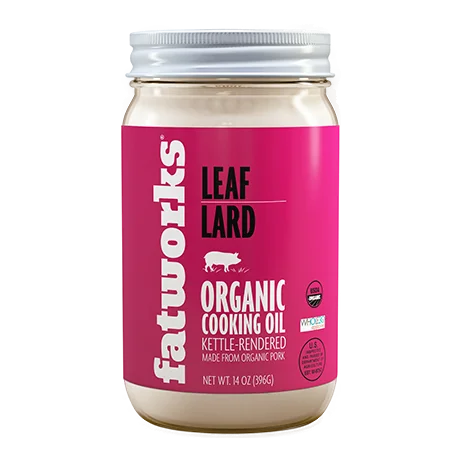
I started baking with lard after my grandmother in law insisted her pie crust recipe only worked with it. She was right. The flakiness is on another level compared to butter or (god forbid) Crisco. This particular leaf lard is clean, well rendered, and doesn’t have that porky funk some cheaper lards carry.
Verdana Organic Extra Virgin Coconut Oil, 1 Gallon
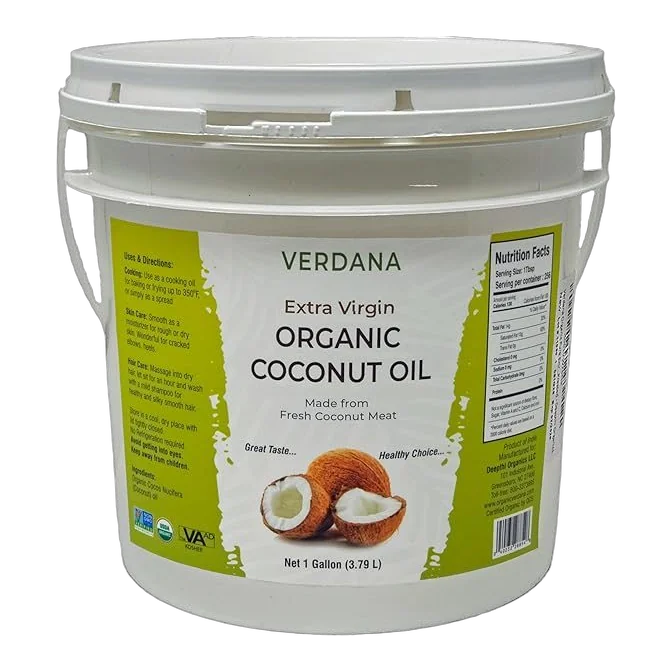
If you do any amount of frying, a gallon jug of coconut oil is one of the best investments you can make. Verdana’s is organic, cold pressed, and unrefined. Coconut oil is mostly saturated fat, which means it holds up to heat without breaking down the way seed oils do. Great for deep frying, pan frying, baking, or anywhere you want a mild coconut flavor. The gallon size makes it practical for regular use instead of burning through tiny jars.
What I Actually Did
Anyone who tells you to throw out your entire pantry on day one hasn’t actually tried to do this with a family. That approach fails almost immediately. The methodology that actually worked for me was simple: replace bad with good as the bottles ran out, and pick the right alternative for each purpose instead of trying to find one oil to do everything.
Salad dressings and finishing oils: avocado oil and EVOO. The EVOO does the flavor heavy lifting. Avocado oil is the neutral one for when olive flavor would compete with the dish.
Higher heat cooking, like searing steaks, pan-frying chicken thighs, hash browns: avocado oil and beef tallow. Tallow handles the real high heat. Avocado oil is the medium-high fallback.
Eggs and most pan cooking: butter and ghee. Ghee for slightly higher temperatures or when you want a nuttier flavor. Butter for everything else.
Baking: butter and lard, depending on what you’re baking. Lard makes pie crust nothing else can match.
That covers about 95% of the situations where seed oils used to be the default. Six items, total. Replace as bottles run out.
The slower part was the inflammation thing. I expected the puffiness in my face and the brain fog and the general low grade hum to clear out in a couple of weeks once the seed oils were gone from my kitchen. They didn’t. Omega-6 fats sit in your tissue. Your body cycles through them slowly. It took months, not weeks. The puffiness came down gradually. The mid-afternoon brain fog I’d been treating with more coffee started lifting. My skin got a little less reactive. Around the four or five month mark I caught a photo of myself and thought, “I just look different now.” Less swollen. Nobody else would have pointed it out, but you can tell when it’s your own face.
The other thing I noticed: when I ate seed oils after months of avoiding them, like getting fries at an airport, I’d feel it the next day. Slight puffiness, kind of foggy, similar to before. Whether that’s a real biological response or me just paying more attention because I’d been avoiding it, I can’t say for certain. But it’s been consistent enough that I trust the signal.
I still eat seed oils when I’m out. You can’t avoid them at restaurants, and life is too short to interrogate a waiter about their frying oil. But my kitchen at home is clean and that covers maybe 75-80% of my total fat intake. And honestly? The food is just better. That’s the part nobody tells you. It doesn’t feel like sacrifice. It tastes like an upgrade.
Frequently Asked Questions
Is canola oil actually bad?
Honestly? It’s complicated. Canola lands in my “orange” category, not red, because the numbers are genuinely different. The omega-6 to omega-3 ratio is about 2:1, which is way more reasonable than corn oil’s absurd 50:1. PUFA content is lower too. It’s still refined, still hexane extracted, and I personally don’t cook with it. But if there’s one bottle of canola in your pantry right now, relax. Finish it and buy something better next time. Corn oil and sunflower oil are the ones I’d throw out today.
Are seed oils actually inflammatory?
The short answer: the biochemistry checks out. When linoleic acid oxidizes it creates compounds that trip your body’s inflammatory switches. That part is not debated. The ratio argument is also backed by solid research. Where it gets murky is whether the amount most people eat actually causes meaningful harm, or whether it’s only a problem at extreme levels. My read on the literature: if you’re eating the typical American diet heavy on processed food, the cumulative load probably matters. If you’ve already cut back significantly, an occasional exposure isn’t going to wreck you. Think of it like sun exposure. A little is fine. A lot over years adds up.
What about high oleic sunflower and safflower oils?
Good question, because these are genuinely not the same product as regular sunflower or safflower. Plant breeders developed varieties where the fat profile shifts heavily toward monounsaturated (oleic acid) instead of polyunsaturated. So high oleic sunflower drops from around 65% PUFA to somewhere in the single digits. That’s a massive difference. If someone insisted on using a seed oil, I’d point them to a high oleic version. That said, butter and tallow cost about the same and have even better stability, so I still lean that direction for my own cooking.
Is olive oil okay for cooking?
Absolutely, within reason. I covered this more in my frying oils article, but the quick version: EVOO has built in antioxidants (polyphenols) that actually protect it from breaking down. That’s why it outperforms seed oils in oxidation tests despite having a lower smoke point. Keep it at medium heat or below, around 350F max. For sauteing garlic and vegetables, making a pan sauce, finishing pasta? Perfect. Just don’t deep fry with it. That’s what tallow and avocado oil are for.
Does coconut oil count as a seed oil?
Nope. Different category entirely. Coconut oil comes from the flesh of the coconut, not from a seed. Composition wise it’s about 85-90% saturated fat, which makes it rock solid against heat damage. The catch is flavor. Coconut oil tastes like… coconut. Great for Thai curry, annoying in a grilled cheese. Some brands sell “refined” coconut oil with less flavor, but I mostly just use it for specific dishes where coconut makes sense. Zero omega-6 concerns though.
Can I use multiple different oils for different purposes?
That’s literally what I do, and I think it’s the way to go. My counter has four fats on it at any given time: butter by the stove for everyday cooking, tallow in a jar for anything that needs serious heat, EVOO for finishing and salads, and avocado oil for when I want something neutral. Coconut oil lives in the pantry for the rare curry night. Having options means you pick the right tool for the job instead of forcing one fat to do everything.
What’s the deal with omega-3 supplementation?
That’s a separate topic and probably deserves its own article. But the short version: fish oil supplements might help balance the omega-6 ratio if you’re consuming a lot of seed oil. Whether you need them if you’ve already cut back on seed oil is debatable. Start with diet first, then decide if supplementation makes sense for your situation.