In This Article
- Quick Reference: The Nine Oils You’re Looking For
- 1. Condiments (The Obvious Ones)
- 2. Bread (The One Nobody Checks)
- 3. Snacks and Chips (The Entire Aisle Is Cooked)
- 4. Dairy and the Dairy Alternative Trap
- 5. The Freezer Section (Abandon All Hope)
- 6. “Health” Foods (This One Will Make You Mad)
- 7. Eating Out (Pick Your Battles)
- 8. The Weird Stuff Nobody Checks
- The 30 Minute Kitchen Audit
- Frequently Asked Questions
- Your First Three Swaps
A shelf by shelf audit of the products hiding soybean, canola, and sunflower oil in your kitchen right now.
I had this moment about two months ago where I was standing in my kitchen feeling really smug. I’d swapped my cooking oils. The Hellmann’s was gone. Rao’s had replaced Prego on the shelf. I thought I’d cracked the code.
Then my wife asked me to check the bread.
Bread. I hadn’t even thought about bread. Picked up the loaf of Dave’s Killer Bread sitting on our counter. You know, the one with the guy in the beanie on the package, the one that screams “I’m healthy, buy me.” Flipped it over. Canola oil. Right there on the label.
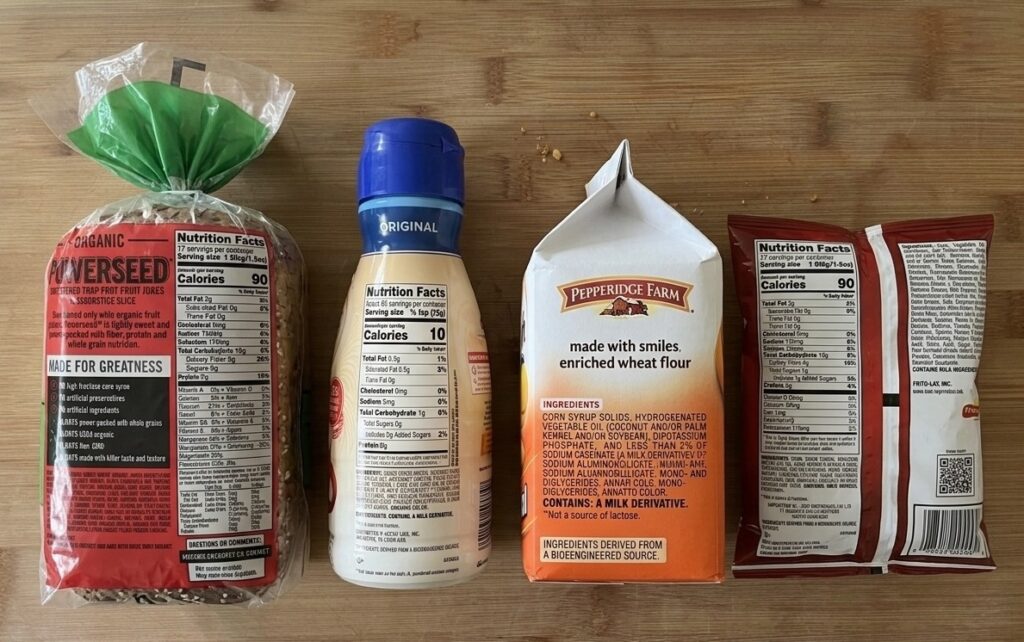
That kicked off what I now call The Purge. I spent a Saturday morning pulling everything out of the fridge, the pantry, every cabinet. Read every single label. My wife thought I was losing it. Maybe I was. But by the time I finished, I had a full box of stuff I’d been feeding my family without a second thought. Protein bars. Crackers. Coffee creamer. A bag of “lightly salted” almonds that were roasted in sunflower oil. My kid’s Goldfish crackers. All of it laced with the exact oils I thought I’d already eliminated. We dropped the box off at the local food pantry because I don’t like wasting food, but it was a weird feeling donating stuff I no longer wanted to eat myself.
That experience is why I wrote this. Not another vague list telling you “avoid processed foods.” I’m naming names. Specific brands, specific products, specific oils. And for each category, I’ll tell you what we actually switched to.
Some background on why this matters to me beyond just being label-curious. A friend kept sending me Dave Asprey clips a couple years ago. Asprey was open about how puffy and red his face had gotten. He cut the seed oils, started taking real omega-3s, and you can see the before-and-after photos. His face is just different. Less swollen. Whatever was going on with him, the chemistry shifted.
I was in my own version of that without realizing it. Morning puffiness around my eyes. The kind of low grade brain fog I’d been treating with another coffee. None of it dramatic. Just there. The kind of stuff you stop seeing because it’s been your default for years.
So I cleaned up my kitchen and waited. The thing nobody warns you about: this takes months. Not weeks. The omega-6 fats hide out in your fat cells and your body releases them slowly as it cycles through. Around month four, maybe five, I caught a photo of myself and just looked… less swollen? Hard to describe. The kind of change you only notice in your own face.
Here’s the actual playbook in case you want it cold. When the canola oil ran out, I bought avocado oil. When the salad dressing was empty, I started making my own with EVOO and lemon. For high heat stuff (steaks, hash browns, anything that needs a real sear), I keep beef tallow on the counter. Butter for eggs. Ghee when I want a little more heat tolerance. Lard for pie crust because nothing else compares. Six fats. Replace as bottles drain. Done.
Quick Reference: The Nine Oils You’re Looking For
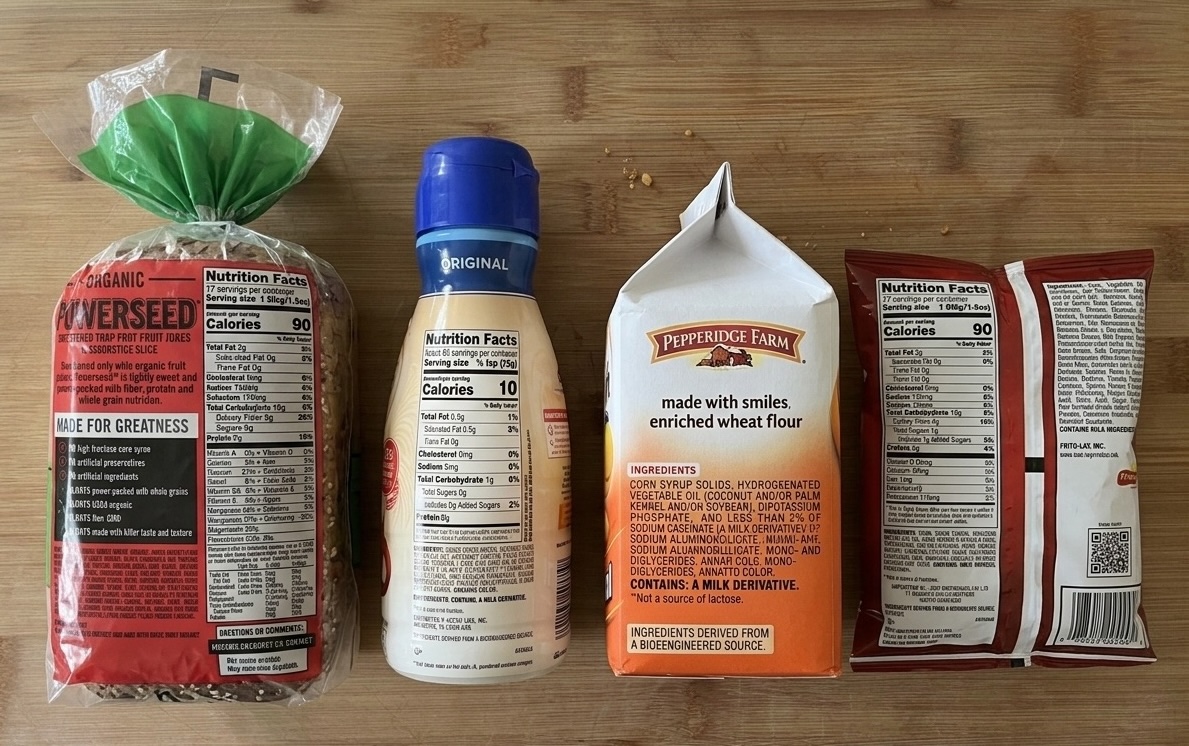
Before we start tearing through your kitchen, here’s the shortlist. Print this out or screenshot it for your next grocery run. When you flip a product over, you’re scanning for these words:
The Hit List
- Soybean oil (the big one. Shows up in probably 60% of everything on grocery store shelves)
- Canola oil (you’ll also see it called “rapeseed oil” on some labels, especially European brands like Oatly)
- “Vegetable oil” (this is almost always soybean. They just don’t want to say soybean.)
- Sunflower oil
- Corn oil
- Cottonseed oil (this one pops up in the weirdest places. Fast food frying oil. Canned fish. Ice cream.)
- Safflower oil
- Rice bran oil (Chipotle uses this one)
- Grapeseed oil
Watch Out for “And/Or” Language
Here’s a trick manufacturers pull that drives me up the wall. The ingredient list will say something like “contains one or more of: soybean oil, canola oil, sunflower oil.” That’s legal. It lets them swap between whichever cheap oil has the best price that quarter. They don’t even have to reprint the label. If you see “and/or” anywhere near an oil name? Put it back on the shelf. Done.
1. Condiments (The Obvious Ones)
You probably already suspect your condiments. Good instinct. But the depth of it still shocked me when I actually checked every bottle in the door of my fridge.
Hellmann’s mayo? The very first ingredient after water is soybean oil. Not some, not a blend. Soybean oil, front and center. Kraft is the same story. So is Duke’s. And here’s the one that really got me: Hellmann’s makes an “Olive Oil Mayo” that’s mostly soybean oil. They put olive oil in the name. It’s like the fourth or fifth ingredient. I almost launched that jar across the kitchen.
Salad dressings are even worse. Kraft, Wishbone, Ken’s Steakhouse, Hidden Valley. Soybean oil across the board. I used to buy Newman’s Own thinking it was the better option. Nope. Canola and/or soybean in most of their flavors. The organic line too. Organic soybean is still soybean.
Dipping sauces and wing sauces caught me off guard. Buffalo wing sauces, honey mustard dips, the little sauce cups that come with chicken nuggets. Soybean oil hiding in all of them. For pasta sauce, Prego and Ragu both use soybean or canola. Even Bertolli, which sounds like it should be Italian and olive oil based, runs on canola.
We wrote a whole guide on this one: Best Seed Oil Free Condiments. The quick version? Chosen Foods avocado oil mayo, a pasta sauce with olive oil and no added sugar (Rao’s used to be ours, but the recipe has changed since the brand was bought, so read the jar), Organicville for ketchup. Primal Kitchen makes solid dressings if you can find them in stock.
Organicville Organic Ketchup (no corn syrup)
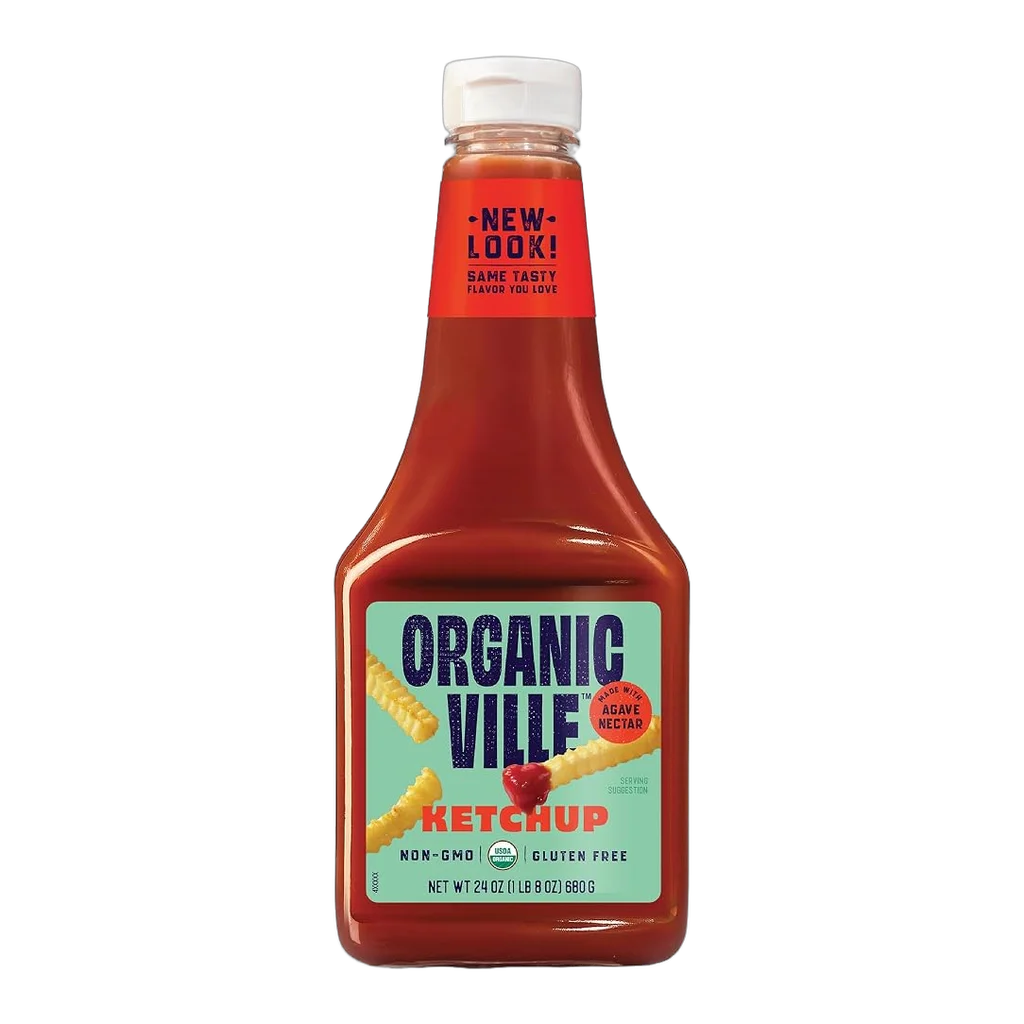
Organic tomatoes sweetened with agave instead of high fructose corn syrup.
Picked for: No corn syrup and no oil.
Price: $4.72 for 24 oz on September 27, 2026.
2. Bread (The One Nobody Checks)
This category broke my brain a little. Why is there oil in bread? Bread is supposed to be flour, water, yeast, salt. That’s it. Four ingredients. Go to any bakery in France and that’s what you’ll get.
But commercial American bread? Totally different animal. They add soybean oil because it makes the texture softer and extends shelf life by a few days. That’s it. Not for nutrition. Not for taste. Just because it’s cheap and keeps the bread squishier for longer.
Wonder Bread, Sara Lee, Nature’s Own, Arnold. All soybean oil. But the one that actually made me angry was Dave’s Killer Bread. That brand markets itself as the healthy, whole grain, feel good about yourself option. Canola oil in most of their varieties. I’d been buying it for over a year thinking I was making a smart choice.
Buns are the same situation. Martin’s Famous Potato Rolls? Sunflower oil. King’s Hawaiian? Soybean and/or palm. Tortillas: Mission and Old El Paso both use soybean or canola. The only tortillas I’ve consistently found clean are corn tortillas (just masa and water, traditionally) and Siete (check price on Amazon), which uses avocado oil or cassava.
Ezekiel 4:9 bread from Food for Life. Zero oils. It’s in the freezer section at most grocery stores, which is actually a good sign because it means they didn’t need preservatives. For everyday bread, our local bakery’s sourdough has four ingredients: flour, water, salt, starter. That’s real bread.
Siete Cassava and Coconut Tortillas (grain free)
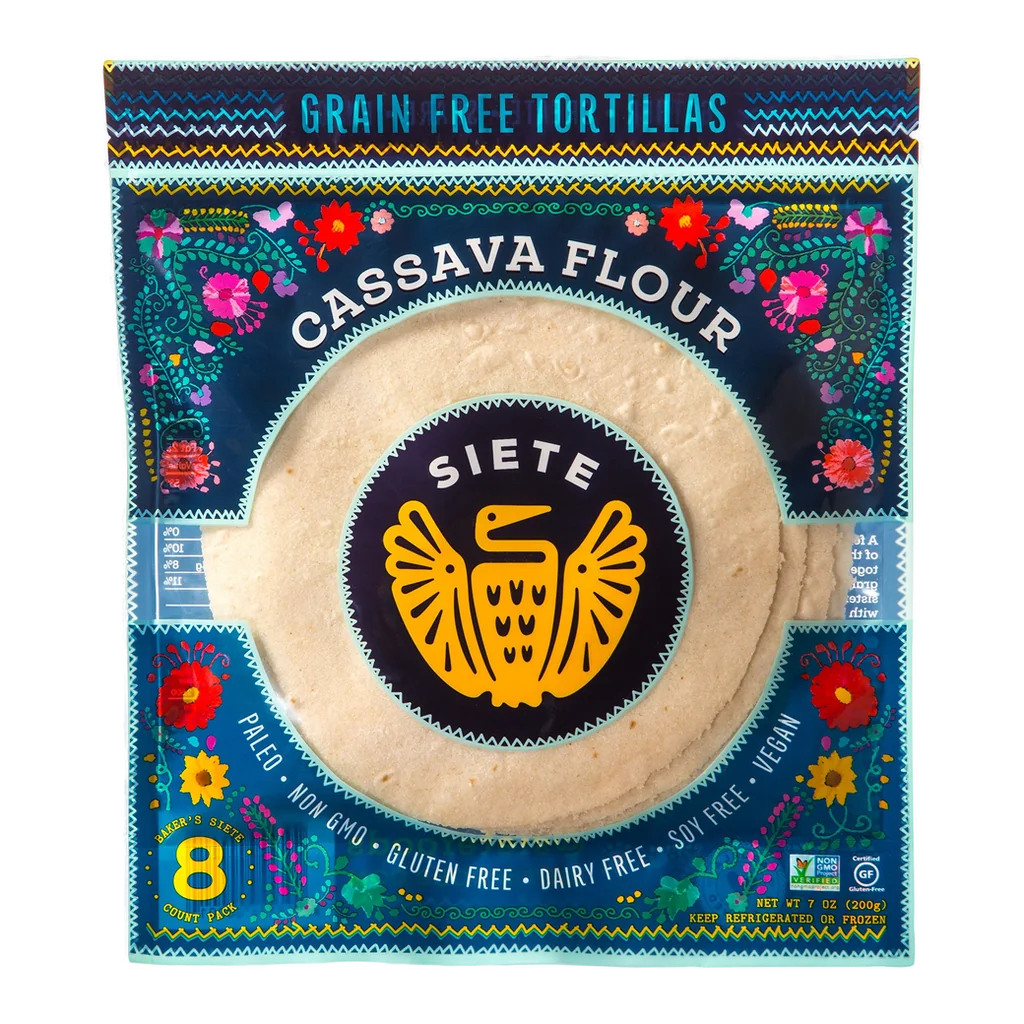
Grain free tortillas made from cassava and coconut flour.
Picked for: A tortilla without soybean or canola oil in the dough.
Price: $8.99 for 7 oz on September 26.
3. Snacks and Chips (The Entire Aisle Is Cooked)
I’m going to be blunt here. If it comes in a crinkly bag from the snack aisle, it almost certainly contains seed oils. This isn’t a “some brands are bad” situation. It’s a “the entire category runs on these oils” situation.
Lay’s, Ruffles, and Pringles are fried in various combinations of sunflower, corn, and cottonseed oils. Kettle Brand, which feels like it should be a step up? Safflower and/or sunflower. Utz uses cottonseed. The “natural” positioning on these brands is meaningless when it comes to what’s in the fryer.
Crackers are just as bad, honestly maybe worse because people eat them more often. Ritz? Soybean and canola. Wheat Thins? Canola. Cheez Its? Soybean. Goldfish crackers. I had to have a conversation with my six year old about this one. Not fun. Canola and sunflower oil.
Tortilla chips aren’t much better. Tostitos and Doritos both fry in corn and/or sunflower oil. Even the organic tortilla chips at Whole Foods. I checked three brands last week. Two used sunflower oil.
Oh, and roasted nuts. Don’t assume they’re safe just because they’re nuts. Planters flavored almonds? Canola or sunflower depending on the flavor. Blue Diamond has the same issue. If it says “roasted” and has more than two ingredients (nuts + salt), you should be suspicious.
Jackson’s sweet potato chips are fried in coconut oil. Siete makes avocado oil tortilla chips (check on Amazon). Boulder Canyon makes a solid kettle chip cooked in avocado oil (check on Amazon). Mary’s Gone Crackers are just seeds and grains, no oils. For nuts? We buy raw or plain dry roasted now. Just nuts and salt. We roast our own sometimes when we’re feeling ambitious. Takes 12 minutes in the oven. We put together a full guide to seed oil free snacks with brand by brand picks if you want the deep dive.
Mary’s Gone Crackers (seeds and grains)
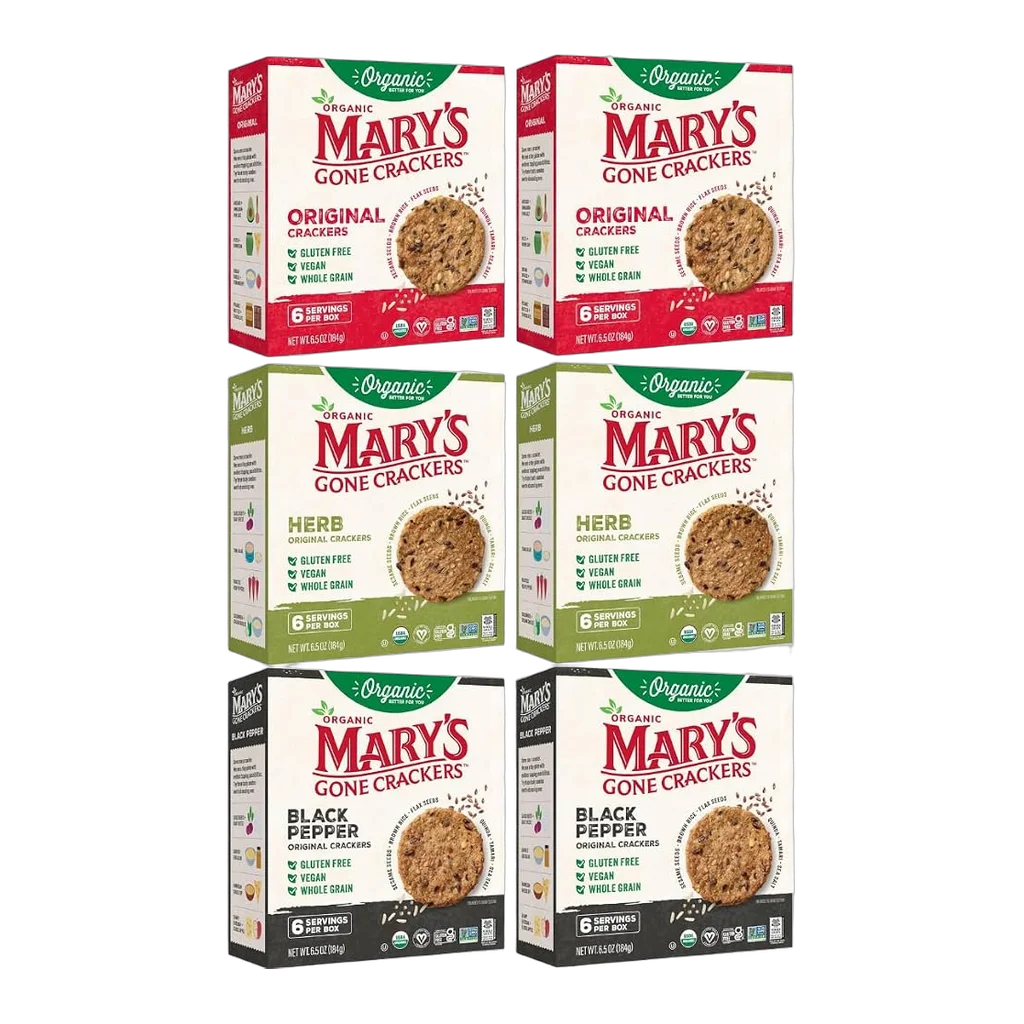
Brown rice, quinoa, flax and sesame, with tamari for the salty part. No oil added.
Picked for: Whole grains and seeds with no seed oil.
Price: $36.95 for a 6-box variety pack on September 27, 2026.
Siete Grain Free Tortilla Chips
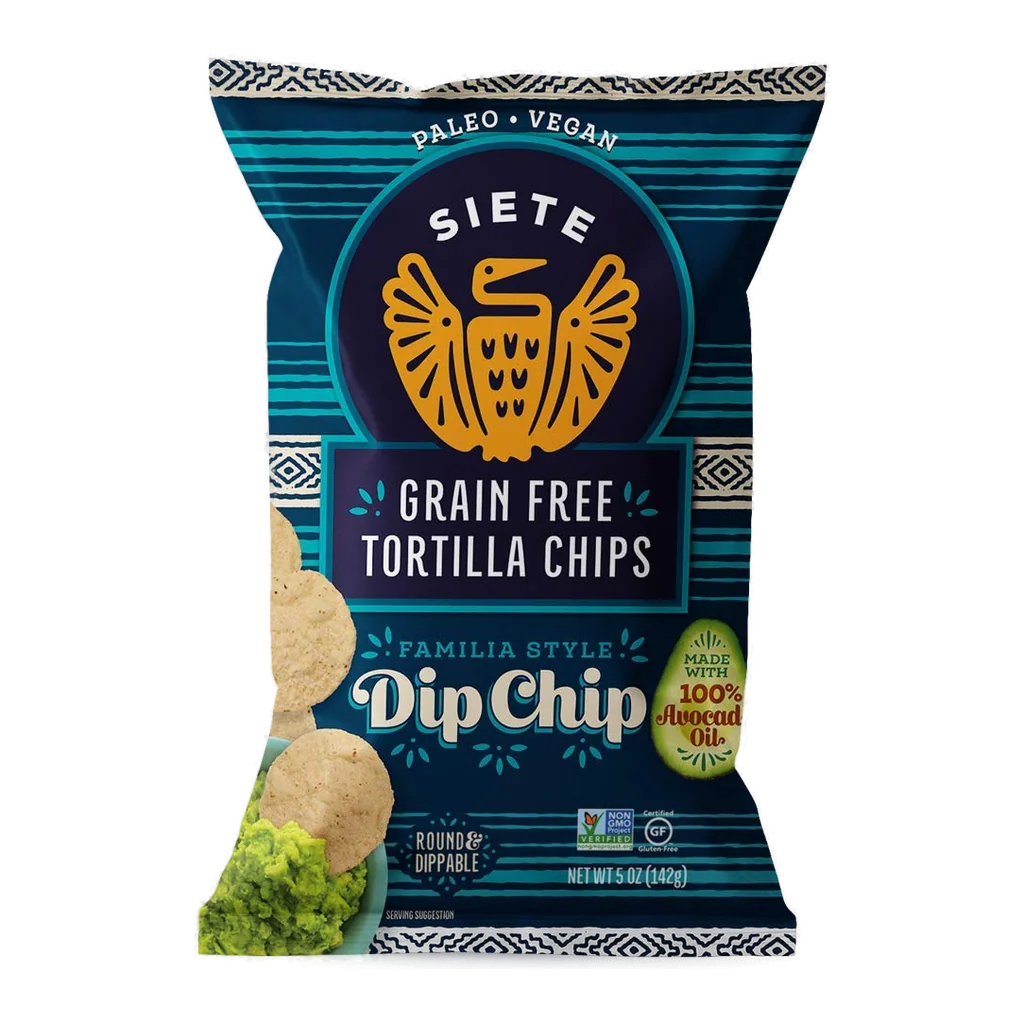
Cassava based chips cooked in avocado oil. Siete was one of the companies the Texas attorney general sent a civil investigative demand in August 2026, which is an investigation, not a finding.
Picked for: A tortilla chip without sunflower or corn oil on the label.
Price: $3.90 for 5 oz.
Boulder Canyon Avocado Oil Sea Salt Chips (read this first)
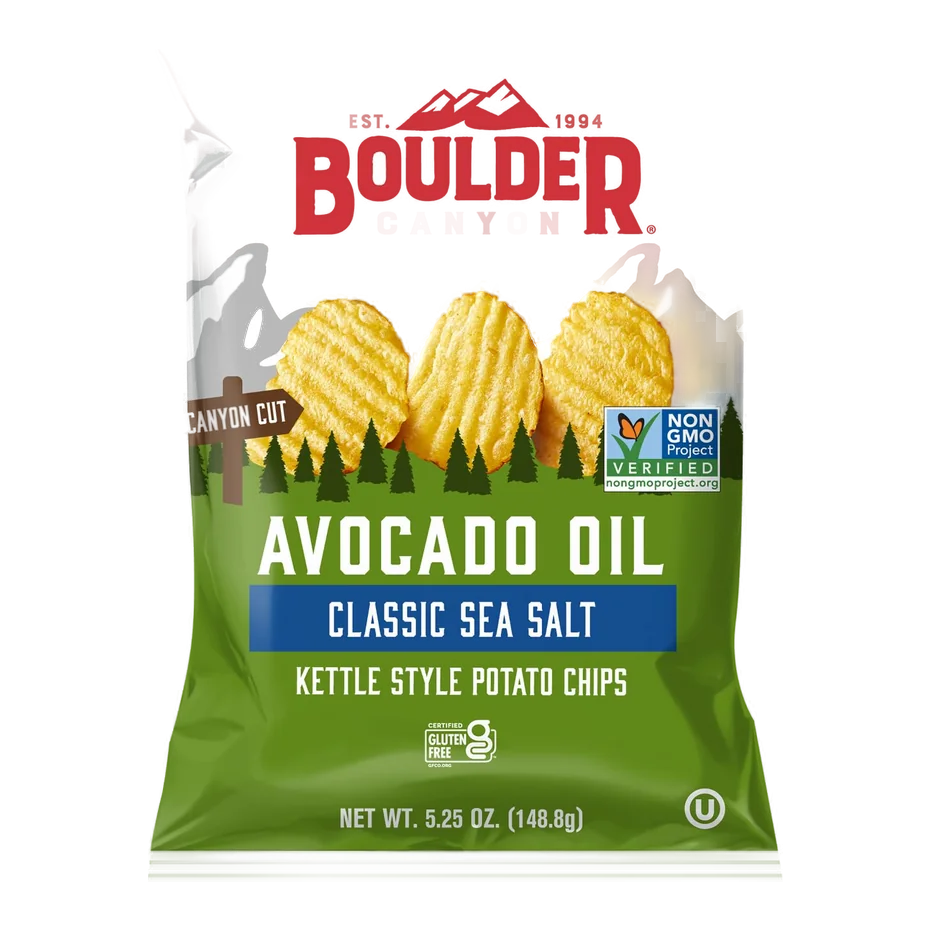
What I learned, July 2026: a UC Davis study published on July 15, 2026 in Applied Food Research found 93% of the avocado oil chips it tested were not consistent with real avocado oil. Boulder Canyon’s chips are now named in a class action that cites it. That is an allegation, not a finding.
Picked for: Kettle chips sold as cooked in avocado oil. Treat that as the maker’s claim.
Price: $4.49 for 5.25 oz on September 26.
4. Dairy and the Dairy Alternative Trap
Nobody thinks to check their milk for seed oils. I get it. But here’s where things get weird, especially if you’ve jumped on the oat milk bandwagon like half the country has.
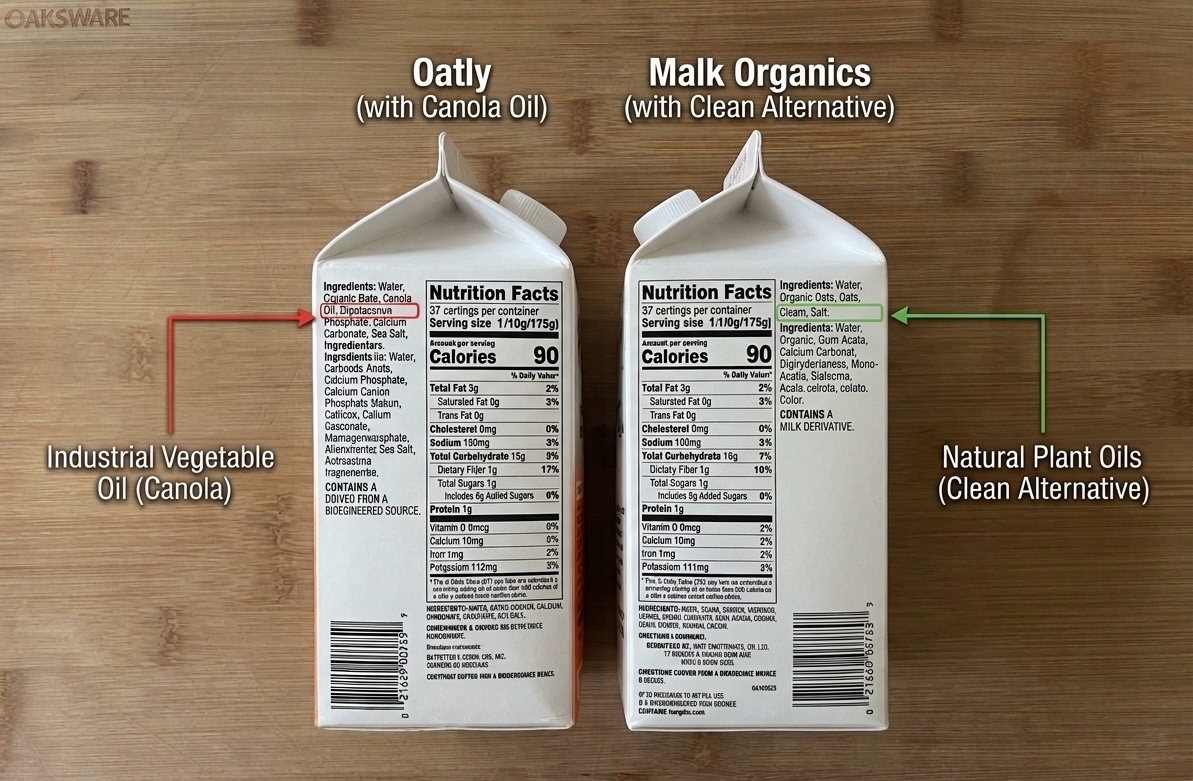
Oatly, the brand that basically invented the mainstream oat milk craze? Canola oil. They call it “rapeseed oil” on the label, probably because that sounds vaguely European and less industrial. Silk Oat, Planet Oat, same thing. Canola oil is what gives oat milk that creamy mouthfeel everyone loves. Without it, oat milk is basically thin oat water. Most almond milks are cleaner, but check the barista or “extra creamy” versions because those sometimes sneak oil in too.
Coffee creamers are an absolute disaster. Coffee Mate has partially hydrogenated soybean oil in several varieties. International Delight isn’t much better. Think about that for a second. People pour this stuff into their coffee every single morning, 365 days a year, without ever looking at what’s in it. That was me for a long time.
Butter substitutes I shouldn’t even need to explain. I Can’t Believe It’s Not Butter, Country Crock, Earth Balance. These products ARE seed oils. That’s literally what they’re made from. And processed cheese slices, Velveeta, anything that says “cheese product” rather than just “cheese”? Canola or soybean in there somewhere.
We went back to real cream for coffee. Just cream. That’s it. For plant milk, Malk and Three Trees make versions with no seed oils and minimal ingredients (check Malk on Amazon). Kerrygold has not been worth it to us lately. We go with other brands, like Westgold, a grass fed butter from New Zealand you can find at Walmart, or Countryside Creamery Pure Irish from ALDI, and local grass fed butter when we can get it. For cheese, just buy real cheese. Not “cheese product.” Actual cheese from the deli or dairy section.
Malk Unsweetened Almond Milk (short label)
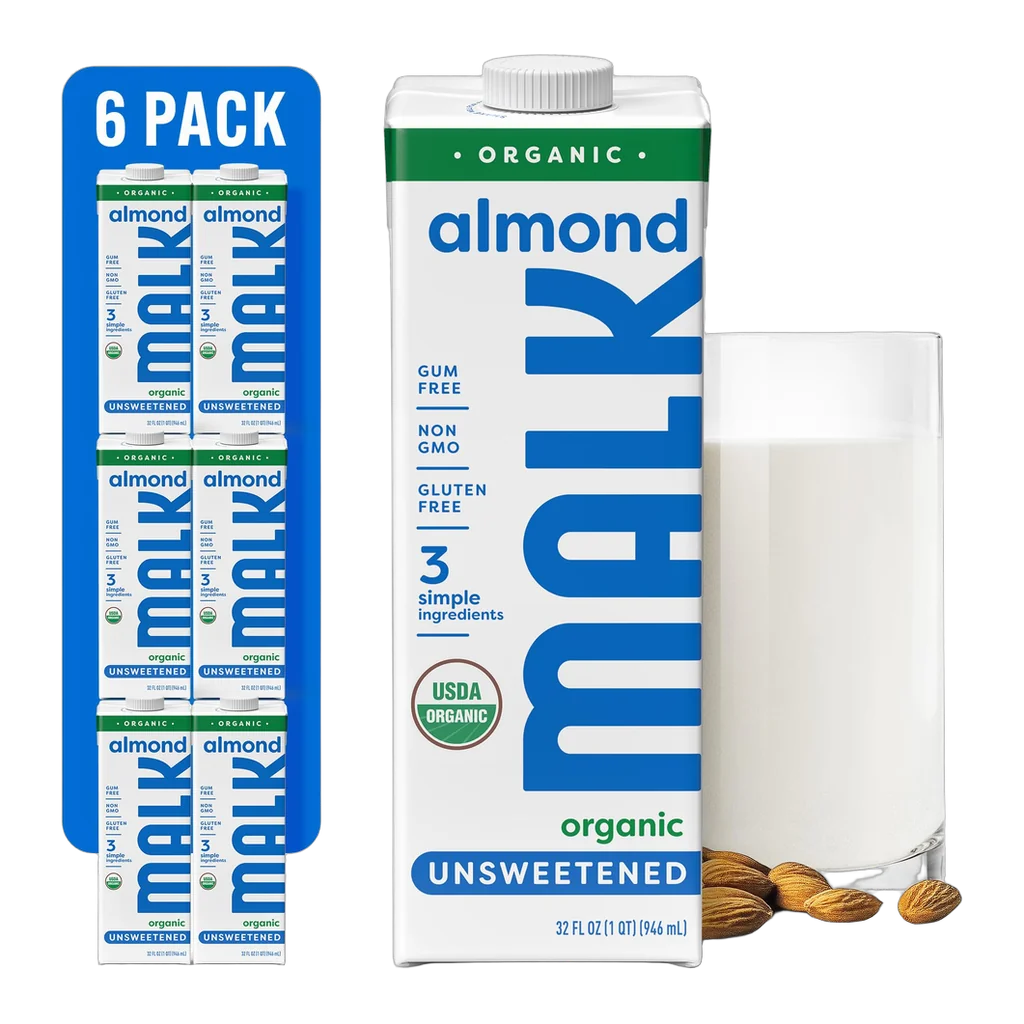
Organic and shelf stable, sold as a six pack of 32 oz cartons.
Picked for: An almond milk without added seed oil.
Price: No price showed on Amazon when I looked on September 26.
5. The Freezer Section (Abandon All Hope)
I’m not going to sugarcoat this part. If you eat frozen meals regularly, you’re eating seed oils regularly. There’s basically no way around it with mainstream brands.
I went through my freezer one night after putting the kids to bed. Stouffer’s lasagna? Soybean oil. Lean Cuisine chicken something? Soybean and canola. Marie Callender’s pot pie? Soybean. Every single Banquet meal and every Hungry Man dinner. All soybean oil. It’s not a coincidence. It’s the cheapest fat available for industrial food production, so every frozen meal company uses it as a base.
Frozen pizza is the same story. DiGiorno puts soybean oil in both the crust and the sauce. Red Baron, Totino’s, doesn’t matter. Even some of the “premium” frozen pizzas that cost twice as much still use soybean or canola in the dough.
And because apparently nothing is sacred: some ice creams have seed oils too. Breyers uses soybean oil or corn oil in certain flavors. Anything labeled “frozen dairy dessert” instead of “ice cream” is a red flag. Real ice cream is cream, sugar, and egg yolks. If the ingredient list has vegetable oil in it, you’re eating some kind of oil slurry that the FDA won’t let them call ice cream.
Honestly? We just cook more and freeze our own stuff now. Sunday meal prep, portion it out, throw it in the freezer. It’s more work upfront but the food is actually good. For the occasional frozen pizza, Cappello’s uses almond flour and no seed oils (check on Amazon). For ice cream, Häagen Dazs has always kept it simple. Cream, sugar, egg yolks, vanilla. Five ingredients. Jeni’s is clean for most flavors too.
Cappello’s Almond Flour Naked Pizza Crust
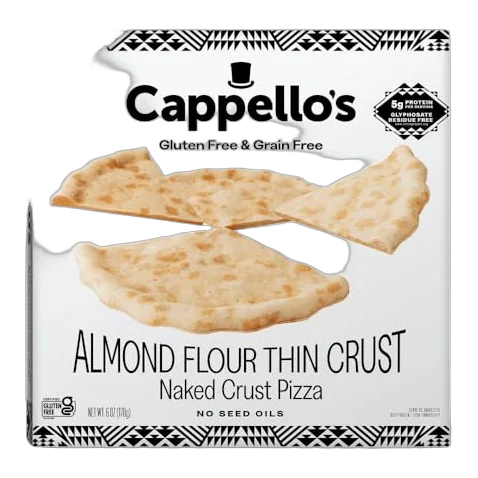
A frozen, gluten free crust with nothing on it, so you add your own sauce and toppings.
Picked for: Almond flour instead of a soybean oil dough.
Price: No price showed on Amazon when I looked on September 26.
6. “Health” Foods (This One Will Make You Mad)
OK. This is the section where I get genuinely heated. Because the products I’m about to name are specifically marketed to health conscious people. They’re sold in the health food aisle. They have green labels and words like “natural” and “plant powered” on the packaging. And they’re loaded with the exact oils that the people buying them are trying to avoid.
Let’s start with protein bars, because I was eating one of these almost every day after the gym. Clif Bars have both sunflower and soybean oil. KIND Bars use canola in some flavors. Nature Valley? Canola. Quest Bars have palm oil and sunflower lecithin. I went through my box of 12 Clif Bars and I genuinely felt ripped off. RXBAR is one of the few that keeps it clean, though even they’ve started adding sunflower lecithin to newer flavors. Read the label every time because formulations change.
Granola is another sneaky one. Those crunchy clusters that make granola actually good to eat? Usually held together with canola or sunflower oil. Bear Naked, Cascadian Farm, most store brands. All of them.
Plant based meats are probably the worst offenders in this category. Beyond Meat uses canola and sunflower oil. Impossible Burger has sunflower oil. MorningStar Farms runs on canola and soybean. I get it. You need fat to make a plant patty taste like meat. But it’s ironic that products marketed as “healthier” alternatives are built on the exact same industrial oils that people are increasingly trying to avoid.
Quick one on hummus: Sabra uses soybean oil. Real hummus is olive oil and tahini. Sabra replaced the olive oil with soybean because it’s cheaper. That’s it. That’s the whole story.
RXBAR and Epic bars for protein (check Epic on Amazon). We make our own granola now. It’s embarrassingly easy: oats, honey, coconut oil, whatever nuts you like, 20 minutes at 325. For hummus? A can of chickpeas, tahini, lemon, garlic, good olive oil, five minutes in the blender. Tastes better than Sabra anyway.
EPIC Protein Bars Variety Pack

Venison, chicken and beef bars, twelve to a box.
Picked for: Meat bars with short labels.
Price: $34.50 for 12.
7. Eating Out (Pick Your Battles)
I went back and forth on whether to include restaurants in this list. Because honestly? There’s only so much you can control when someone else is cooking your food. But I think you should at least know what’s happening behind the kitchen doors.
Basically every chain restaurant in America fries in soybean oil or a soybean/canola blend. McDonald’s, Chick fil A, Popeyes, Wendy’s. Your fries, chicken tenders, onion rings. All seed oil. Five Guys is a notable exception. They use peanut oil, which technically isn’t a seed oil. Steak ‘n Shake is another bright spot: they fry in 100% beef tallow. Fries, onion rings, chicken tenders, all of it cooked in tallow the old school way. Outback Steakhouse uses beef fat for their fried items too, including the Bloomin’ Onion. In N Out, on the other hand, uses a cottonseed blend. So even the “better” fast food options are a mixed bag.
Salad dressings at restaurants are universally seed oil based. That Caesar at the steakhouse? Soybean oil. The vinaigrette? Canola. Ranch? Soybean. I’ve started asking for olive oil and vinegar on the side when I eat out. The server usually gives me a weird look but whatever.
Higher end restaurants might cook with butter or olive oil for certain dishes, but plenty of nice places still use “blended oil” (soybean cut with some olive) to save money. Unless you ask, you won’t know.
8. The Weird Stuff Nobody Checks
Wrapping up with the products that made me feel like I was going crazy during my kitchen audit. The things you’d never think to flip over.
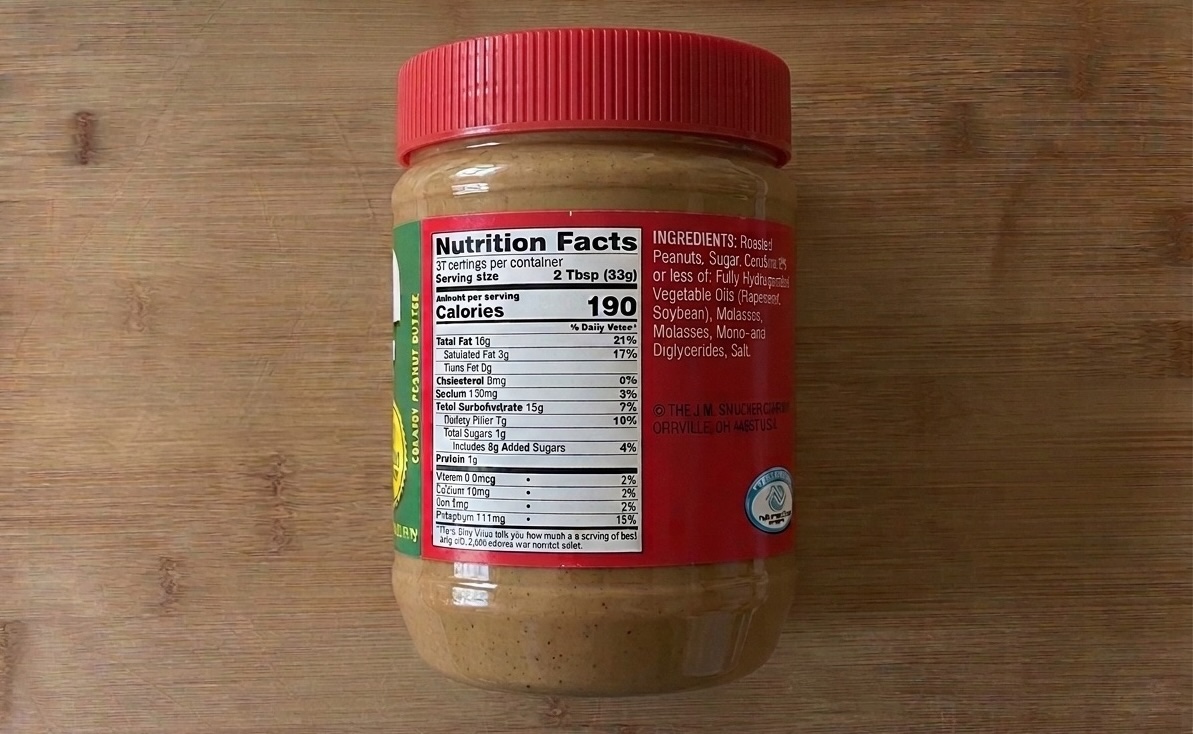
Peanut butter. Standard Jif and Skippy both contain fully hydrogenated vegetable oils, including rapeseed and soybean. The “natural” versions from both brands are fine. But the regular jars that probably 80% of families buy? Hydrogenated seed oils, sitting right there on the label. We switched to the kind where the only ingredient is peanuts. You have to stir it. Worth it.
Flavored oatmeal packets. Plain oatmeal is just oats. Great. But Quaker’s flavored instant oatmeal packets add canola or palm oil. It’s a small amount, but if you’re eating it five mornings a week, it adds up. We buy plain oats now and add our own cinnamon, honey, and berries. Takes about 90 extra seconds.
Canned tuna. Many brands pack tuna “in oil” where that oil is soybean, not olive. StarKist and Bumble Bee both do this. Always check whether the can says “in olive oil” specifically. If it just says “in oil,” assume soybean.
Dried fruit and trail mix. A lot of dried cranberries get coated in sunflower oil to keep them from clumping. Trail mixes often roast the nuts in canola before mixing everything together. Even the bags at Trader Joe’s. I checked.
Spice blends. Some taco seasoning packets and ranch seasoning mixes use canola or soybean oil as an anti caking agent. It’s a tiny amount, but once you know it’s there, you can’t unknow it. We buy individual spices now and mix our own. Cumin, chili powder, garlic powder, onion powder, paprika. That covers about 90% of what taco seasoning does anyway.
- Peanut butter: Teddie All Natural or Crazy Richard’s (just peanuts, no oils). Check Teddie on Amazon
- Canned tuna: Genova Yellowfin in Olive Oil or Wild Planet Albacore in Extra Virgin Olive Oil. Check Genova on Amazon
- Dried cranberries: Honestly Cranberry (just cranberries, no oil, no sugar). Check on Amazon
- Taco seasoning: Primal Palate Organic Taco Seasoning (just spices, zero fillers) or Siete Taco Seasoning. Check Primal Palate on Amazon
- Oatmeal: Buy plain rolled oats (Bob’s Red Mill or store brand) and add your own toppings. Cheaper and cleaner.
Crazy Richard’s Crunchy Peanut Butter (just peanuts)
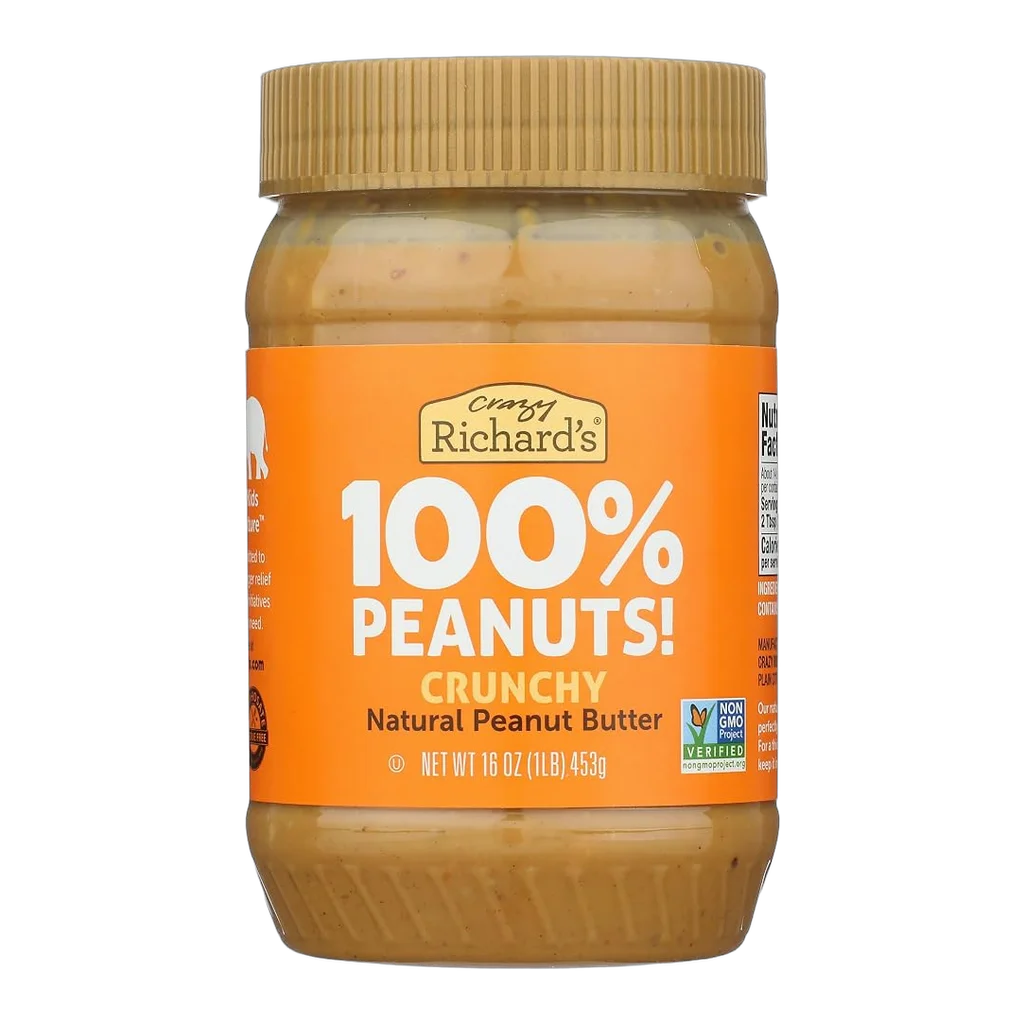
Peanuts, and that is the whole label. The oil on top is the peanuts’ own, so stir it back in.
Picked for: One ingredient, no added oil or sugar.
Price: $4.99 for 16 oz on September 27, 2026.
Wild Planet Albacore in Extra Virgin Olive Oil
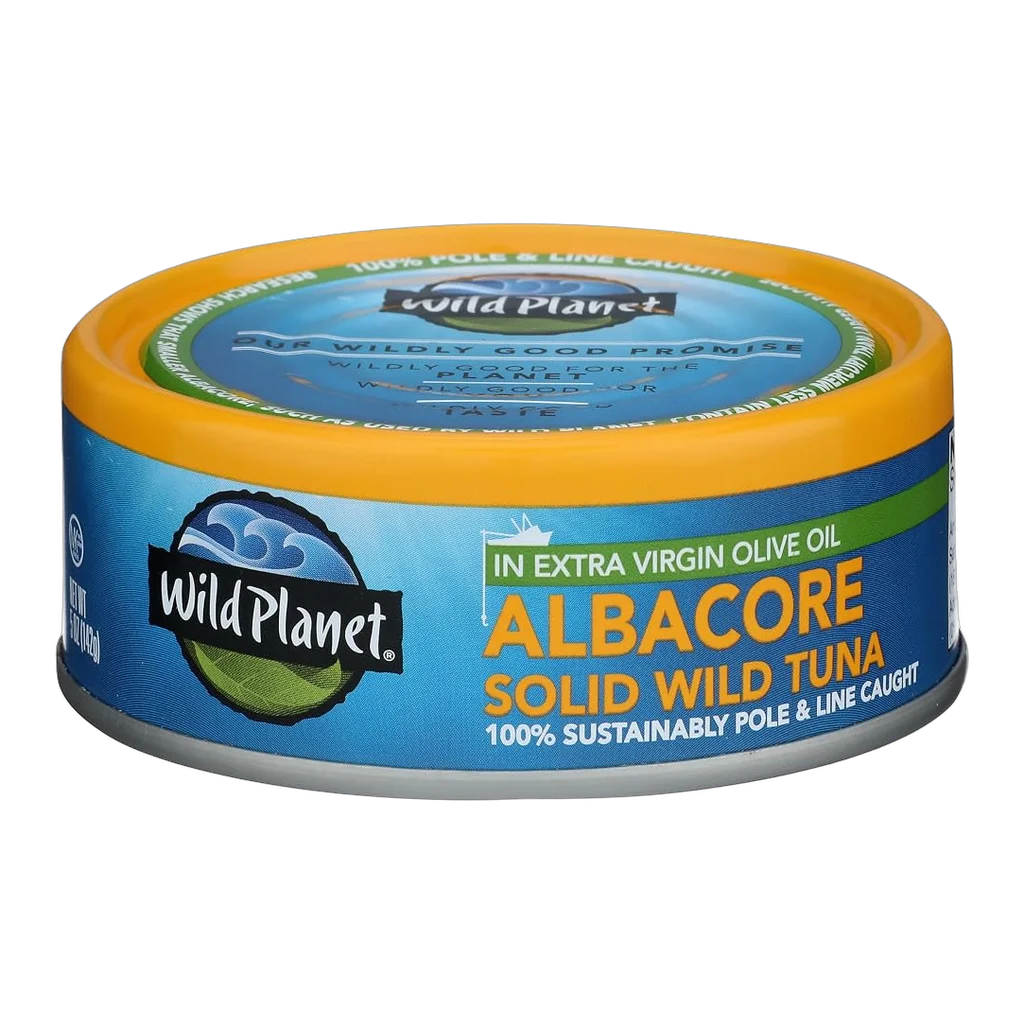
Pole and line caught albacore packed in extra virgin olive oil, where a lot of cheap cans use soybean oil.
Picked for: Olive oil instead of soybean oil.
Price: $4.47 for a 5 oz can on September 27, 2026.
Teddie All Natural Smooth Peanut Butter
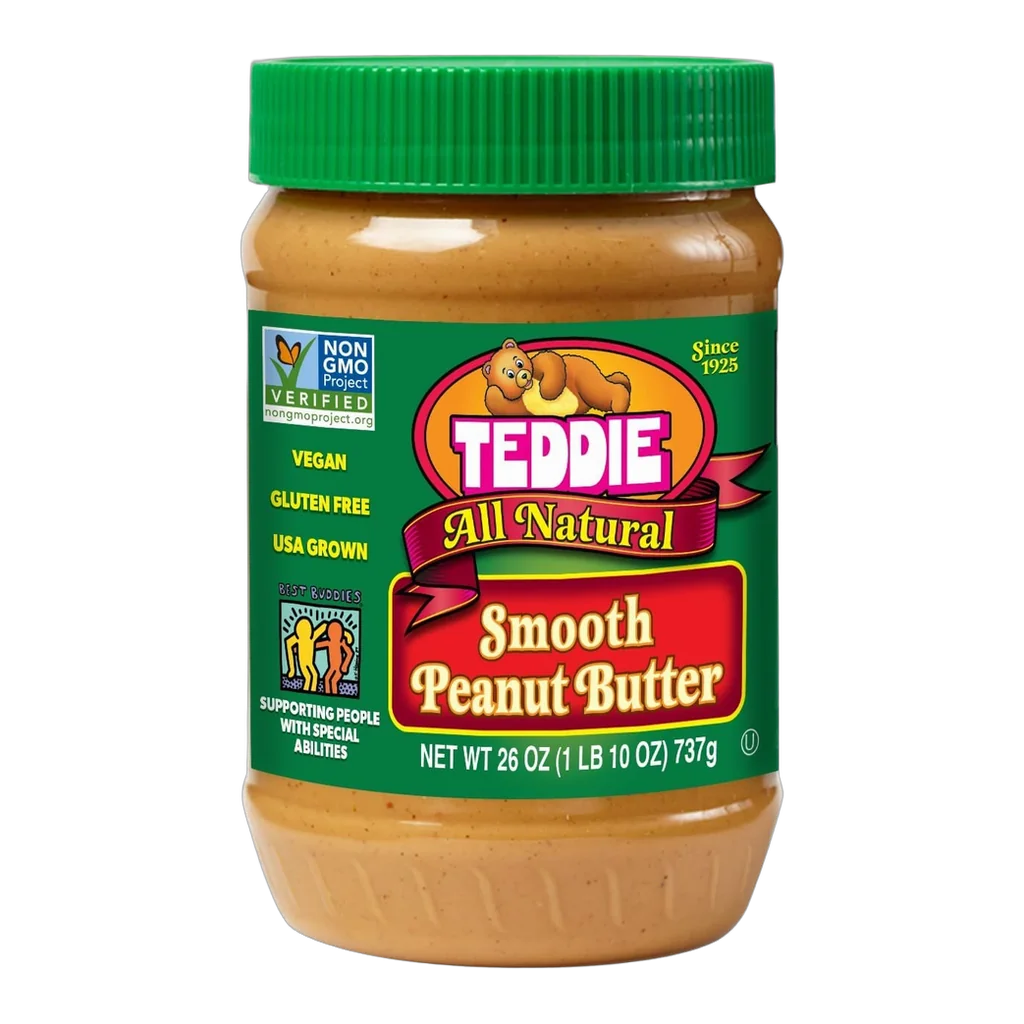
The stir kind, in a 26 oz jar.
Picked for: Peanuts and salt, no added oil.
Price: No price showed on Amazon when I looked on September 26.
Genova Yellowfin Tuna in Olive Oil (8 cans)
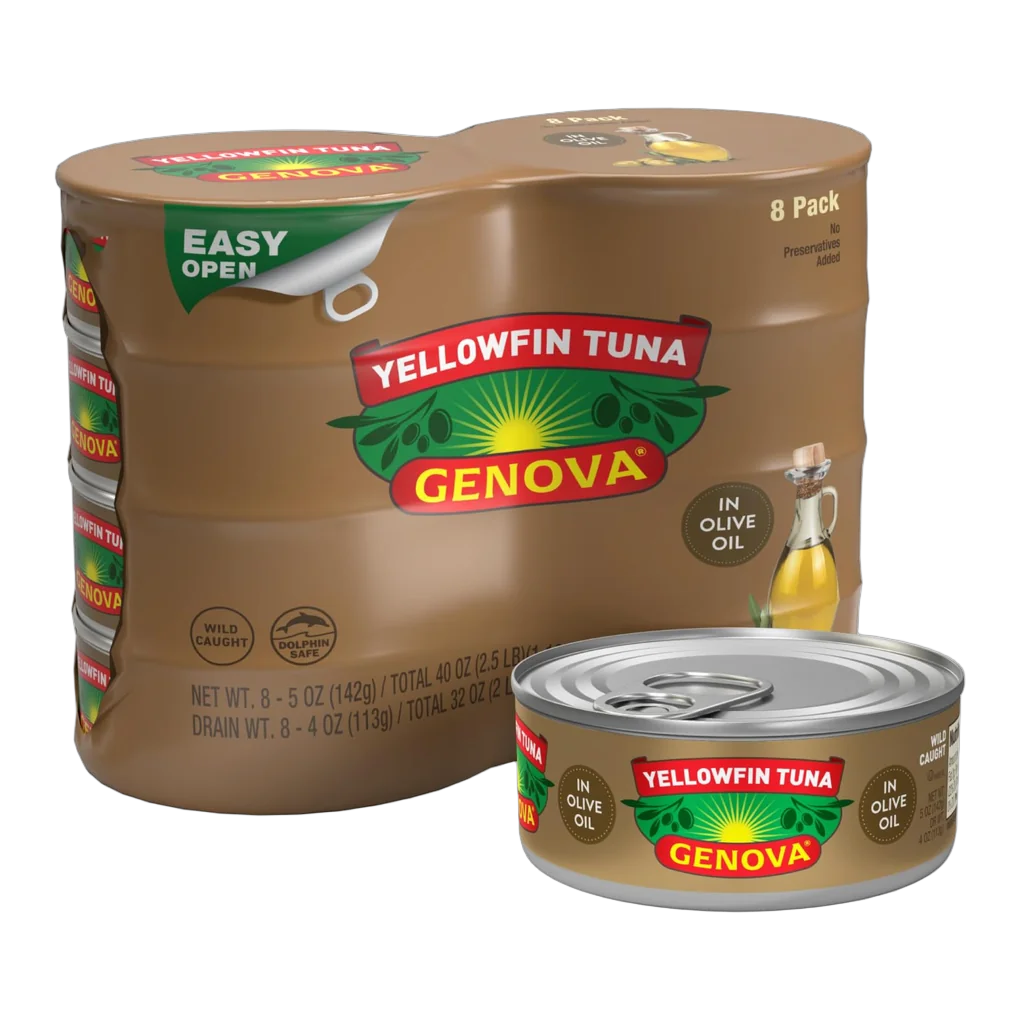
Packed in olive oil rather than soybean oil.
Picked for: Canned tuna where the oil is olive.
Price: $18.09 for eight 5 oz cans.
Honestly Cranberry Unsweetened Dried Cranberries
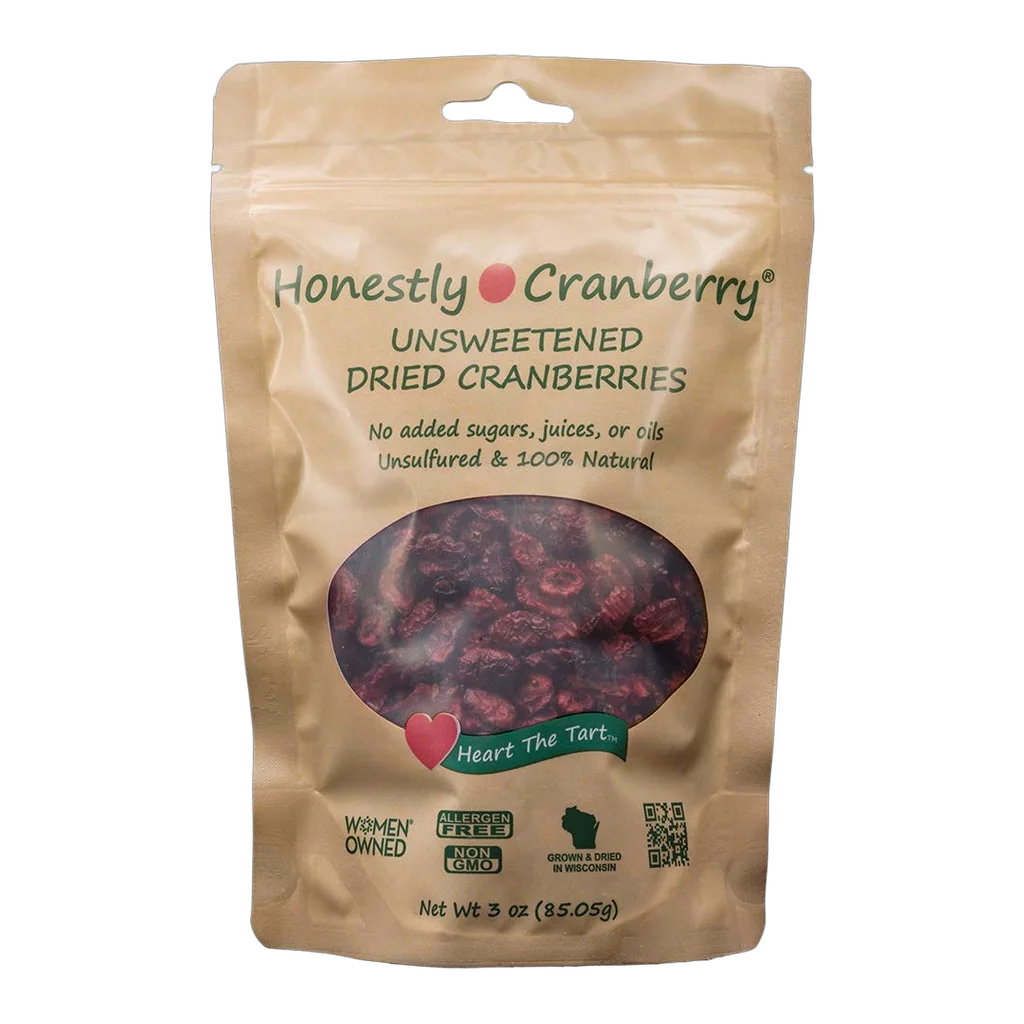
Wisconsin grown, with no added sugar, juice or oil, per the listing.
Picked for: Dried cranberries without the sunflower oil coating.
Price: No price showed on Amazon when I looked on September 26.
Primal Palate Organic Taco Seasoning
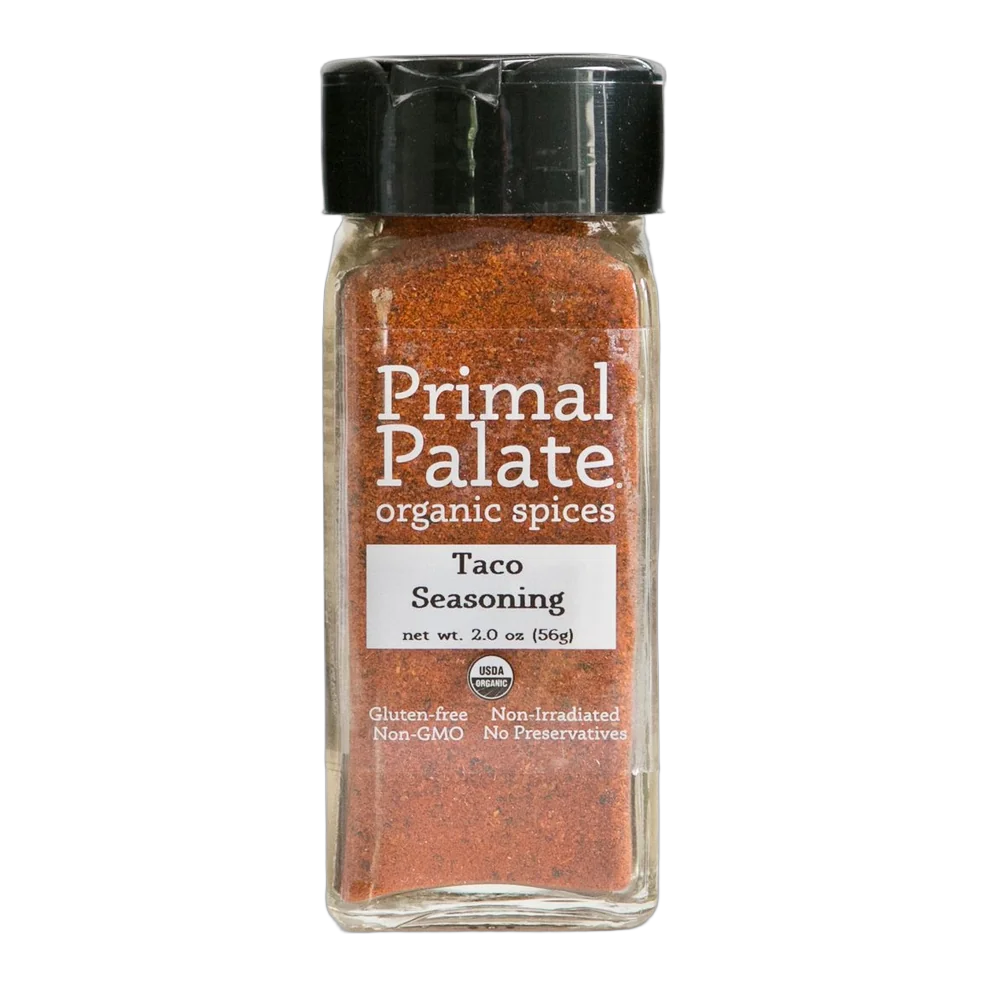
Organic spices and nothing used as an anti caking oil.
Picked for: A taco blend without fillers.
Price: $9.45.
The 30 Minute Kitchen Audit
If you’ve read this far and you’re ready to check your own kitchen, here’s how I’d do it if I were starting over.
Your Saturday Morning Game Plan
- Grab a trash bag and your phone. Trash bag for the stuff you’re done with. Phone for photographing labels of things you want to research replacements for later. Don’t try to find the replacement in the store that same day or you’ll be there for hours.
- Start with the fridge door. Every condiment, every sauce, every dressing, the creamer, the butter substitute if you have one. This is where the most obvious wins are.
- Hit the pantry next. Bread, crackers, chips, peanut butter, granola, protein bars, oatmeal, canned stuff. Turn every single thing around and read the back.
- End with the freezer. Frozen meals, pizza, waffles, breakfast sandwiches, ice cream. Brace yourself. This one hurts.
- Pick your top three to five swaps. Don’t replace everything at once. Figure out which products you eat most often. Replace those first. The rest can happen over the next few weeks as you run out of things.
Frequently Asked Questions
Nah. Finish what you’ve got. When it’s time to rebuy, that’s when you grab the cleaner version. Dumping $200 worth of groceries in the trash is dramatic and unnecessary. The goal is to stop bringing new seed oil products into your kitchen. Let the old stuff run its course.
They do. I’m not going to pretend I have a medical degree or that the science is 100% settled on this. What I will say is that industrial seed oil consumption has gone up something like 1,000x in the last hundred years, and we’re still figuring out what that means long term. My personal take: even if you’re totally agnostic on the health debate, products without seed oils tend to use better ingredients overall. Higher quality fats, fewer additives, shorter ingredient lists. You end up eating better food almost by accident.
Prioritize ruthlessly. Swap your cooking oil, mayo, and bread first. Those three changes cover a huge chunk of daily intake and add maybe $10 to $15 per month to your grocery bill. After that? The single cheapest way to avoid seed oils is to eat less packaged food in general. An apple doesn’t have seed oils. Neither does a chicken breast or a bag of rice. The seed oil problem is mostly a processed food problem.
Technically no. It comes from the fruit of the palm tree, not a seed. The omega-6 profile is different from soybean or canola. Most people in the seed oil avoidance community consider palm oil acceptable from a health standpoint, though it has real environmental concerns related to deforestation. I don’t reject a product solely because of palm oil, but I also don’t go out of my way to eat it. It’s a gray area I’m comfortable living in.
No. Please don’t become the person who won’t go to a restaurant because of fryer oil. Your everyday kitchen choices are what move the needle. If you’re cooking clean at home 80 to 90% of the time, the occasional restaurant meal is not going to undo all of that. Life is short. Eat the fries sometimes.
Your First Three Swaps
If I had to start over, these are the first three things I’d change:
1. Cooking oil. Ditch the canola and vegetable oil bottles. Get avocado oil for high heat stuff and extra virgin olive oil for everything else. This single change affects literally every meal you cook at home. Personally I use algae oil for high heat because it has the highest smoke point and zero flavor, but avocado oil is the more common starting point. We wrote a full breakdown of the best seed oil free cooking oils if you want help picking. We also keep duck fat (Epic Duck Fat on Amazon) for homemade fries and Wagyu beef tallow (South Chicago Packing on Amazon) for chicken tenders and chicken parm. Once you’ve fried something in duck fat or tallow, you’ll never go back to seed oil frying again. It’s not even close.
EPIC Rendered Duck Fat (11 oz jar)
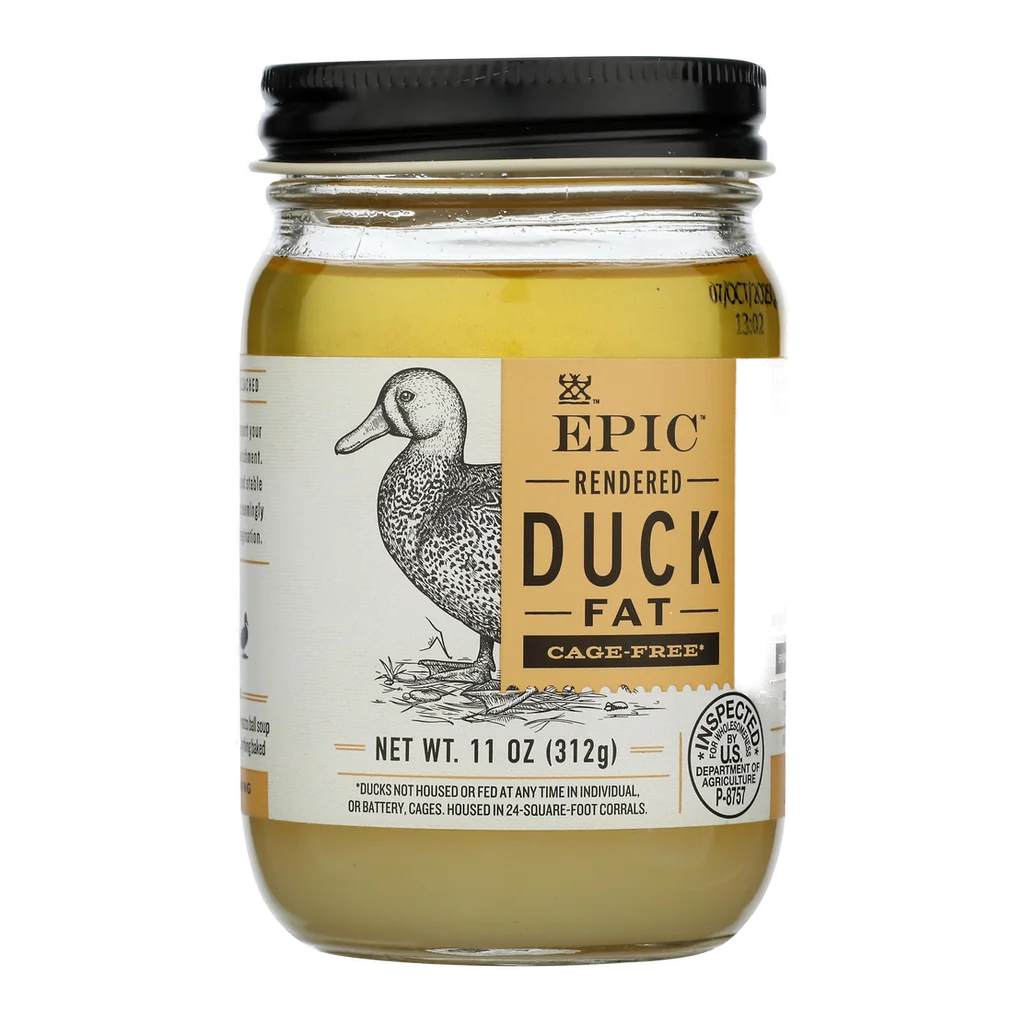
Rendered duck fat in a glass jar, for fries and roast potatoes.
Purchase signal: Duck fat is a favorite of mine. This brand is not in my Amazon history.
Price: No price showed on Amazon when I looked on September 26.
South Chicago Packing Wagyu Beef Tallow
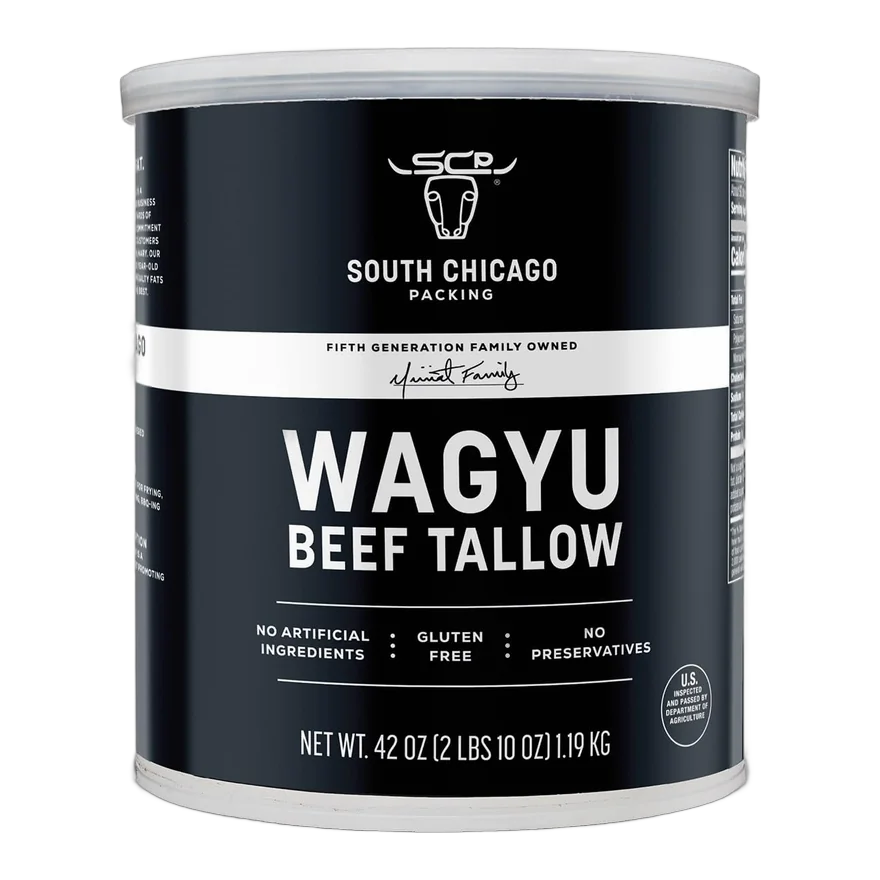
A 42 oz tub of Wagyu tallow.
Purchase signal: Twice, in 2023 and again in 2025.
Price: $29.69 for 42 oz on September 26.
2. Mayo. 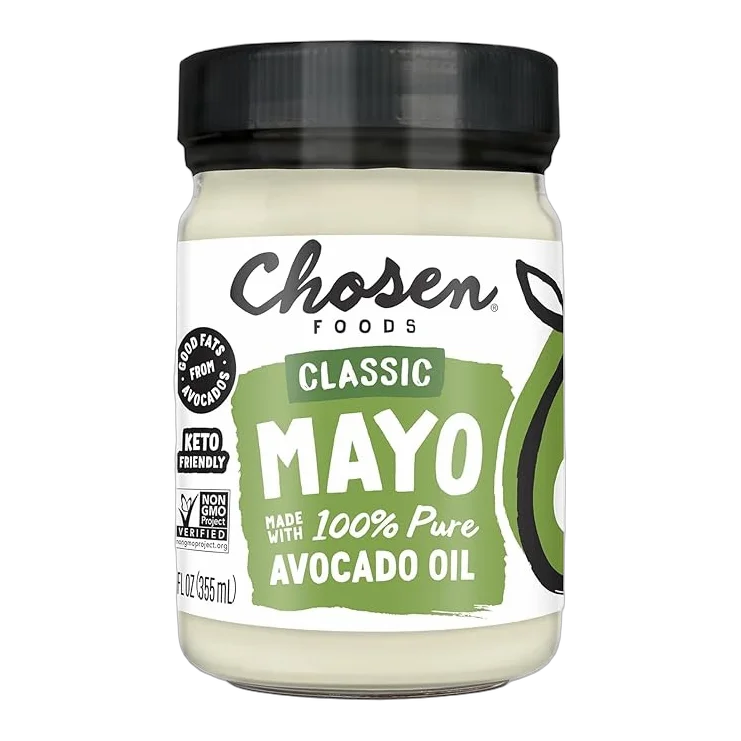 Chosen Foods Classic Avocado Oil Mayo. It tastes like mayo should taste. First ingredient is avocado oil instead of soybean. That’s the whole difference, and it’s a big one.
3. Bread. Ezekiel bread from Food for Life, or just start buying from a local bakery. Most people eat bread every day. If your daily bread has soybean or canola oil in it, that’s a constant low level source you can easily eliminate.
After those three? Work through the rest of this list at whatever pace makes sense for you. Replace things as they run out. Don’t try to do a complete kitchen overhaul in one trip or you’ll spend $400 and your partner will not be happy with you.
I still find new products in my kitchen with seed oils in them every couple weeks. Last Tuesday it was a bag of croutons. The week before that, a jar of roasted red peppers packed in soybean oil. And just last night I grabbed my chipotle sauce out of the fridge and found canola oil on the label. Replaced it with Louisiana Pepper Exchange Chipotle Pepper Puree, which is just peppers, vinegar, and spices. The game doesn’t end. You just get faster at catching them.
Louisiana Pepper Exchange Chipotle Pepper Puree
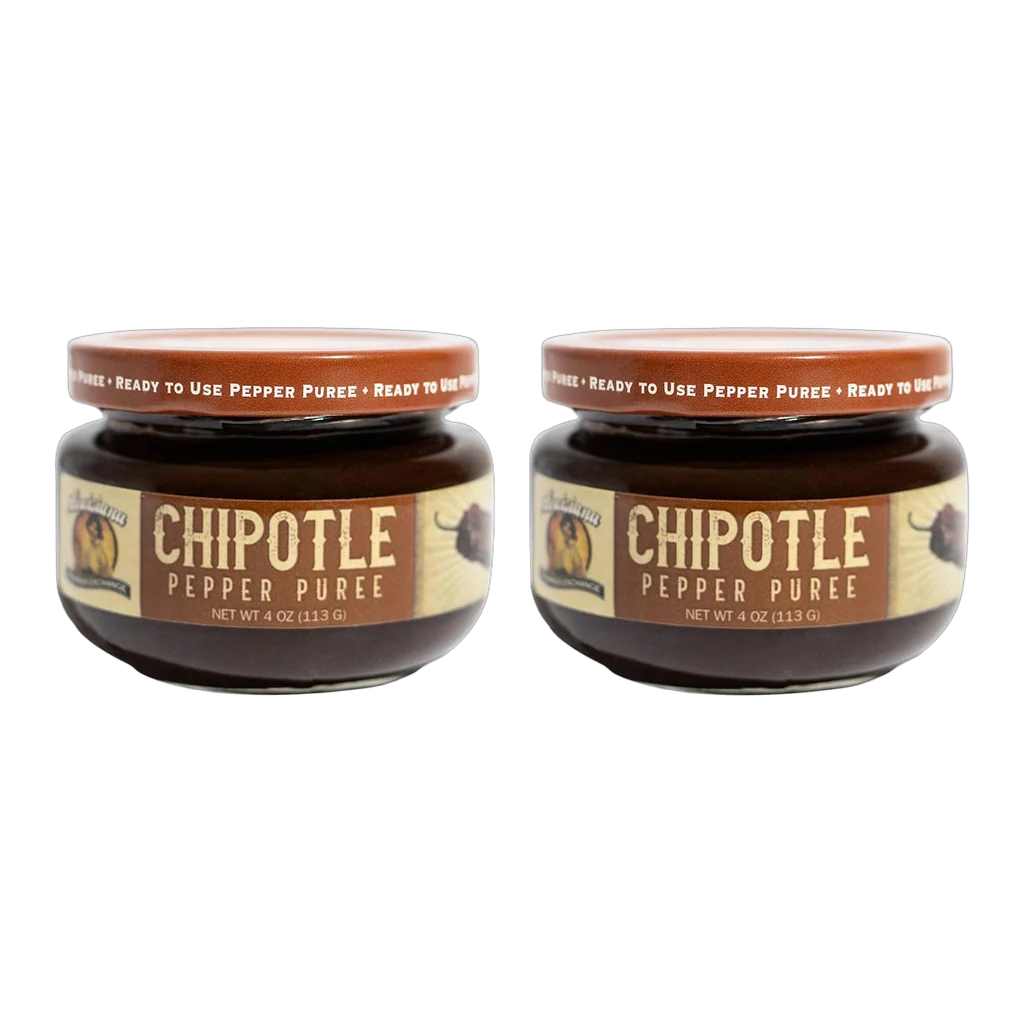
Two squeeze bottles to a pack, for the fridge door.
Picked for: A chipotle sauce with no canola oil.
Price: $14.99 for a 2 pack.
Want to understand why these oils are in everything in the first place? I wrote a full explainer on what seed oils actually are. For snack specific swaps, check out our seed oil free snacks guide. And if you’re rethinking your cooking oils (you should be), here’s our breakdown of the best seed oil free cooking oils and a look at which oils are actually good for your heart. While you’re at it, your cookware probably deserves a look too. We put together a full guide on non-toxic cookware that’s actually worth buying.
Related reading: Best Seed Oil Free Condiments · What Are Seed Oils? · Best Seed Oil Free Snacks · Best Seed Oil Free Cooking Oils and Fats · Tallow vs Lard · Heart Healthy Cooking Oils · Non-Toxic Cookware · Why I Avoid Seed Oils · Avoiding Seed Oils When Eating Out · Best Water Filters for Home · Best Healthy ALDI Finds