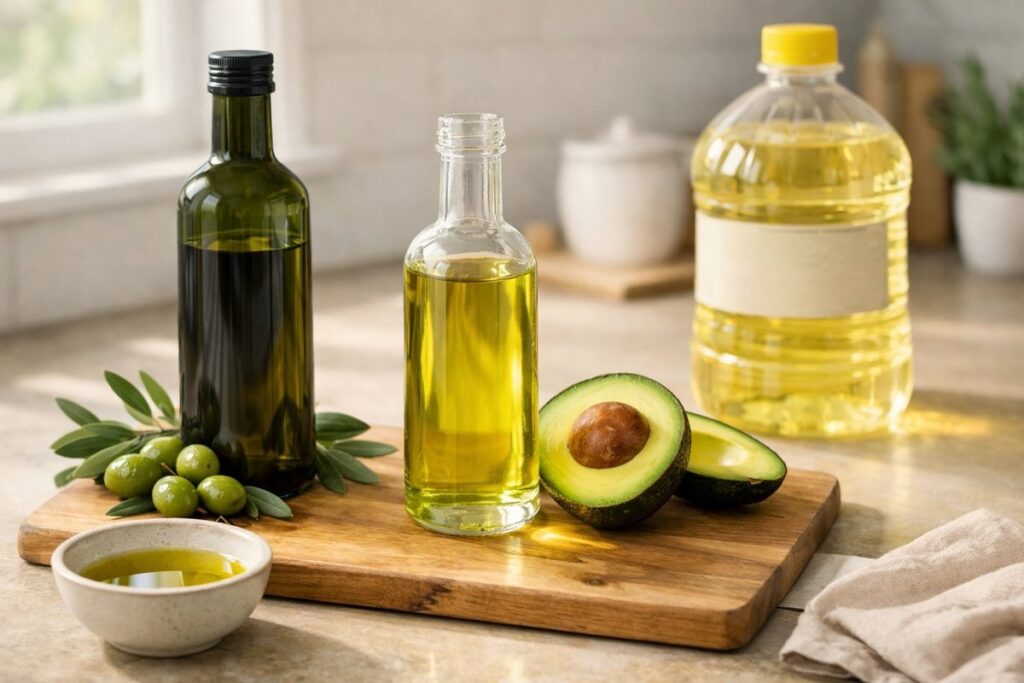
The term “vegetable oil” covers everything from olive oil to soybean oil. Here’s how to tell the difference between the ones worth buying and the ones you should leave on the shelf.
In This Article
I got into an argument at a dinner party last year. Over cooking oil. That’s where I’m at in life now.
My buddy’s wife had grabbed one of those big yellow plastic jugs from Costco. Bottom shelf. Two dollars. “Vegetable oil.” She told me it was healthy because, quote, “it comes from vegetables.” I made the mistake of opening my mouth. Told her that’s the same logic as calling a hot dog a salad because there’s relish on it. That jug is soybean oil. From a bean. That gets blasted with hexane, a petroleum solvent, during processing. I wouldn’t call that a vegetable.
Haven’t been invited back since. (Obviously, just kiddin.)
But she’s not wrong to be confused. You, my treasured reader, probably already know this, and I salute you. For the newbs, the phrase “vegetable oil” might be the single most worthless term in any grocery store. It sticks olive oil next to refined soybean oil like they’re cousins. Same shelf. Same aisle. Completely different animals once you zoom in past the label.
This article is the thing I wish existed three years ago when I first started caring about this stuff. What deserves a spot in your kitchen, what doesn’t, and why the front of the bottle is working harder to confuse you than inform you.
The Naming Problem Nobody Talks About
Rant warning. I’ll keep it quick, but this one genuinely irritates me.
“Vegetable oil” is not a thing. It’s a catch all label slapped on whatever plant fat happens to be inside. Olive oil, canola, coconut, safflower, corn: all technically “vegetable oil.” The term tells you nothing. That generic jug on the bottom shelf? Flip it over. Soybean oil. Nearly every time.
And the labeling gets shadier. Some bottles say “vegetable oil blend” or use weasel phrasing like “contains one or more of: soybean oil, canola oil, corn oil.” Translation: they rotate between whichever bean is cheapest that quarter. You’re cooking with a mystery fat that swaps itself out every few months. Nobody tells you.
This would be fine if plant oils were all similar. They’re not. Olive oil is 73% monounsaturated fat. Safflower? 78% polyunsaturated. Coconut? 82% saturated. Three completely different chemical profiles crammed under one word on a label.
Every “Vegetable Oil” Broken Down
I spent way too long putting this table together, but I think it’s the clearest way to show what’s actually going on. Two columns are doing most of the work here. PUFA percentage, because the higher that number goes, the faster the oil falls apart in a hot pan. And the omega-6 to omega-3 ratio, because a bigger number there means more inflammation potential piling up in your body over time.
| Oil | Main Fat Type | PUFA % | Omega-6:3 | Smoke Point | Verdict |
|---|---|---|---|---|---|
| Extra Virgin Olive Oil | Monounsaturated (73%) | 10% | 13:1 | 375°F | Best overall |
| Avocado Oil (refined) | Monounsaturated (70%) | 13% | 13:1 | 480-520°F | Best for heat |
| Coconut Oil | Saturated (82%) | 2% | N/A | 350°F | Good, niche uses |
| Algae Oil | Monounsaturated (90%+) | 2-4% | N/A | 535°F | Excellent if budget allows |
| Canola Oil | Monounsaturated (63%) | 30% | 2:1 | 400°F | Context dependent |
| Peanut Oil | Monounsaturated (46%) | 32% | No omega-3 | 450°F | Okay for occasional use |
| Sesame Oil | PUFA/MUFA split | 42% | 138:1 | 410°F | Flavor only, small amounts |
| Soybean Oil | Polyunsaturated (58%) | 58% | 8:1 | 450°F | Avoid |
| Corn Oil | Polyunsaturated (55%) | 55% | 50:1 | 450°F | Avoid |
| Sunflower Oil | Polyunsaturated (66%) | 66% | 60:1 | 440°F | Avoid |
| Safflower Oil | Polyunsaturated (78%) | 78% | 77:1 | 510°F | Avoid |
| Cottonseed Oil | Polyunsaturated (52%) | 52% | High | 420°F | Avoid |
| Grapeseed Oil | Polyunsaturated (66%) | 66% | 700:1 | 420°F | Avoid |
Stare at that table for a second. The green rows? All under 15% PUFA. The red rows? North of 50%. We’re not talking about subtle differences here. These are fundamentally different substances wearing the same “vegetable oil” costume at the store.
The Ones Worth Buying
Extra Virgin Olive Oil
Desert island oil. One oil for the rest of my life? EVOO. Not even a hard decision.
Most of the fat is oleic acid, a monounsaturated fat that handles heat way better than the polyunsaturated stuff in seed oils. OK, that matters, but that’s not the exciting part. The exciting part is polyphenols. Those are antioxidant compounds sitting inside the oil, and they basically act like bodyguards for the fat molecules. Heat rises, polyphenols jump in and slow the whole breakdown process. That’s why, in actual frying experiments, EVOO beats sunflower oil even though sunflower has a higher listed smoke point. Smoke point has been a red herring this whole time and most people still don’t know that.
Problem is, finding the real thing is a nightmare. A huge chunk of what American stores sell as “extra virgin” is diluted with cheap filler oil, or it’s been parked on a shelf so long that any beneficial compounds are toast. UC Davis ran tests on imported bottles a while back. About 70% failed to meet extra virgin standards. Seven out of ten bottles. So yeah, if your olive oil doesn’t really taste like anything? It probably isn’t anything. Real EVOO has this peppery bite. First time I tried a good bottle, I coughed. Like, actually coughed. Thought something was wrong with it. Turns out that throat burn IS the polyphenols, and you want that.
I pour it on salads, drizzle it over food after cooking, saute veggies on medium, dip bread in it. When I need real heat I reach for avocado oil or tallow instead. But that’s me being picky, not a safety requirement. The research is pretty clear that EVOO tolerates frying temps way better than most people assume.
Avocado Oil (Refined)
My brother in law asked me last Thanksgiving, “what do I cook with instead of Crisco?” This. This is the answer. Refined avocado oil takes 480 to 520 degrees like it’s nothing. Barely any flavor. Fat profile mirrors olive oil pretty closely: mostly monounsaturated, PUFA is low. Only thing missing is the polyphenol layer that makes EVOO special.
Couple of things to know before you buy. One: it needs to be the refined version. I know “cold pressed” and “extra virgin” avocado oil sounds more premium, but those unrefined compounds break down at high heat. Two: avocado oil fraud is rampant. Possibly worse than olive oil. UC Davis ran a study in 2020, tested a bunch of store bought bottles, and 82% were either oxidized or mixed with cheaper stuff. So brand selection matters here. I’ve gone through maybe a dozen bottles of Chosen Foods at this point and haven’t had a bad one yet.
Coconut Oil
Straight numbers: 82% saturated fat, 2% PUFA. Sits on the counter as a solid block until you melt it. Chemically speaking, this thing barely flinches when you throw it in a hot pan. If stability was the only thing I cared about, coconut oil would rank right near the top.
But here’s where it falls apart for me. The taste. Oh man, the taste. I made scrambled eggs in virgin coconut oil one Saturday morning and my 8-year old looked at me and said “Dad, why do these eggs taste like sunscreen?” That kid wasn’t wrong. Thai curry is one thing. Coconut belongs in Thai curry. But eggs? Pasta? A regular Tuesday dinner? It’s just too much. I tried the refined version hoping it’d be neutral but I can still pick up this sneaky sweetness in savory food and it gets under my skin every time.
Everyone asks about saturated fat. I get this question in my inbox at least twice a week. The AHA says limit it. Meanwhile, several meta analyses went digging for that saturated fat equals heart disease connection and came up empty handed. Both things are true simultaneously, which should tell you everything about where the science is at. I use coconut oil here and there, but I lean mostly on olive oil and avocado oil for the everyday stuff. Full disclosure: I’m a dude with a blog and a lot of PubMed tabs open. Not a cardiologist. This question is still being fought over by people with actual medical degrees.
Algae Oil
This one is newer and kind of wild. Over 90% monounsaturated fat. PUFA somewhere around 2 to 4%. And a smoke point of 535 degrees, which blows past everything else on this list. I’ve been cooking with algae oil for a while now and the stability caught me off guard. No flavor transfer. You can reuse it across multiple frying sessions. The oil comes out looking the same as when it went in. I’ve never seen a plant oil do that before.
The issue? Money. Algae oil is not cheap. Per ounce, it costs meaningfully more than olive oil or avocado oil, and for Tuesday night dinner that’s a tough sell. I wouldn’t recommend it for deep frying because you’d burn through a bottle in one session and hate yourself at checkout. But for pan frying and searing, where you only need a couple tablespoons, it’s incredible. If you’re specifically looking for a plant based fat that can compete with tallow for heat stability, this is the one I’d point you toward. Algae Cooking Club is basically the only brand making it for home cooks right now.
The Ones to Skip
Open up that generic “vegetable oil” jug and one of these is what’s actually inside. They all share the same basic problem: way too much polyunsaturated fat, omega-6 ratios that make you do a double take, and a refining process that removes anything the plant originally had going for it.
Soybean Oil
I don’t use the word “garbage” casually, but soybean oil earns it. This single oil accounts for more fat in the American diet than every other added fat combined. Processed food? Full of it. Restaurant fryers? Running on it. The ketchup and mayo in your fridge? Check the back. When a package just says “vegetable oil” and leaves it at that? Soybean. Nearly 100% of the time.
58% PUFA. That is not a cooking oil. That is a chemistry experiment waiting to go wrong when you add heat. When you heat soybean oil, it spits out high levels of 4-HNE and a bunch of other aldehydes. Nasty stuff. And that 8:1 omega-6 to omega-3 ratio looks almost reasonable on paper, until you remember that nobody eats soybean oil “in isolation.” It’s in the crackers at 10am, the sandwich at lunch, the restaurant dinner, the salad dressing. Stack all of that together and the total omega-6 load from this single oil drags your whole dietary ratio into the ditch. The food industry picked this oil for you. Not because it’s good. Because soybeans are federally subsidized and the oil costs next to nothing.
Corn Oil
50:1 omega-6 to omega-3 ratio. I’ll say it again because I had to double check it myself. Fifty. To one. And somehow Mazola still slaps a heart on the bottle like that means something. At 55% PUFA, corn oil starts oxidizing fast once you heat it. You get significant polar compound buildup after just a couple of frying rounds. Yes, corn oil can nudge LDL cholesterol down. That’s a real finding. But it’s a very narrow finding that doesn’t account for what else is happening inside your body when you’re regularly consuming oxidized polyunsaturated fat.
Sunflower and Safflower Oil
By the numbers alone, these two are the worst. Standard sunflower comes in at 66% PUFA with a 60:1 omega-6 ratio. Safflower goes even further: 78% PUFA, 77:1. The marketing calls them “light.” Calls them “heart healthy.” And the entire basis for that claim is that they’re low in saturated fat. That’s it. Never mind that their polyunsaturated content makes them break down under heat faster than basically anything else you could pour in a pan.
Now, I need to be fair here. High oleic versions of both these oils exist, and those are a whole different ballgame. What breeders did was basically rewire the plant so the fat comes out mostly monounsaturated instead. PUFA drops into single digits. If you spot “high oleic sunflower oil” on a label, that’s a completely different product than what’s sitting next to it on the shelf. Some decent chip brands use it. But the standard sunflower and safflower oil on the shelf at your grocery store is not the high oleic variety, and those are the ones I won’t touch.
Grapeseed Oil
This one bugs me more than any other oil on this list. It gets a free pass from food bloggers, recipe writers, people who really should be checking the numbers before they recommend things. Every food blogger and their cousin calls it “delicate” and “neutral.” Sure, yeah, it tastes mild. I’ll give it that. But open up the nutrition data and it’s sitting at 66% PUFA with an omega-6 to omega-3 ratio north of 700:1. I need you to read that number again. Seven. Hundred. To one. The entire marketing angle is the word “grape,” which sounds healthy and natural. The oil itself is a waste product from winemaking and it has one of the most lopsided fatty acid profiles of any oil you can buy.
Cottonseed Oil
Cotton is not food. I feel like that should end the conversation, but here we are. It’s grown as an industrial crop, sprayed with pesticides at levels that would get rejected in a heartbeat if anyone tried applying those same rates to something meant for human consumption. The oil squeezed from those seeds carries 52% PUFA and a heavy omega-6 load. You’ll find it in bargain snack foods, cheap margarine, and some restaurant fryers that are cutting costs. The pesticide angle is unique to cottonseed oil. It’s a whole extra layer of “no thanks” on top of the PUFA problem.
The Gray Area Oils
Canola Oil (Rapeseed Oil)
I get yelled at from both directions on canola. The anti seed oil crowd treats it like poison. The dietitian crowd calls it one of the healthiest oils you can buy. They’re both wrong. Massively oversimplifying in opposite directions.
Look at the actual numbers. 63% monounsaturated. Only 30% PUFA. A 2:1 omega-6 to omega-3 ratio. Compare those to corn oil at 50:1 or sunflower at 60:1 and suddenly canola looks… pretty reasonable? The monounsaturated fat is mostly oleic acid, same as what makes olive oil so good. Reading those numbers, you’d think canola was a winner.
Then you cook with it and the numbers stop mattering. Canola gets hexane extracted, then refined, then bleached, then deodorized. Four processing steps before it touches a bottle. Every natural antioxidant the rapeseed plant started with? Gone before bottling. The fat composition on paper says “this should be fine.” The actual behavior in a hot pan says otherwise. You get more oxidation products than the PUFA percentage alone would explain, because there’s nothing left in the oil to fight back.
Where I land: I don’t buy it. But I’m also not going to panic if it shows up in food someone else cooked. If you’re on a tight budget and the decision is between canola and soybean oil, grab the canola. It’s not even close to the same tier as the red flagged oils above. Use up whatever bottle you’ve got and next time, try avocado oil or just plain butter.
Peanut Oil
Classic pick for Asian cooking, for deep frying, for anything where you want that specific nutty flavor doing some of the heavy lifting. 32% PUFA isn’t ideal but it’s not a disaster. The 46% monounsaturated content holds things together for one frying session reasonably well.
I wouldn’t use it every day. The PUFA is too high for regular rotation and I can tell it degrades after a couple uses in the fryer. But when I’m making pad thai and I want that peanut oil taste in there? I use it and I don’t think twice. Not every single meal needs to be a perfectly optimized health decision. Sometimes the food just needs to taste right.
Sesame Oil
Toasted sesame oil is a finishing touch, not a cooking fat. A teaspoon over fried rice right before serving? That’s flavor. That tiny amount of PUFA isn’t hurting anyone. The problem would be filling a wok with it, which… nobody does. The flavor is so aggressive it would bulldoze everything else in the dish.
There’s also light sesame oil, which some people do cook with. But at 42% PUFA, I’d rather grab something more stable if I’m doing any kind of regular stovetop work. Save the sesame for the last drizzle.
What I Actually Keep in My Kitchen
A couple years of reading papers, testing different fats in my actual kitchen, and yes, getting into arguments at dinner parties about polyunsaturated fatty acids. Here’s where I ended up.
Four things live on my counter. California Olive Ranch EVOO for salads, finishing, and anything medium heat. Chosen Foods avocado oil for when I need high heat and zero flavor interference. A stick of butter sitting by the stove because butter is butter and its PUFA content is about 3%. And a jar of Fatworks beef tallow for the serious frying jobs where I want stability that lasts.
That covers everything. I’m not juggling seven specialty oils. I’m not standing at the stove wondering which fat goes with which meal. Olive oil and butter handle about 90% of what I cook. Avocado oil and tallow pick up the rest. Simple.
Cost difference versus the jug of canola I used to buy every month? Probably ten bucks. Maybe fifteen on a heavy cooking month. And it might actually be less than that, because tallow lasts for months without going off, and I’m not throwing away cheap oil that starts smelling rancid after two uses.
Product Recommendations
California Olive Ranch Extra Virgin Olive Oil
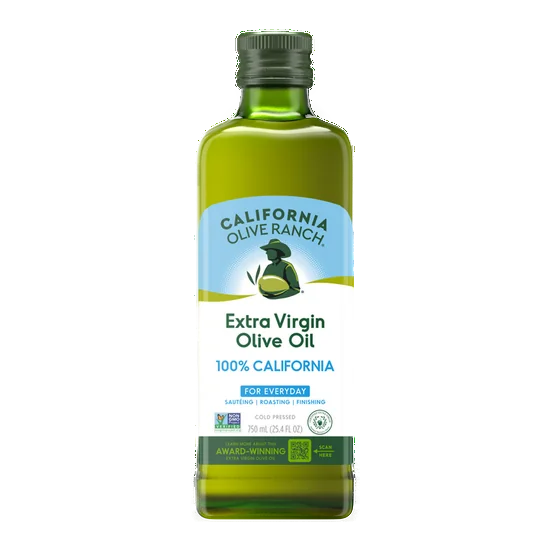
This is the one I grab most days. 100% California olives, which is important because imported EVOO is basically the wild west for fraud. This bottle actually tastes like olives. Peppery. Slightly bitter. Strong enough that a small pour covers you. I go through one roughly every three weeks between salads, drizzling over food, and light stovetop stuff.
Marianne’s Organic Avocado Oil (my pick over Chosen Foods)
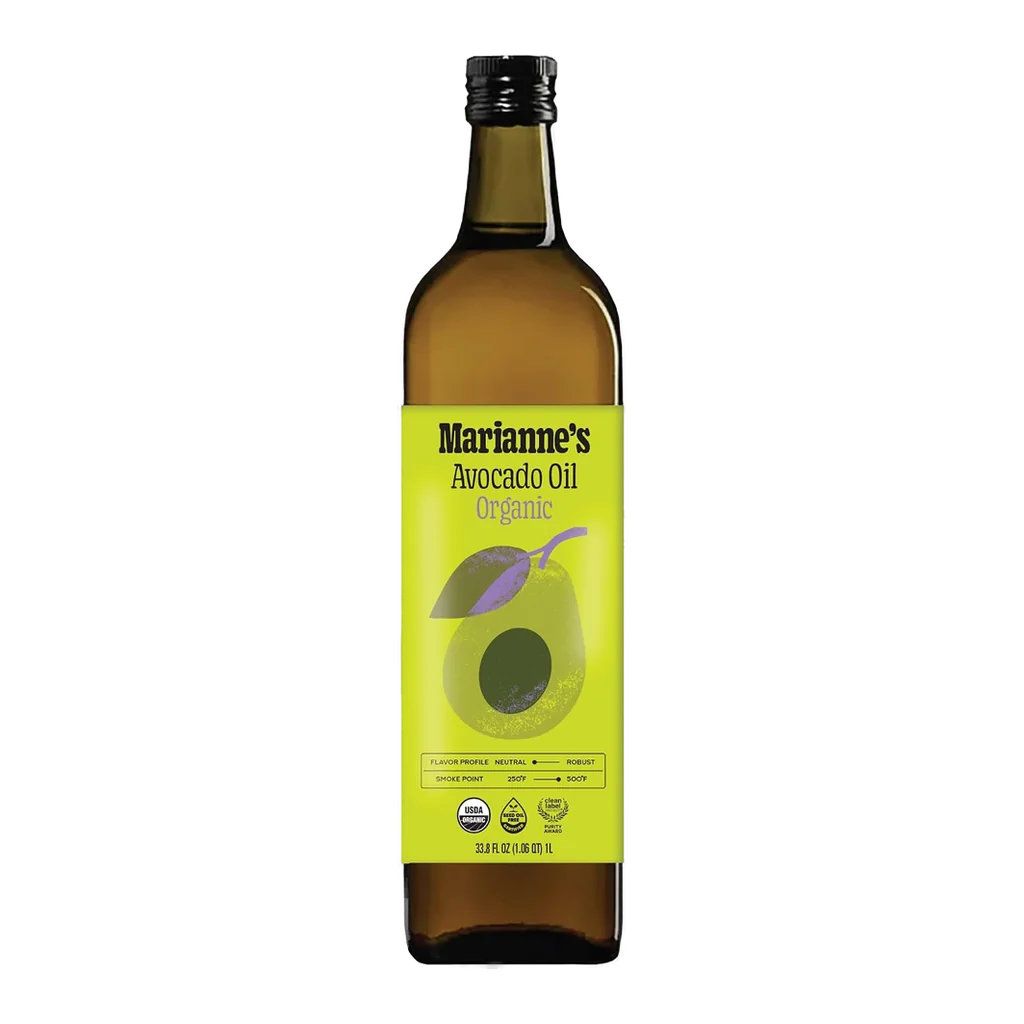
When UC Davis tested 22 bottled avocado oils in 2020, only two came back both pure and fresh. Marianne’s was one, Chosen Foods the other. Nobody has retested either bottle since, but between the two I think Marianne’s is much better.
Purchase signal: Bought and used.
Price: $37.65 for 1 liter when I checked on September 27, 2026.
Chosen Foods Avocado Oil
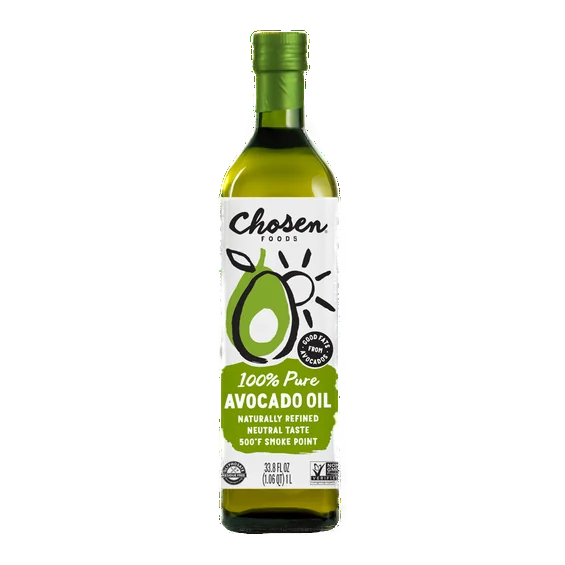
When someone tells me a recipe “needs” vegetable oil, I hand them this. It does everything that generic soybean jug does, without the PUFA disaster. Scrambled eggs, stir fry, roasting vegetables, greasing a baking pan. No off flavors, no guilt, no drama. Clean ingredient list too.
Fatworks Grass Fed Tallow
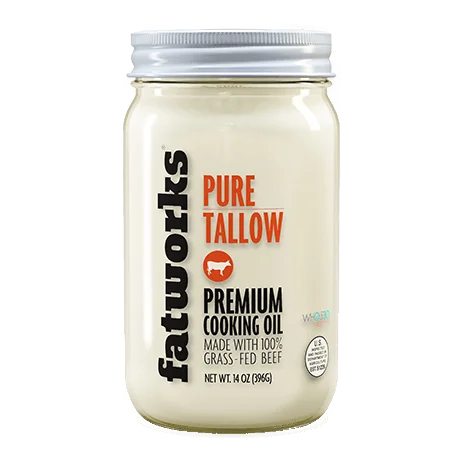
Yeah, not a “vegetable” oil. I included it anyway because most people searching for a healthy vegetable oil really just want to know what’s safe to cook with. Tallow answers that question hard. 2 to 3% PUFA. Reusable for months without degrading. And the taste… if you’ve never fried an egg in beef tallow, you don’t know what you’re missing. Do it once. You’ll understand.
Georgia Olive Farms Extra Virgin Olive Oil
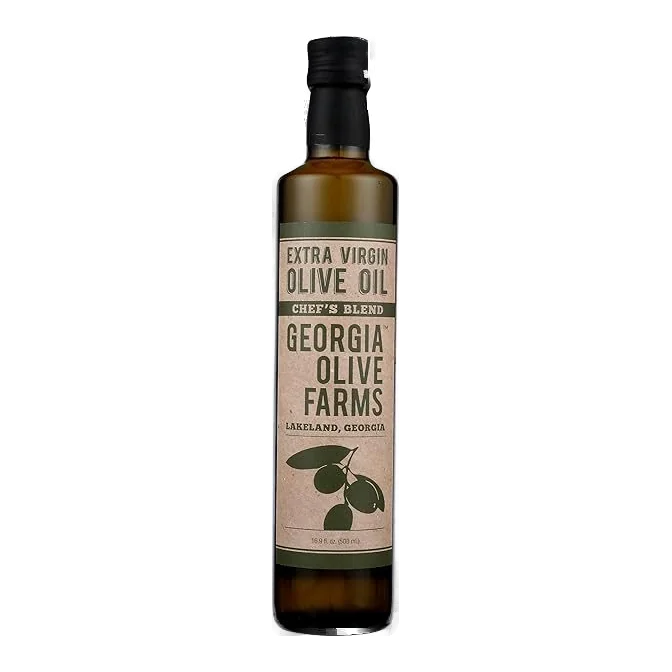
If you want to know what real, fresh EVOO tastes like, this is it. Georgia Olive Farms harvests yearly and you can taste the difference the second it hits your tongue. Peppery, slightly bitter, with that throat burn that tells you the polyphenol content is through the roof. This is the bottle that ruined grocery store olive oil for me. Not a cooking oil. This is a finishing oil, a salad oil, a “take a spoonful for your health” oil.
South Chicago Packing Co. Wagyu Beef Tallow
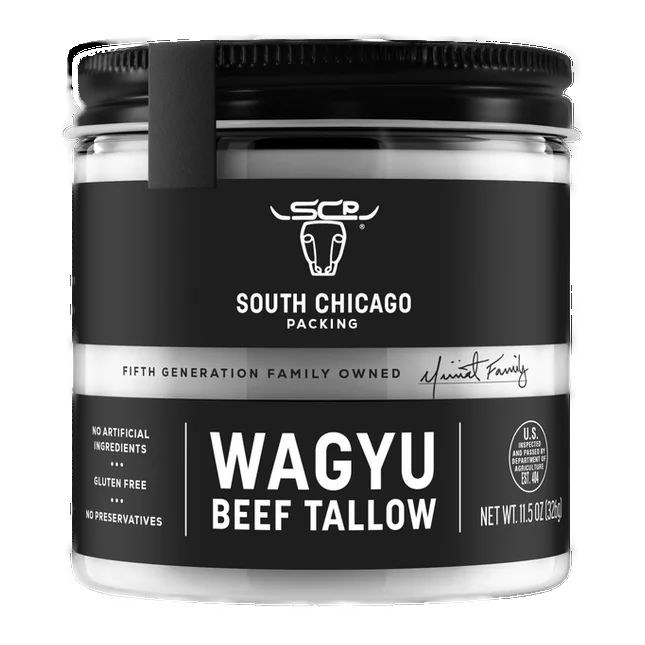
If you want tallow but the Fatworks price tag stings, this is your backup. American raised wagyu (not Japanese), clean render, mild flavor. I rotate between this and Fatworks depending on what’s in stock. For the price per pound, South Chicago is hard to beat and the quality is consistently solid.
Frequently Asked Questions
What’s the healthiest vegetable oil for frying?
If you only want plant oils, refined avocado oil. Best combo of high smoke point, mostly monounsaturated fat, and low PUFA you’ll find. If animal fats are on the table, tallow and ghee both outperform every plant oil I’ve tried for frying stability. I wrote a whole piece on frying oils if you want the deeper breakdown.
Is olive oil healthier than vegetable oil?
Depends what you mean by “vegetable oil.” If you mean that generic soybean jug, then yes, olive oil is in a completely different league. Fraction of the PUFA, way better antioxidant protection, decades of cardiovascular research behind it. If you’re comparing olive oil to avocado oil or coconut oil, that’s a closer call. Those are both solid choices, just for different reasons and different cooking situations.
Why do doctors still recommend vegetable oil?
The whole recommendation is built on one idea: swap saturated fat for polyunsaturated fat, LDL goes down, heart disease goes down. First part is true. LDL does drop. The second part is where it gets murky. Does lowering LDL specifically via oxidation prone PUFA oils actually reduce heart disease? Some studies say yes. The re analyzed Minnesota Coronary Experiment data said the opposite: people who lowered cholesterol with seed oils died at higher rates. That finding got buried for decades, by the way. National dietary guidelines move slowly and politically, so there’s a real lag between what newer research shows and what your doctor’s pamphlet says.
Is canola oil bad for you?
I covered this in the gray area section up top, but the short answer: the fat profile is better than most seed oils, but the processing wrecks whatever protective stuff the plant had going for it. It’s not poison. I wouldn’t freak out if someone cooked my dinner in canola oil. I’d eat it and not think about it again. But when I’m the one buying oil for my own kitchen, I pick something better. The price difference between canola and avocado oil just isn’t big enough to justify settling.
What about high oleic sunflower oil?
Totally different product from regular sunflower oil. Breeders basically rewired the fat profile so it’s mostly monounsaturated now instead of polyunsaturated. PUFA drops from 66% to single digits. If the label says “high oleic,” that’s actually a decent oil. Some chip brands like Siete use it. The catch is that most sunflower oil at the store is not the high oleic kind, and there’s no way to tell unless the label specifically says it. Standard sunflower oil is one of the worst cooking oils you can buy.
Can I just use butter instead of vegetable oil?
For most things, absolutely. Butter is around 3% PUFA. The rest is saturated and monounsaturated. It tastes great, it’s everywhere, and it costs about the same as a bottle of canola. Only real limit is the smoke point, which is 300 to 350 degrees for regular butter. That’s fine for eggs, for sauteing, for most stovetop cooking. If you need more heat, ghee (clarified butter) gets you up to around 450 degrees. Between those two, you can handle nearly everything without going anywhere near a seed oil.
Does it really matter if I just use a little vegetable oil?
One tablespoon in a recipe once in a while? Probably not worth losing sleep over. The problem is that nobody actually uses “a little.” You cook with it at home. It’s in every packaged food you buy. Every restaurant is frying in it. Add it all up and the average person is getting something like 3 tablespoons of soybean oil a day without making a single conscious decision to eat it. That volume changes the math on omega-6 in a real way. Switching what you cook with at home is the biggest lever you’ve got, because it’s the one piece you actually control.