
In This Article
- Seventeen years of the same water filter
- The fifteen dollar bottle that beat the thirty dollar one
- Someone accidentally bought me the control group
- Foam is foam
- Where the regret actually lives
- Ten years of cheap toothbrushes, all of it wasted
- The one I resent and buy anyway
- What actually predicts it
- Product Recommendations
- Quick questions
I have bought a lot of things for this house. Filters, supplements, shampoos, kitchen fats, recovery gear. If you added it up over twenty-odd years the total would be uncomfortable to look at.
Somewhere in the middle of that I stopped being able to predict which purchases would work out. Not because the products got harder to judge, but because the thing I had been using to judge them, price, turned out to carry almost no information at all.
Here are six that taught me that, and then the pattern I think actually holds.
Seventeen years of the same water filter
An under-sink reverse osmosis system was the most I had spent on anything for the kitchen at the time. I bought it because I looked up what was in my city’s water and did not care for the answer, which is a better reason than most of my purchases have. It is still installed. It has moved house with me more than once. I have bought the same system again as a setup for friends and family, which is the closest thing to a review I know how to give.
If you divide what it cost by the years it has run, it is the cheapest thing in this article by an enormous margin. That is the first useful idea: the sticker price of a durable thing tells you very little, because you are not buying the thing, you are buying years.
The catch is that it has a recurring cost, and the recurring cost is the part people forget. Filters every six to twelve months for the first stages, longer for the membrane. I wrote a whole post about what those filters have actually cost me over the years, because that is the number that decides whether one of these is a good idea for you, not the purchase price.
The fifteen dollar bottle that beat the thirty dollar one
For most of my adult life I have dealt with a flaky scalp, and over about a decade I have bought most of what the aisle sells.
The one I reach for when it genuinely flares is a cheap brown bottle of pine tar shampoo that costs around fifteen dollars and smells like a campfire. It works better on a real flare than the modern thirty dollar brand and better than the pharmacy option, both of which I own and both of which I have compared it against during bad stretches.
I have stopped trying to explain that and now simply accept it. It is covered properly in the shampoos I rotate, including the bit where pine tar dries my scalp out if I lean on it too hard, and the bit where persistent flaking is worth taking to a dermatologist rather than working through more bottles.
Fifteen dollars beating thirty is not a rule. But it happened, in a category where I had every incentive to believe the expensive thing was better.
Someone accidentally bought me the control group
The most I have spent on anything for recovery is a Theragun. I would buy it again without pausing.
I would not be able to tell you that with any confidence except that a family member gave me a cheap massage gun as a gift, not knowing I already had one. So for a while I had both, which is a comparison I would never have paid to run.
They are not the same tool. Press the cheap one into anything thick and the motor stalls out. The Theragun does not. That is the whole difference and it turns out to be the thing I wanted. The full version of that story, along with the rest of what I actually use, is in the recovery tools post.
This is the clearest case I have where paying up was correct. It is also, and I want to be honest about this, the only one where I had a controlled comparison. Everywhere else I am guessing, and so are you.
Foam is foam
The thick foam mat on my floor cost about thirty dollars. The same mat, same thickness, same everything that matters, sells under the Amazon Basics label for about twenty-two.
There is no interesting lesson in that beyond the obvious one, which is that some categories are genuinely commodities and the only thing the brand is selling you is the brand. Foam is foam. Buy the cheap one.
Where the regret actually lives
I bought a HoMedics back massager somewhere in all this. It was fine.
That is my entire review, and it is the worst outcome on this page. A cheap thing that works is a bargain. An expensive thing that works is defensible. A mid priced thing that is merely okay is just money you no longer have, and I would not buy it again.
I have not linked it anywhere on this site, including here. While I am on the subject: I have not found a foot massager worth owning either, and I am not going to link one to pad out a list.
Ten years of cheap toothbrushes, all of it wasted
Since cheap is not automatically right either: I bought bamboo toothbrushes for something like ten years. Ten for ten dollars. Excellent value on paper.
They were labelled medium and arrived very soft, every time, and eventually I noticed I was pressing harder to feel like anything was happening, which is the wrong instinct to build with a toothbrush. I went back to the electric I already owned. Ten years of cheap purchases, all quietly wasted, because the product did not do the job.
That story is in the bathroom swaps post, along with the conventional drugstore body wash I have never replaced.
The one I resent and buy anyway
Bone broth. Kettle & Fire in particular has become wildly expensive, and I keep a stack in the pantry anyway.
I am including it because it does not fit any of the neat conclusions above. It is not worth the money on any rational measure. I buy it because it is useful in a specific situation, easing back in after a longer fast, and because when I want it I want it already made. If you buy it too, get it at Costco, which is meaningfully cheaper per unit than anywhere I have found online.
Sometimes the honest answer is that you are paying for convenience and you know it. I would rather say that than build a health argument on top of a purchase I made for lazier reasons. The same goes for the jar of mayonnaise in my fridge, which I have written about twice now.
What actually predicts it
Six purchases, and price predicted nothing. Three other things did, as far as I can tell.
The first is whether the cost recurs. A one time price is a number you pay and forget about. A recurring one is a subscription you never agreed to. The water system looked expensive and was not, because it lasts and because the filters turned out to be the real number. Anything that eats cartridges or refills deserves a look at the running total before you commit to the housing it sits in.
The second is whether you can feel the difference straight away. With the massage gun it was obvious the first time I leaned on it. With the mid priced back massager I had to squint, and squinting is the tell. If you cannot feel it in the first week you will not feel it in the first year.
The third one took me years to notice and it is the one I would pass on to anybody starting out. Everything that survived in this house slotted into something I was already doing. Everything that needed me to build a new habit around it is in a closet, whatever it cost. That has nothing to do with the product.
There is a fourth, though it is less a principle than a warning. In a commodity category the premium is just branding. Foam mats, plain soap, basic vitamins. Pay the least you can and stop thinking about it.
None of that is a formula. It is a better set of questions than the one I was actually using, which was to look at two prices and quietly assume the higher one knew something I did not.
Product Recommendations
Packer’s Pine Tar Shampoo
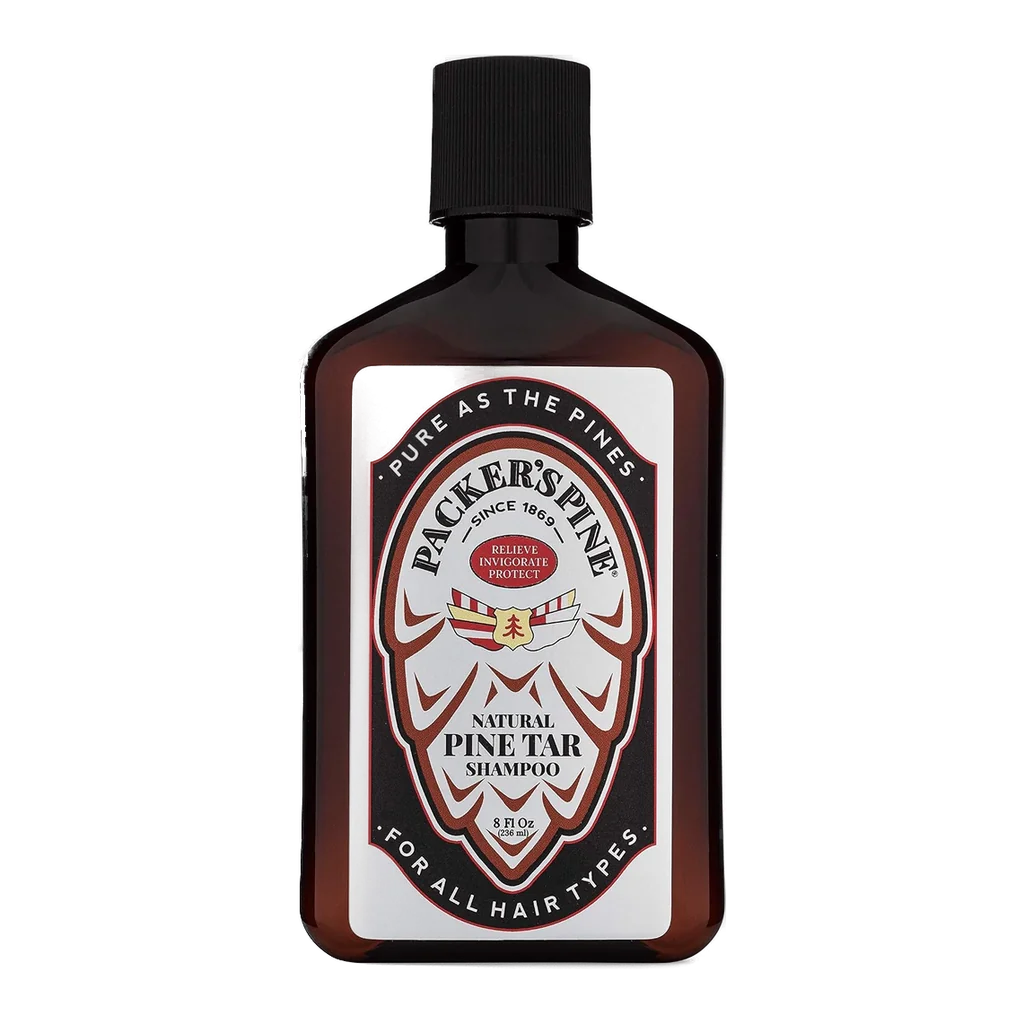
The cheap winner. Around fifteen dollars, smells like a campfire, and it is what I reach for when my scalp genuinely flares, ahead of the pricier brand and the pharmacy option I also own. Drying if you overuse it.
Purchase signal: Repeat buy · going on ten years
Price: Around $14.99.
Theragun Percussive Massage Gun
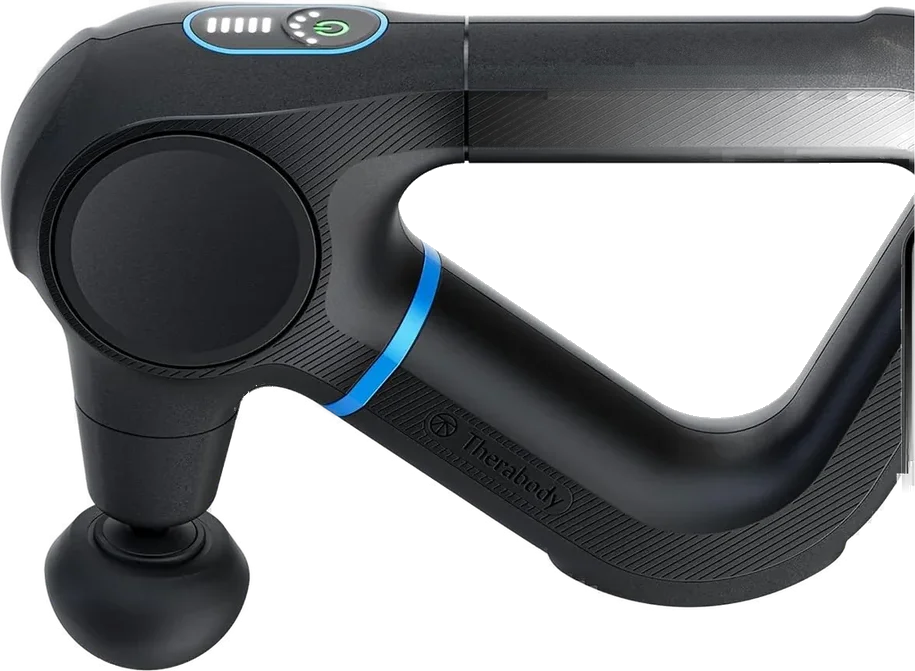
The expensive winner, and the only one on this page I can back with an actual side by side, because someone accidentally gave me the cheap version to compare it against. Mine is a couple of generations old and still running.
Purchase signal: Owned for years · would pay the same again
Price: Around $329.99.
APEC ROES-50 Under-Sink RO System
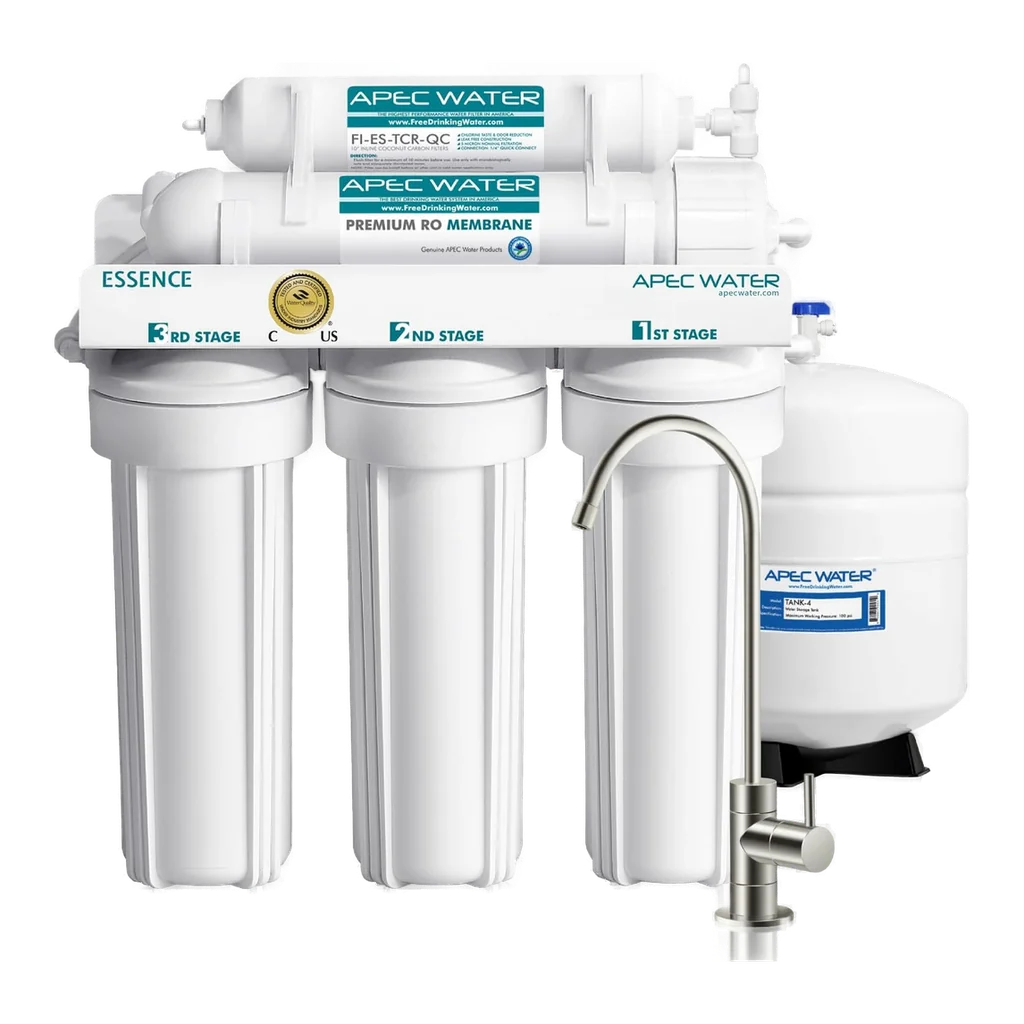
The durable winner. Still installed, has moved house with me more than once, and I have bought the same system again for other people. Divide the price by the years and it is the cheapest thing here. Budget for filters, not just the unit.
Purchase signal: In use for closer to twenty years than ten · bought again for others
Price: Around $195.65.
Amazon Basics Extra Thick Exercise Mat
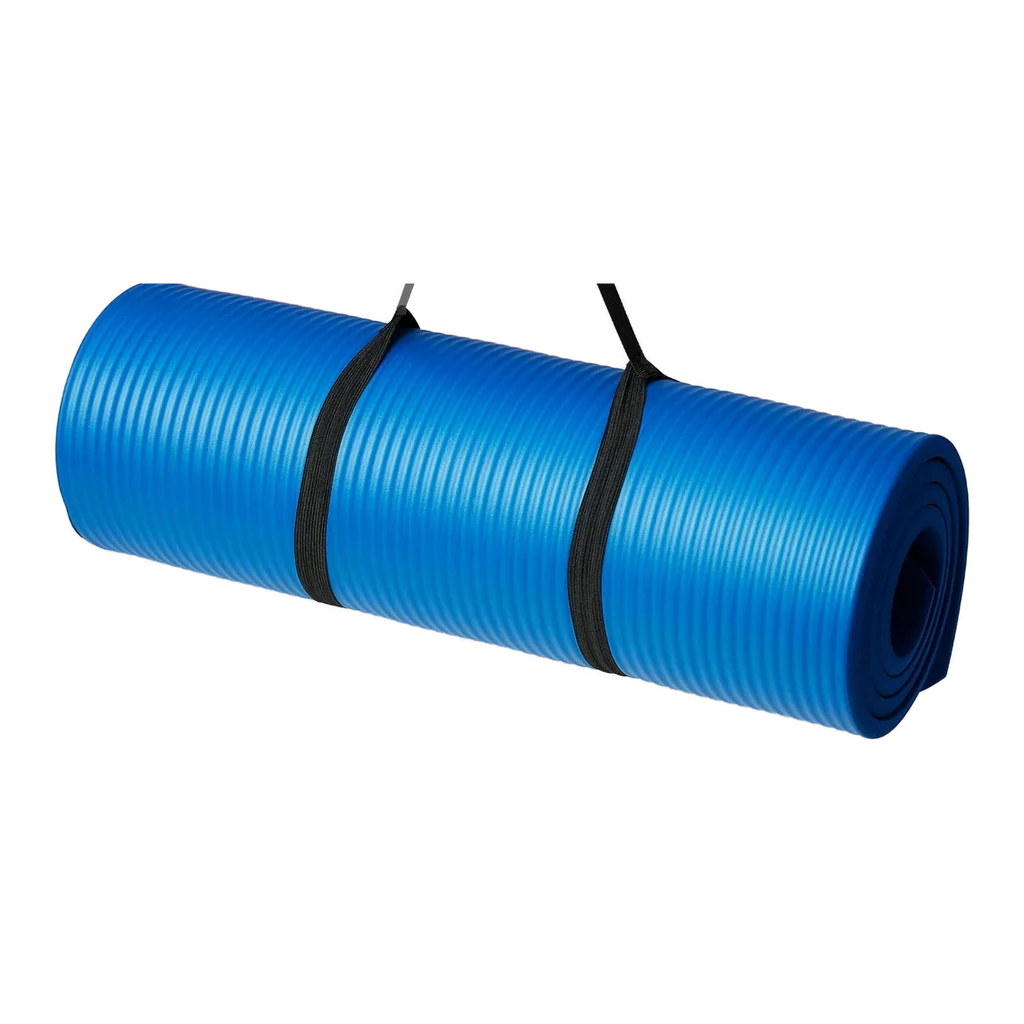
The commodity pick. The same slab of foam as the branded one I actually own, for about eight dollars less. Foam is foam. There is no argument for paying more.
Purchase signal: Cheaper equivalent of the mat on my floor
Price: Around $22.48.
Kettle & Fire Beef Bone Broth
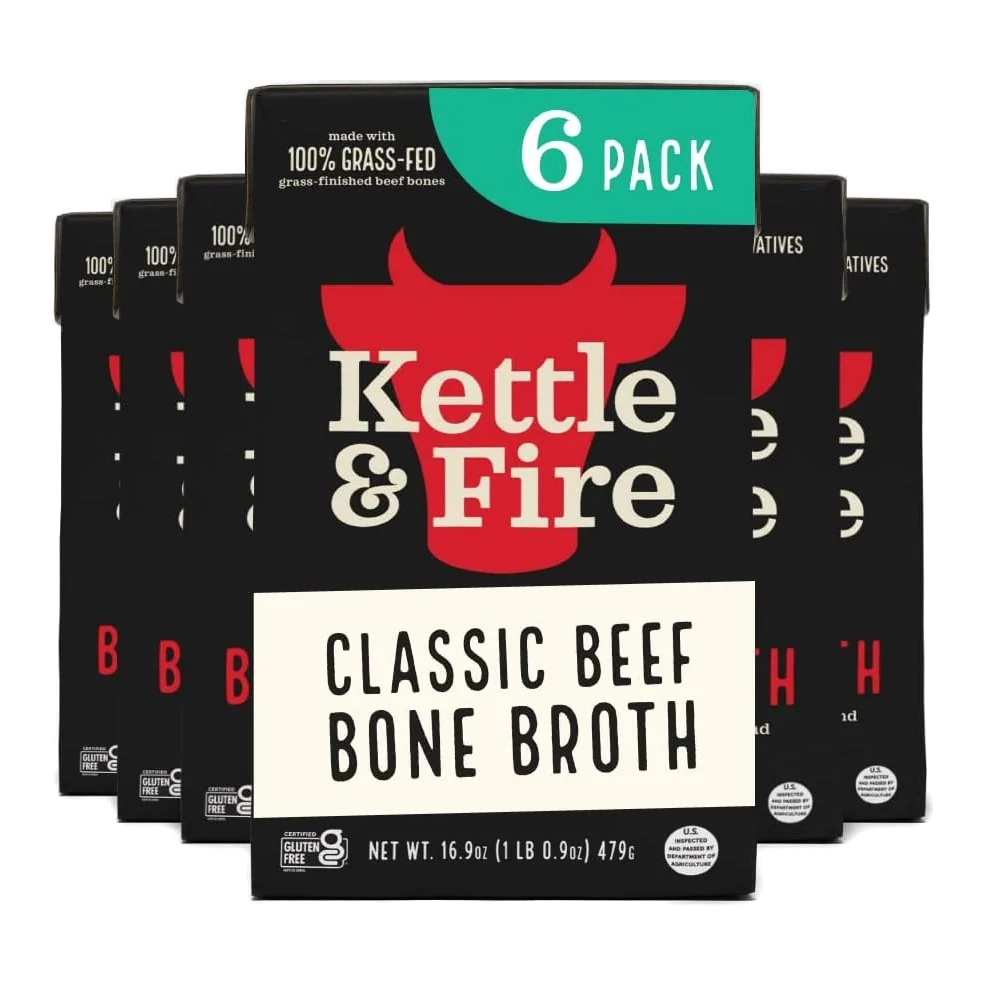
The one I resent and buy anyway, included because honesty is worth more than consistency. It has become wildly expensive and I keep a stack regardless. Costco is meaningfully cheaper per unit if you have one nearby.
Purchase signal: Repeat buy · despite the price
Price: Around $39.48.
You will notice what is not on that list. The mid priced back massager, the bamboo toothbrushes and every foot massager I have owned are all absent, and they are absent on purpose. I am not going to take a commission on the things I just spent two thousand words telling you not to buy.
Quick questions
So should I always buy the cheap version?
No, and that is the trap on the other side. The cheap massage gun stalls. The cheap toothbrushes were too soft. Cheap is right in commodity categories and wrong when the expensive version does something mechanically different.
What is the single most expensive thing you would buy again?
The water system, and it is not close, because it has been running for closer to twenty years than ten. The massage gun is second.
What would you not buy again?
The mid priced back massager, the bamboo toothbrushes, and any foot massager I have tried.
How do you decide now?
I try to work out whether the cost recurs, whether I will be able to feel the difference, and whether it fits something I already do. If I cannot answer the third one, I do not buy it, no matter how good the first two look.
Prices here are what I paid or what things cost when I last looked, and they move. Nothing in this post is health advice; where a product worked better for me than another, that is my experience and not a claim about yours.
I earn a small commission if you purchase through these links, at no
additional cost to you. I only recommend products I’ve personally used or
researched thoroughly. This helps support the work behind Better Living
Every Day.