In This Article
- What it is actually doing, which matters more than the cost
- The upfront number is the small number
- The mistake I made for the first couple of years
- The cheap gadget that settles the argument
- Buy the filters, not the brand
- The sixth stage, which is purely for enjoyment
- It travels better than you would think
- The shower filter has the same trap
- Product Recommendations
- Quick questions
I put a reverse osmosis system under my kitchen sink the better part of two decades ago. It is still running. It has also moved house with me more than once, which is not something I expected to be writing when I bought it.
I did not do it for the taste. I did it because I went and looked up what was actually in my city’s water, and I did not care for the answer.
That is the part nobody tells you when you are reading reviews. The system is a one time decision you agonize over for a week. The filters are a decision you make again, and again, for as long as you own it. Seventeen years in, I have opinions about the second part.
This is not a review of which system to buy. I wrote about picking one already. This is the boring follow up nobody publishes: what it costs to keep running, what the actual replacement schedule looks like, and the thing I got wrong for the first couple of years.
What it is actually doing, which matters more than the cost
Before the money, the point. A reverse osmosis membrane strips out the things a pitcher filter cannot touch. Fluoride, if your municipality adds it. Pharmaceutical residues, which are in more tap water than people realize. Heavy metals and a long list of other contaminants.
I want to be precise here rather than dramatic, because water content varies enormously by zip code and I have no idea what is in yours.
You do not have to guess, though, and this is probably the most useful thing on this page. The Environmental Working Group keeps a searchable database of municipal water testing at ewg.org/tapwater. Put your own zip code in. It draws on the reports your utility already files, so what you get back is your supply rather than a national average, and people are routinely surprised.
Two things worth knowing before you look. EWG’s health guidelines are stricter than the federal legal limits, so results can exceed a guideline while being perfectly legal. That does not make the numbers wrong, it makes them a different yardstick, and you should know which one you are reading. And detection is not the same as harm. What is well established about trace pharmaceutical residues is that they are there, not what they do to you at those concentrations.
For me the list was enough. Seeing it for my own address is what moved me from thinking about a system to buying one. If your municipality adds fluoride, that is the line that will settle it for a lot of people, in one direction or the other.
I should be straight about the fluoride part, because I have argued the other side of it elsewhere on this site. Fluoride is the best supported cavity prevention ingredient there is, and I am not going to pretend otherwise just because I take it out of my drinking water. I also use a fluoride free toothpaste, and that is a preference rather than an upgrade. Taking it out of the water is the same kind of preference. I am not telling you the dental evidence is wrong. I am telling you what I picked, with the tradeoff left visible.
What I can say without any hedging is the mechanism. A carbon pitcher filter is very good at chlorine, taste and smell. It is not built to remove dissolved fluoride or pharmaceutical residue, and no amount of marketing changes that. RO is a different process doing a different job.
So if the reason you are filtering is taste, a pitcher is fine and I am not going to talk you out of it. If the reason is what is dissolved in the water, that is a different purchase.
The upfront number is the small number
The system cost a couple hundred dollars once. Over seventeen years the filters have cost me several times that. Not shockingly so, spread across that many years, but enough that I wish someone had shown it to me as a running line item instead of a footnote.
The useful thing to understand is that the stages wear out on completely different clocks:
- Stages 1 to 3, the sediment and charcoal pre filters, are the cheap ones. I change these every six to twelve months.
- Stages 4 and 5, the membrane and the post carbon, are the expensive ones. They last at least a couple of years, often longer.
Which six to twelve months you land on depends entirely on your water. Sediment heavy supply, you are at the short end. Gentle municipal water, you can stretch it. This is why I stopped trusting any fixed schedule printed on a box.
Once I understood that rhythm the cost stopped feeling random. Small expense once or twice a year, larger one every second or third year, and that is the whole picture.
The mistake I made for the first couple of years
I changed filters when the water started tasting off.
Wrong trigger. By the time you can taste it, the carbon has been saturated for a while, and saturated carbon is not doing much of anything. I was running water through an expensive box for weeks at a stretch and getting a fraction of what I paid for.
Now I change on a schedule and ignore how it tastes. Less satisfying, because there is no payoff moment, but it is the correct way round.
The cheap gadget that settles the argument
At some point I bought a TDS meter, which is a little pen that reads total dissolved solids in parts per million. Dip it in tap water, dip it in your filtered water, compare.
It costs about as much as lunch and it turns filter changes from a guess into a number. If the gap between tap and filtered has narrowed, the membrane is tired. I do not use it constantly, just occasionally when I want to know whether the system is still earning its keep.
One honest limitation: TDS measures dissolved solids in aggregate. It is a health check on the membrane, not a contaminant report, and it will not tell you anything about fluoride specifically. It is a useful instrument, not a lab.
Buy the filters, not the brand
The replacement pre filters are largely standard sizes. Generic ones that fit my housings have performed the same as branded ones and cost noticeably less, which cut my ongoing spend meaningfully.
I do not get clever about the membrane. That one I buy properly. But the pre filters are commodity parts and I treat them that way.
The sixth stage, which is purely for enjoyment
RO strips minerals out along with everything else, and some people find the result tastes flat. There is an optional sixth stage, an alkaline cartridge, that puts a little mineral content back and nudges the pH up.
Let me be straight about this one: it is not necessary. Nothing bad happens if you skip it. I add it because the water is more pleasant to drink and I drink more of it as a result, which is reason enough for me. The APEC version is good and it is also the pricey part of the setup, so I rotate it in when it makes sense rather than treating it as permanent.
It travels better than you would think
Two things I did not anticipate when I bought this.
The first is that it moves. I have taken this system with me between homes. It is plumbing, not furniture, and if you can install it once you can uninstall and reinstall it.
The second is stranger. I have set these up for friends and family more than once, and for one friend who is on the move constantly I built a portable version, plumbed into a bin so it did not need a permanent sink connection. It worked. If you are in a rental where you cannot touch the plumbing, that trick is worth knowing about.
The shower filter has the same trap
People assume the shower filter is part of the under sink setup. It is not. Different job, different water, separate purchase, and the RO handles drinking water only.
The case for one is chlorine. In a hot shower, chlorine does not just sit in the water, it comes out of it. You are standing in a warm enclosed room breathing it in, and it is on your skin for the duration. Whatever you think about the risk, the exposure is real and it is easy to reduce.
It also has exactly the same recurring problem as the RO system. Mine screws onto the shower arm, cost about thirty dollars, and the cartridge inside needs swapping every few months. Cheap once, small forever, same as the pre filters. Same rule too: change it on a schedule, because there is no taste cue in a shower to tell you the carbon is spent.
My skin does seem less dried out in winter. I am one person with no control group, so take that for exactly what it is worth.
Product Recommendations
APEC Under-Sink Reverse Osmosis System
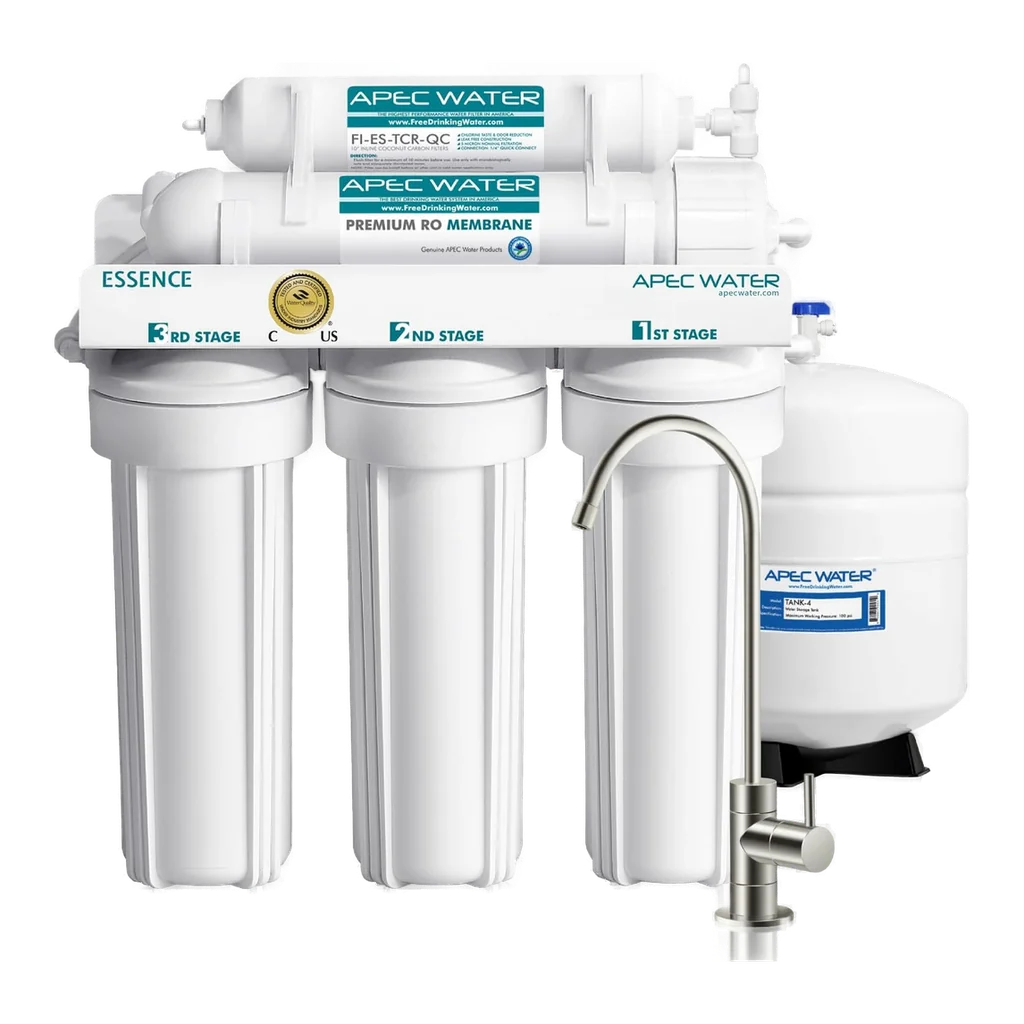
Under my sink for the better part of two decades, through more than one house. Multi stage, installs in an afternoon if you are reasonably handy, and the reason I stopped buying bottled water. I have set the same system up for friends and family too.
Purchase signal: In use the better part of two decades · bought again for others
Price: Around $195.65.
APEC Replacement Pre-Filter Set (Stages 1 to 3)
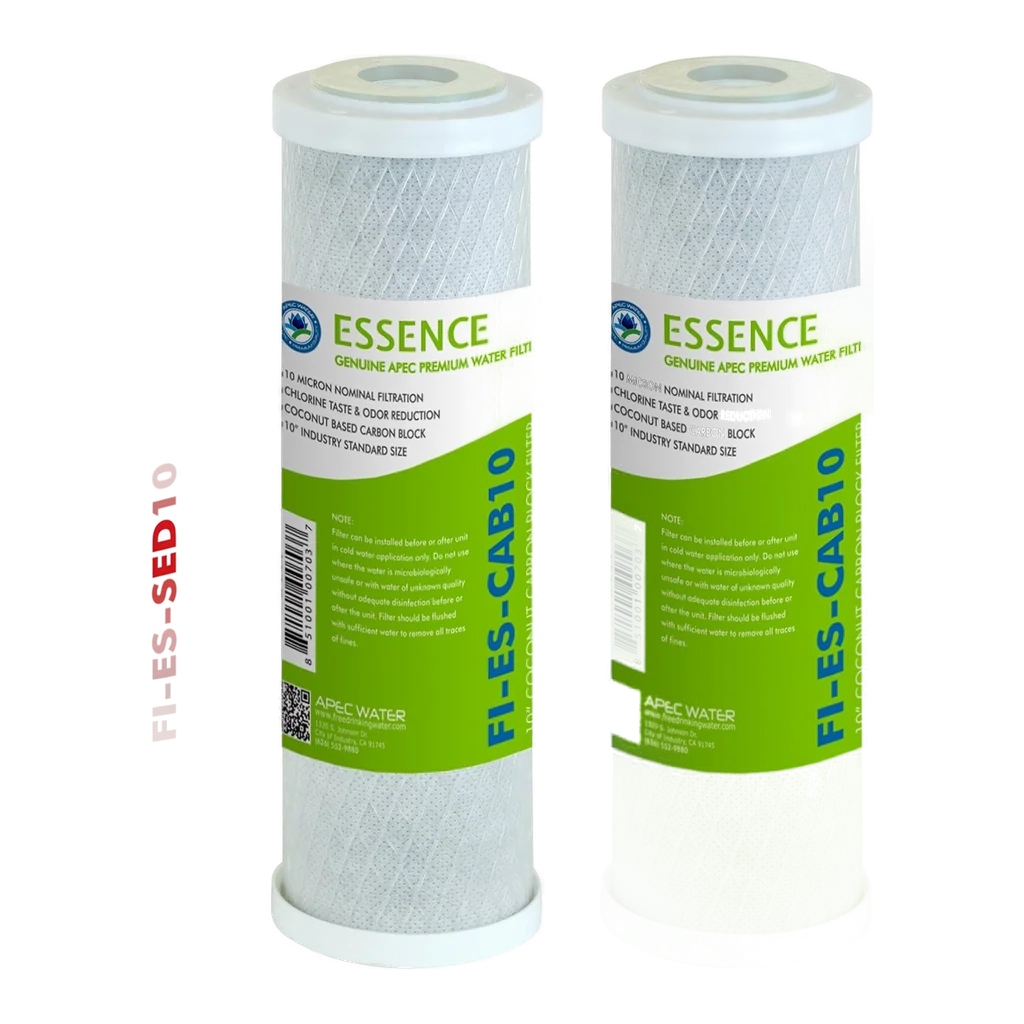
The recurring buy. Sediment and charcoal, changed every six to twelve months depending on how hard your water is on them. Generic sets that fit the housing have worked fine for me.
Purchase signal: Repeat buy, ongoing for as long as I have owned it
Price: Around $25.46.
APEC pH+ Alkaline Filter (optional 6th stage)
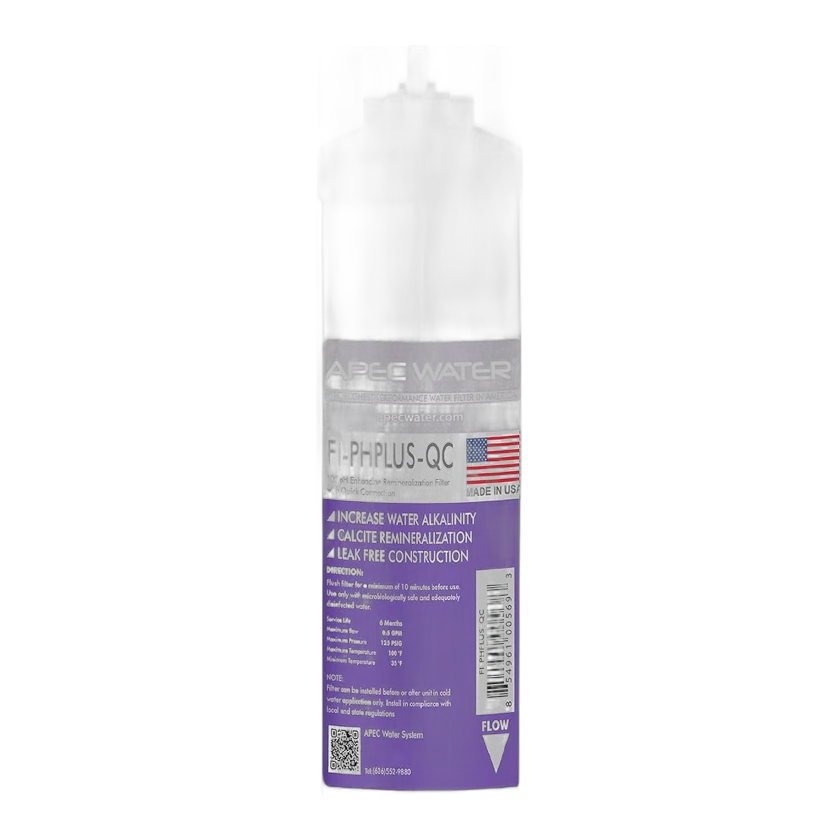
Puts a little mineral content back after the membrane has taken everything out. Not necessary, purely a taste thing, and the expensive part of the setup. I rotate it in when it makes sense.
Purchase signal: Rotated in as needed
Price: Around $37.95.
TDS Meter
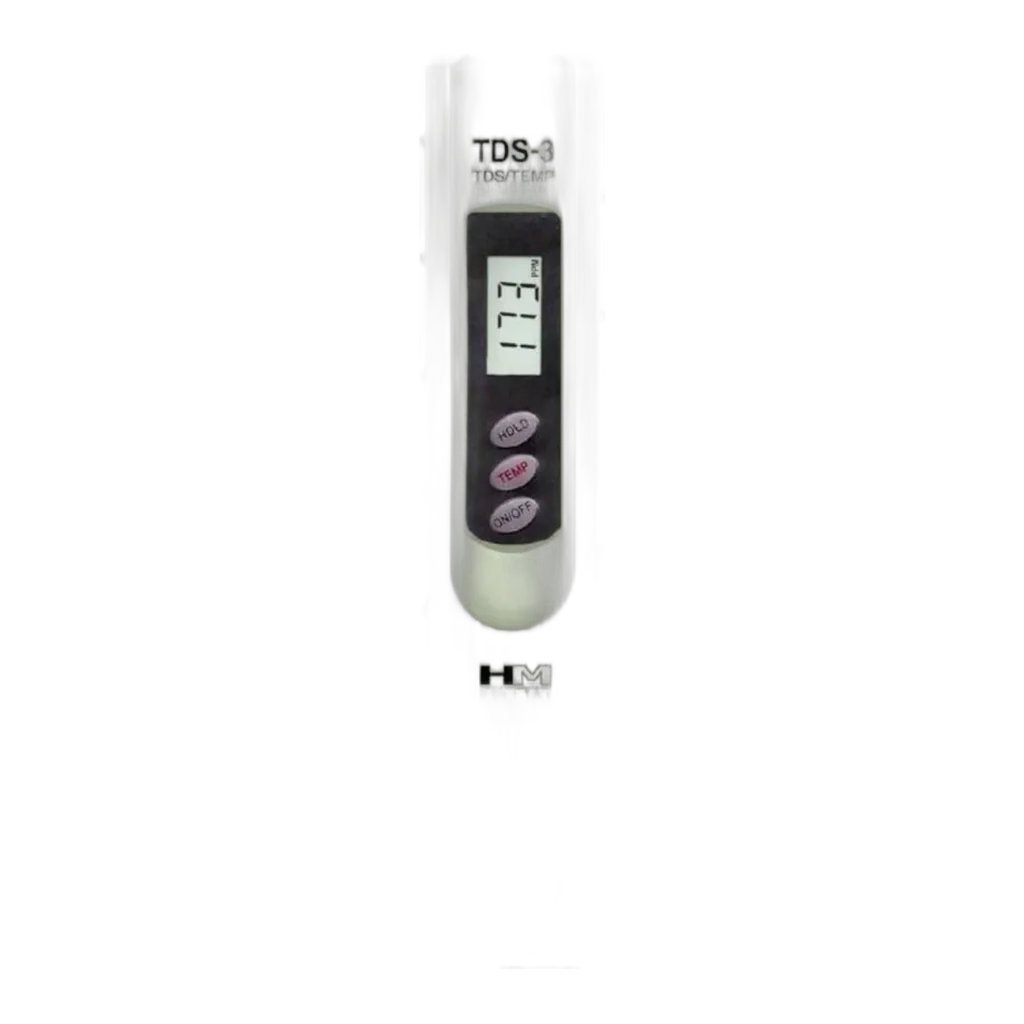
A few dollars, and it turns “is this thing still working” into a number you can read. Dip it in tap, dip it in filtered, compare. I use it occasionally rather than religiously.
Purchase signal: Bought to spot-check the system
Price: Around $14.62.
AquaBliss SF100 High Output Shower Filter
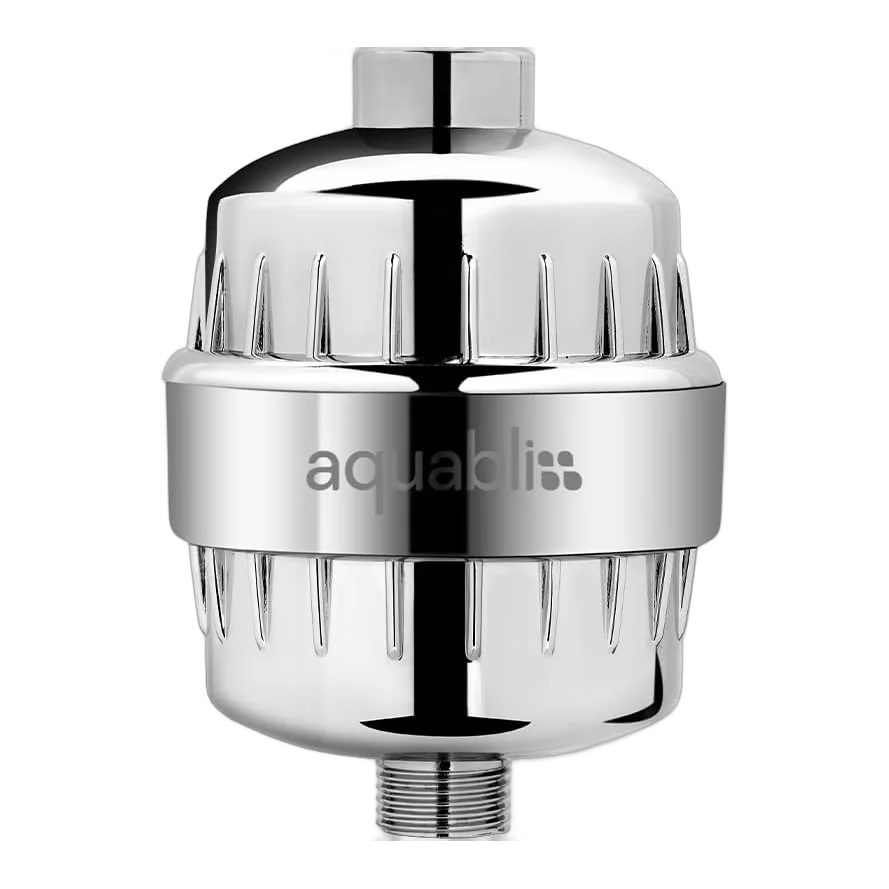
Screws onto the shower arm in two minutes. Chlorine reduction for the water you stand in and breathe. Cheap to buy, and the cartridges are the recurring part. I have rebought those more than once.
Purchase signal: Filter plus repeat cartridge buys
Price: Around $33.29.
Quick questions
How often do you actually change the filters?
Stages 1 to 3 every six to twelve months, stages 4 and 5 at least a couple of years. Where you land inside that range depends on your local water, not on the box.
Are the generic replacement filters fine?
For the sediment and carbon stages, yes, that has been my experience. I still buy the membrane properly.
Is a Brita good enough?
For chlorine, taste and smell, a pitcher genuinely helps and it is cheap. But it is not doing the same job. It will not remove fluoride or pharmaceutical residue, and it was never designed to. Treat it as a taste improvement, not a filtration system.
Does RO strip the minerals out of the water?
Yes, along with everything else. That is the tradeoff. The optional alkaline stage puts some back if the flat taste bothers you, and I also add trace mineral drops to my water for other reasons.
Do I need the TDS meter?
No, but it is a few dollars and it removes the guesswork from filter changes. Worth it if you are the sort of person who wants to know.
Was it worth it over seventeen years?
Yes, and the honest reason is that I stopped buying bottled water entirely, which paid for the whole thing several times over. Your math depends heavily on what your tap water is like to start with.
This is my own setup and my own experience, not professional plumbing or health advice. Water quality varies enormously by location, so check your local water report before deciding what you actually need.
I earn a small commission if you purchase through these links, at no
additional cost to you. I only recommend products I’ve personally used or
researched thoroughly. This helps support the work behind Better Living
Every Day.