In This Article
Black shirts. That was how I knew it had come back, every winter, for most of my twenties and a decent chunk of my thirties. You brush your shoulder off in the car before you go into work and you think, right, we are doing this again.
Ten years of buying things in the scalp aisle later, I have three bottles that stay in rotation and a fairly boring system for using them. That is what this is. Not a fix, a system.
One caveat before anything else: I have no idea what is causing yours. Flaky scalp is a symptom, not a diagnosis, and it covers everything from a dry apartment in February to seborrheic dermatitis to actual psoriasis. Those are different problems. I can only tell you what has survived a decade in my own shower.
Rotation, because nothing keeps working
Here is the pattern I kept running into. Find something that works. Use it exclusively because it works. Watch it slowly stop working over about two months. Get annoyed. Buy something else.
I did that loop maybe four times before it occurred to me to stop treating it as a failure of the product. Now I just assume anything I use constantly will fade on me, and I switch before it does. Whether my scalp is genuinely adapting or the whole thing is seasonal and I am taking credit for the calendar, I could not tell you. The rotation works, and after ten years I have stopped needing to know why.
Practically it means two bottles in the shower instead of one, and swapping every few weeks. That is the entire method.
Pine tar, the one I reach for when it actually flares
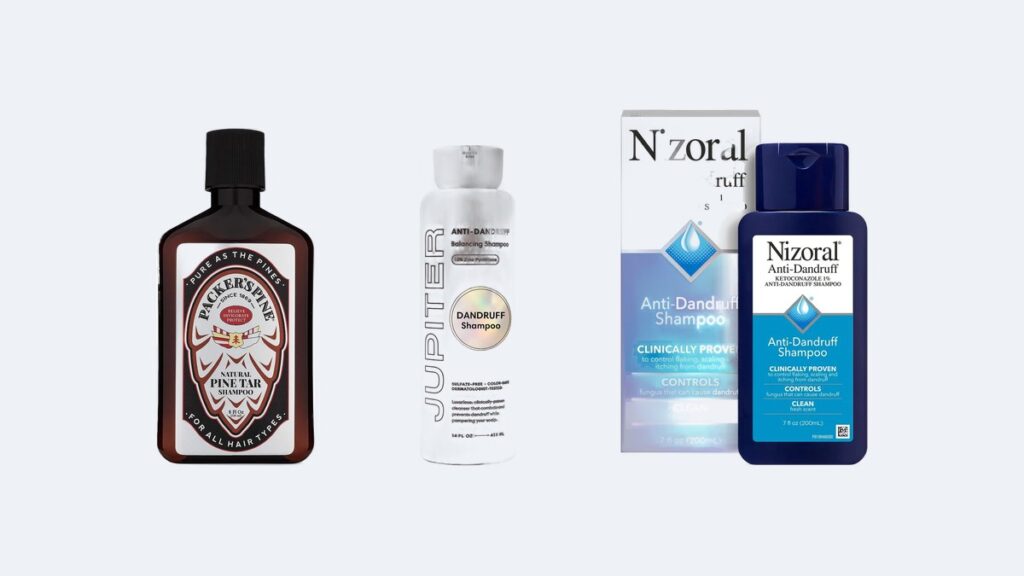
Packer’s has been in my shower since 2016. Nothing else on this list is close to that, and if I could only keep one bottle it would be this one.
Here is the important part, and it is the thing I would most want you to take away. When my scalp genuinely acts up, this is what fixes it. Not the expensive one, not the pharmacy one. The cheap brown bottle that smells like a campfire. I have tried the alternatives during bad stretches and I keep coming back to this, which after ten years I have stopped trying to explain and simply accept.
It runs about fifteen dollars. It is thin, it is brown, and the smell is either charming or a dealbreaker depending on the person. I have had both reactions from people in my house. It is gone by the time my hair dries, but for the ten minutes I am in the bathroom it fills the room.
The one real drawback: pine tar dries my scalp out if I lean on it too hard. I learned that the obvious way, using it daily for two weeks during a flare and making things worse. So it is the thing I escalate to, not the thing I use every day. Twice a week during a bad patch, three at the absolute most.
Jupiter, the one that looks like normal shampoo
Jupiter runs about twice the price and works about the same. I rebought it anyway, which tells you the thing I actually value here is that the bottle looks like any other shampoo.
That sounds vain and it partly is. But there is a real mechanism underneath it. On a two week trip a few winters ago I left the pine tar at home, because a bottle of brown tar shampoo in someone else’s bathroom invites a conversation I did not feel like having. So I used whatever was in the shower, and by the time I got back it had flared badly. A treatment you are faintly embarrassed by is one you leave at home, and leaving it at home is what undoes the previous three months.
I use their conditioner too. Less because it is special and more because pine tar leaves my hair feeling like straw, so I need a conditioner in the rotation regardless.
The medicated ones, which I need less than I expected to
I keep a pharmacy option around, the ketoconazole kind, and I used to assume it would be my answer for the worst stretches. In practice the pine tar handles those, so this gets used less than I thought it would.
It still earns its place. Some flares are more stubborn, and it is more aggressive and faster acting. But I run it as a short course, two or three weeks, then go back to the rotation. That is my personal approach, not a protocol, and if I found myself needing it constantly I would treat that as a reason to see a dermatologist rather than to keep working through bottles.
Product Recommendations
Packer’s Pine Tar Shampoo
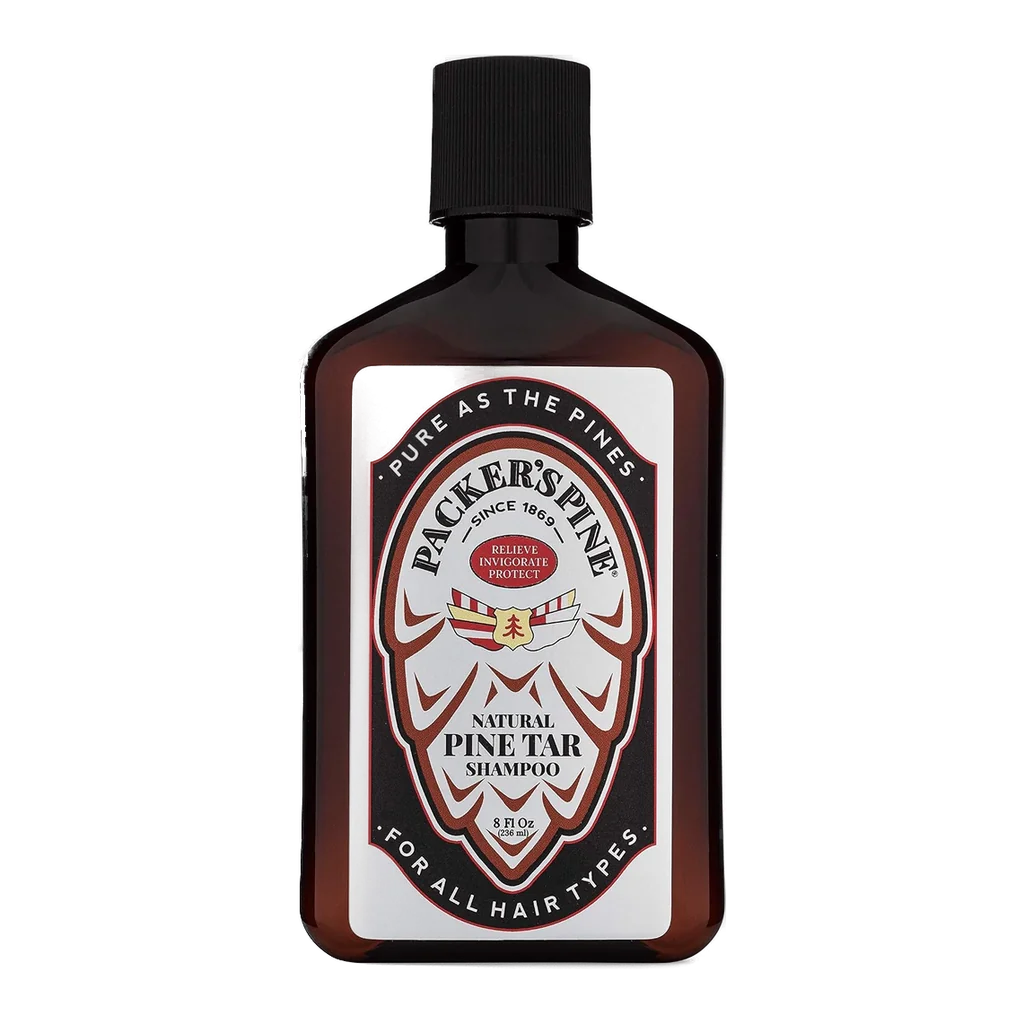
The one I reach for when things actually act up, and the longest running thing in my shower. Cheap, smells like a campfire, and it works better on a flare than anything pricier I have tried. Drying if you overuse it, so treat it as the escalation rather than the daily.
Purchase signal: Repeat buy · 2016–2024
Price: Around $14.99.
Jupiter Scalp Shampoo + Conditioner
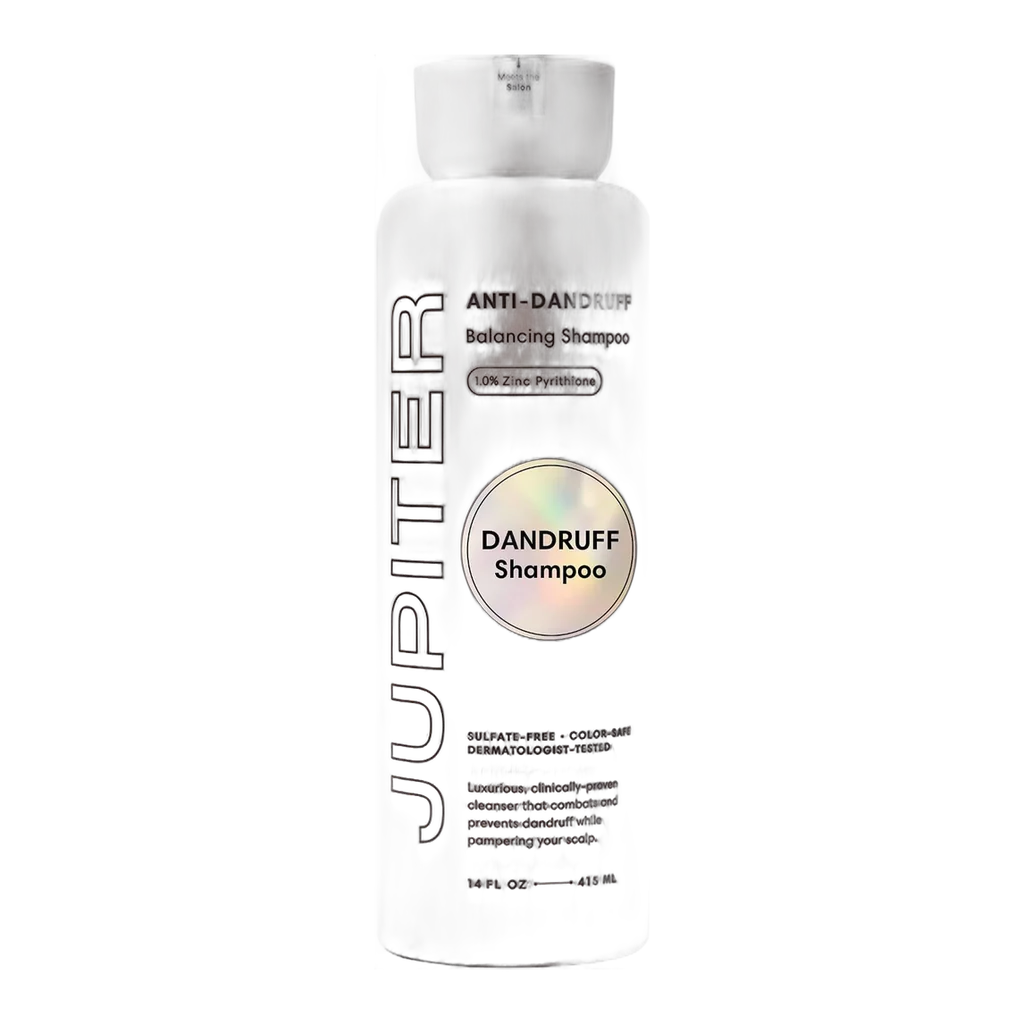
The one that looks like normal shampoo, which is why it survives travel. Pricier, and I rebought it, which is the whole endorsement.
Purchase signal: Repeat buy · 2025
Price: Around $29.99.
Medicated Scalp Shampoo (ketoconazole or coal tar)
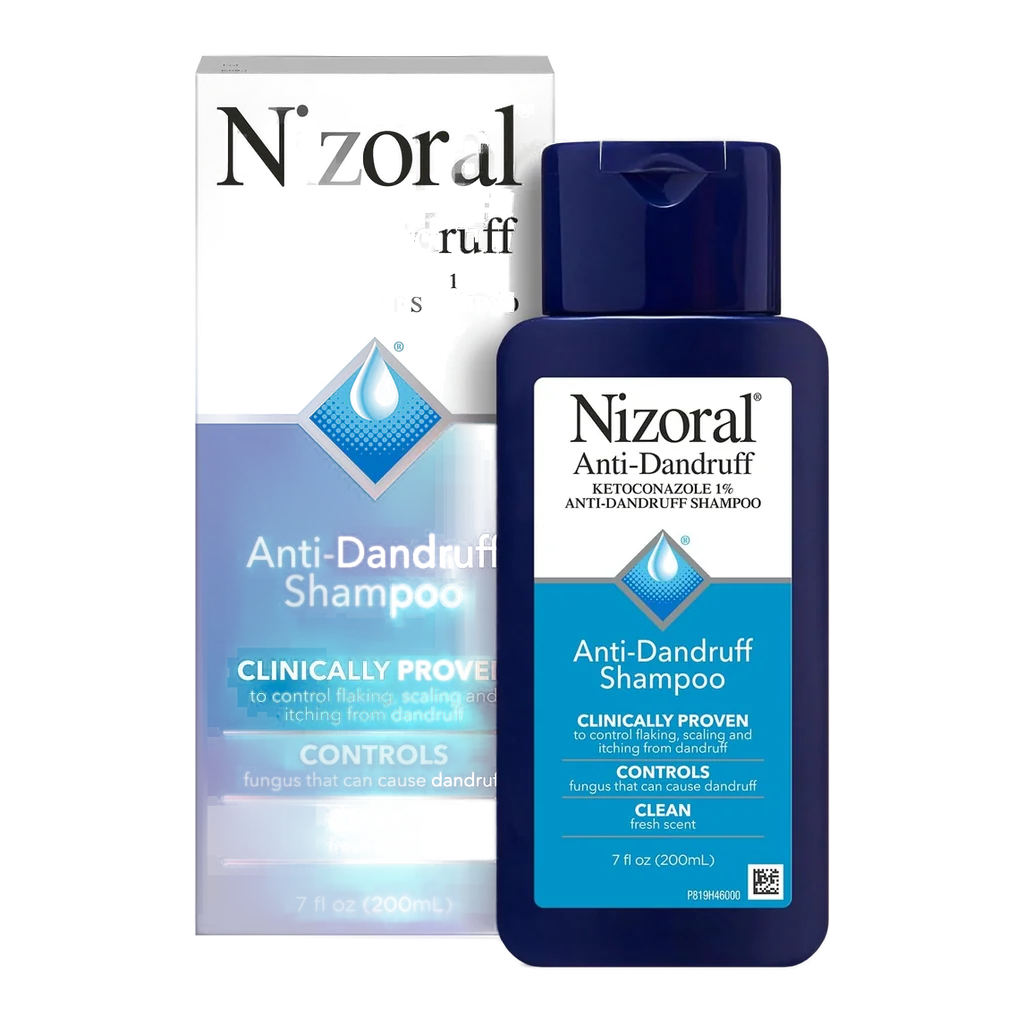
The backup for a stubborn flare the pine tar has not settled. Short course only, then back to the rotation.
Purchase signal: Bought 2023–2025
Price: Around $15.88.
Quick questions
Do you really need three?
No. Start with pine tar. It is the cheapest thing here and it is also what actually sorts out a flare for me, which is a rare combination. Add Jupiter if the smell is a problem or you travel.
How long before you notice anything?
For me, a week or two of consistent use. If something does nothing after a month I stop and switch.
Can you use these every day?
I do not. Pine tar in particular is drying for me at daily use. Two or three times a week during a flare, less otherwise.
Does the pine tar smell stay in your hair?
It fades as your hair dries. It is strong in the shower and mostly gone by the time you leave the house.
What if none of this helps?
Then it is worth seeing a dermatologist rather than working through more bottles. Persistent flaking can be seborrheic dermatitis or psoriasis, and those respond to prescription treatment that no shampoo aisle is going to match.
This is my personal routine, not medical advice. A flaky scalp can have several different underlying causes, and if yours is persistent, painful, bleeding, or spreading, please see a doctor or dermatologist rather than self treating indefinitely.
I earn a small commission if you purchase through these links, at no
additional cost to you. I only recommend products I’ve personally used or
researched thoroughly. This helps support the work behind Better Living
Every Day.