Best Seed Oil Free Condiments in 2026: Brands That Actually Pass the Label Test
Honest reviews of mayo, ketchup, dressings, BBQ sauce, and more, without the soybean oil hiding in everything.
I spent way too long in the condiment aisle last month. Picked up what I thought was a clean olive oil mayo. Nice green label, “made with olive oil” in big letters. Looked legit.
Then I flipped it over.
First ingredient after water? Soybean oil. The olive oil was buried five lines deep. Barely a splash. The whole front of that jar was basically a lie, and I almost fell for it. Again.
That’s the game with condiments right now. Ketchup, dressings, BBQ sauce, pasta sauce. Seed oils are crammed into all of them because they’re dirt cheap. We’re talking five to ten times cheaper than actual olive or avocado oil. So manufacturers use them everywhere and just hope you won’t bother reading the back of the bottle. And it’s not just oils. I play the same game with hidden corn syrup. You’d be amazed how many products swap out real sugar or natural sweeteners for high fructose corn syrup and just pray you don’t notice.
I got tired of playing detective every grocery run. So I did the homework once, checked every ingredient list I could get my hands on, and put this guide together. Every product below has been label-verified. No hidden soybean oil. No “and/or” games. No canola buried on line three.
Just condiments made with fats you’d actually want to cook with.

Quick Picks: Best Seed Oil Free Condiments at a Glance
| Category | Our Pick | Oil Used |
|---|---|---|
| Mayo | Chosen Foods Classic Avocado Oil Mayo | 100% Avocado Oil |
| Ketchup | Organicville Organic Ketchup | No added oil |
| Dressing | Chosen Foods Avocado Oil Dressings | Avocado Oil |
| Hot Sauce | Yellowbird Organic Sriracha | No added oil |
| BBQ Sauce | Simple Girl Organic BBQ Sauce | No added oil |
| Pasta Sauce | Rao’s Homemade Marinara | Olive Oil |
| Salsa | Siete Salsa Mild Casera | Olive Oil |
What Are Seed Oils and Why Are They in Your Condiments?
Quick primer if you’re new to this (I wrote a full deep dive on what seed oils are if you want the whole story). “Seed oils” is the umbrella term for industrial vegetable oils: soybean, canola (also called rapeseed), sunflower, safflower, corn. They get extracted from seeds using a combination of high heat, mechanical pressure, and chemical solvents like hexane. It’s not exactly the artisan cold-press process you picture when you think of olive oil.
Why are they in everything? Money. That’s it. Soybean oil costs pennies compared to olive or avocado oil. It doesn’t really taste like anything, so it won’t change the product’s flavor. If you’re running a food company and your job is to keep costs down, seed oils are the obvious play.
So are they bad for you? Look, I’m not going to sit here and pretend the science is 100% settled. It’s not. But the omega-6 thing is worth paying attention to. Seed oils are loaded with omega-6 fatty acids, and when you eat too much of that stuff it can ramp up inflammation in your body. The other thing people don’t realize? These oils don’t just flush out after dinner. They build up in your fat tissue and can hang around for literally years. That freaked me out when I first learned it.
Here’s my personal thing, and take it for whatever you think it’s worth. After I cut seed oils out of my diet, I noticed I wasn’t getting sunburned like I used to. Same amount of time outside, same skin, same sunscreen habits. Just… less burning. Way less. I’m not a doctor and I’m definitely not saying this will happen for everybody, but it was weird enough that I went down a rabbit hole. Turns out there’s actually research out there connecting high omega-6 consumption to increased UV sensitivity in your skin. Google it if that sounds interesting, there are some eye-opening studies.
Even if you’re agnostic on all of that, here’s a simpler argument: these are heavily refined, industrially processed oils sitting in products that could just as easily be made with olive oil or avocado oil. You’re already paying $6+ for a bottle of dressing. The oil inside it should be something you’d actually buy on purpose.
Seed Oils to Watch For on Labels
- Soybean oil is by far the most common. Shows up in mayo, dressings, sauces, everything
- Canola oil (rapeseed) is the runner-up. Ironically popular in products marketed as “healthy”
- Sunflower oil is the sneaky one. Even products that say “avocado” sometimes use this as the base
- Safflower oil isn’t as widespread, but still pops up as cheap filler
- Corn oil tends to live in cheaper sauces and processed condiments
- “Vegetable oil” is the most vague term on any label. Almost always means soybean
This one really bugs me. You’ll see labels that say “soybean and/or canola and/or sunflower oil.” What that actually means is the company switches between whatever seed oil happens to be cheapest on the day they run production. They printed the label once so they’d never have to update it. Tells you everything about their priorities.
Best Seed Oil Free Mayonnaise
Mayo is the worst offender and it’s not close. Hellmann’s, Duke’s, Kraft… pick any mainstream mayo and the base is soybean oil. The whole jar is built on it. And those “olive oil” versions that look healthier? Please. Flip them over. Soybean oil is still doing all the heavy lifting. They throw in just enough olive oil so they can put it on the front of the label and charge you more. Total bait-and-switch.
Real talk though. The best mayo you can get is one you make yourself. It’s stupid simple: lemon juice, a large egg or two, dry mustard powder, sea salt, and avocado oil. Blend it up with an immersion blender and you’ve got mayo that beats anything in a jar. Only catch is it’ll last maybe a week or two in the fridge since there are no preservatives keeping it alive. Not always practical for everyday life.
The good news is that avocado oil mayo has blown up recently. Two or three years ago your options were pretty limited. Now there’s legitimate competition and the products have gotten noticeably better because of it.
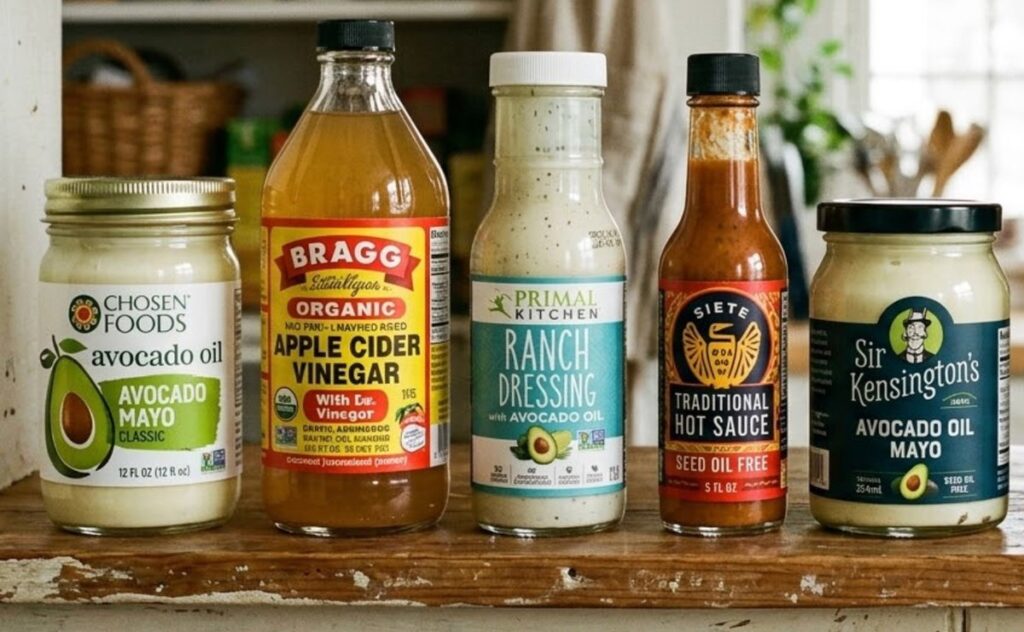
Chosen Foods Classic Avocado Oil Mayo | Best Overall

100% Avocado Oil
This is my go-to and it’s not even close. I’ve gone through probably eight or nine avocado oil mayos over the past year, and Chosen Foods is the one that keeps ending up in my cart. It tastes like actual mayo. That sounds like the bare minimum but trust me, a shocking number of “healthy” mayos have this gummy, almost gelatinous texture that makes your sandwich worse. Chosen Foods nails the consistency. They also make a bunch of other products (dressings, cooking spray, oil) and the quality carries across the whole line.
The ingredient list is what sold me: avocado oil, cage-free eggs, vinegar, salt, lime juice. Done. No gums. No preservatives. No “natural flavors,” which is corporate-speak for “we’d rather not tell you.”
Works perfectly in tuna salad. Good on sandwiches. Fine for deviled eggs. Basically anywhere you’d use Hellmann’s, this swaps in without anyone noticing. Well, except the price tag. You’re looking at $7-8 a jar instead of $4-5. But that’s the cost of actual avocado oil instead of soybean.
✓ 100% avocado oil, no blends or fillers · ✓ Shortest ingredient list I’ve found in the category · ✓ Closest texture to “regular” mayo
✗ About double the price of Hellmann’s · ✗ Can be hard to find outside of Whole Foods and Amazon
Sir Kensington’s Avocado Oil Mayonnaise | Runner Up

100% Avocado Oil (Expeller-Pressed)
Sir K’s does things a bit differently. They actually expeller-press their avocado oil instead of using chemical solvents to extract it. Most brands don’t go that far. If the Non-GMO Project Verified badge matters to you, they’ve got that too, and Chosen Foods doesn’t.
Flavor-wise, it’s brighter. More tangy. There’s a lime note that plays really well in chicken salad and wraps, but it doesn’t disappear into the background the way Chosen Foods does. It’s mayo with a personality, for better or worse.
Fair warning: if you’ve been eating Hellmann’s for twenty years and switch to this cold, you might hate the first jar. Give it at least three uses before you write it off. Most people come around by the second sandwich.
✓ Expeller-pressed, no chemical extraction · ✓ Non-GMO Project Verified · ✓ Tangier, more complex flavor
✗ Pricier than Chosen Foods · ✗ Takes some getting used to if you’re a Hellmann’s person
Spectrum Organics Mayonnaise with Olive Oil | Best Olive Oil Option

Extra Virgin Olive Oil
Not everyone wants avocado oil. If olive oil is more your thing, Spectrum makes the cleanest version I’ve found. We’re talking first cold-pressed extra virgin. The real deal, not the refined stuff that bigger brands water down.
It tastes noticeably different from avocado oil mayo. Richer. Nuttier. Better on Mediterranean-type stuff like caprese sandwiches, grilled vegetables, that kind of thing. Less of an all-purpose swap, more of a specialty play. And that’s fine.
USDA Organic is a plus. The glass jar is also nice for the anti-plastic crowd, but heads up, Amazon reviews mention breakage during shipping. Might be worth grabbing this one in-store if you can.
✓ USDA Organic certified · ✓ Actual first cold-pressed EVOO · ✓ Richer, more interesting flavor
✗ Not as versatile as avocado oil mayo for everyday use · ✗ Glass jar doesn’t always survive shipping
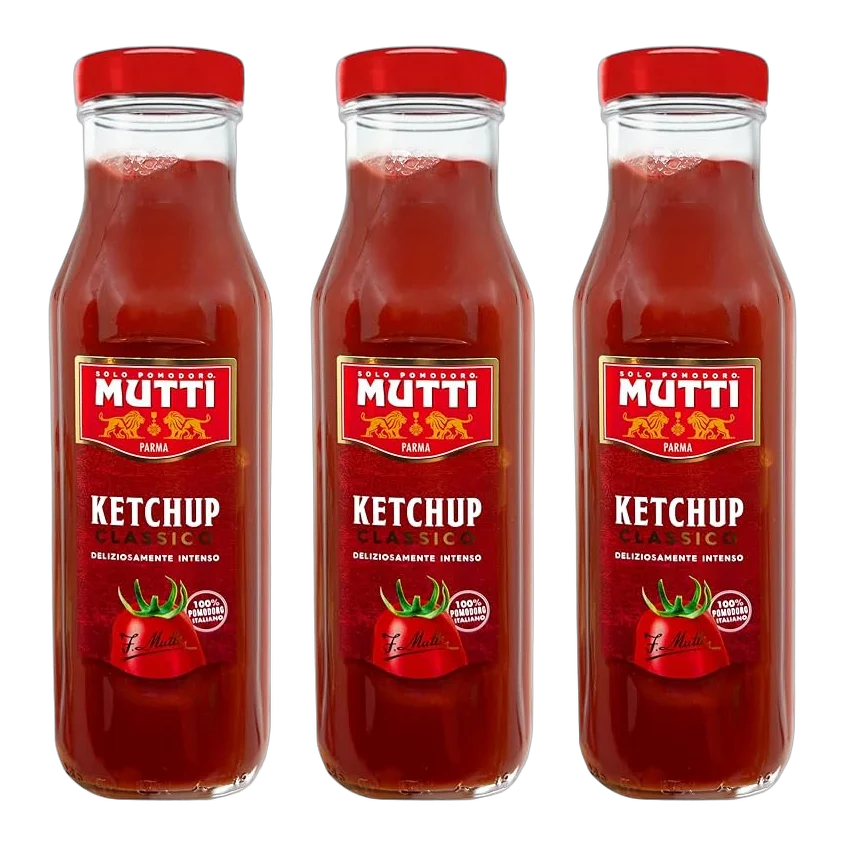
Best Corn Syrup Free Ketchup
If your ketchup has seed oils in it, I don’t even know what to tell you. We’ve got bigger problems to discuss. Most ketchups are totally fine on the oil front, that’s not the issue here. The real villain in the ketchup aisle is high fructose corn syrup. Heinz? Loaded. Hunt’s? Loaded. Every store brand on the bottom shelf? You guessed it. So forget about oils for this one. We’re hunting for ketchup that uses actual sweeteners instead of that corn syrup garbage.
Organicville Organic Ketchup | Best Overall

No added oil
The thing with Organicville is you flip the bottle and the ingredient list actually makes sense. Organic tomato puree, organic agave nectar, organic vinegar, salt, spices. That’s it. That’s literally the whole thing. Reads like a recipe your grandmother could’ve written. Zero oils. Zero preservatives. Zero “natural flavors.”
Taste-wise, the agave hits differently than the corn-syrup sweetness you’re used to from Heinz. Not as syrupy, not as in-your-face sweet. Took me a few burgers to get used to it if I’m being honest. But now I actually prefer it and regular Heinz tastes weirdly artificial to me. Quick reality check though: agave is still sugar. Nobody should be calling ketchup a health food. It’s just a better sugar in a bottle with way fewer mystery ingredients.
✓ Zero oils of any kind · ✓ No HFCS, no preservatives · ✓ USDA Organic, genuinely simple ingredients
✗ Thinner than Heinz, won’t cling to fries the same way · ✗ Agave is still sugar, let’s be real
Rejuvenative Foods Live Ketchup | Premium Pick
No added oil
Okay, this one is weird. And I mean that as a compliment. It’s a raw, fermented ketchup with live probiotics. The ingredients are raw tomatoes, cabbage, onions, beets, lemon juice, and spices. No cooking. No sugar. No nothing else.
Does it taste like Heinz? Not even close. It’s tangy, earthy, kind of funky in a fermented-foods way. If you’re into kimchi and kombucha, you’ll probably dig this. If you just want something red to put on a hot dog, go with Organicville and skip this entirely.
At $8-12 a jar, it’s not casual. But for fermented food nerds, it’s genuinely one-of-a-kind.
✓ Raw and fermented with live cultures · ✓ Literally zero sugar · ✓ Glass jar, minimal processing
✗ Tastes nothing like regular ketchup, be warned · ✗ Expensive for what looks like a small jar · ✗ Your kids will probably refuse it
Best Seed Oil Free Salad Dressings
If mayo is the biggest offender, dressings are the most deceptive. I’ve picked up bottles that had “avocado” in giant letters on the front, only to find that the actual base oil was high oleic sunflower. The avocado? It was just avocado in the recipe, like a tiny bit of avocado pulp, not avocado oil. Maddening.
Rule of thumb: ignore the front of every dressing bottle. Flip it. Read the oil listed first. That’s the real product.
Chosen Foods Avocado Oil Dressings | Best Range

Avocado Oil
These are my personal go-to dressings. Chosen Foods keeps showing up on this list for a reason. They actually mean it when they put “avocado oil” on the label. The dressing line uses avocado oil as the real base, not as a garnish.
I grabbed a sampler pack once and it was really good. They’ve got a solid lineup: Classic Ranch, Steakhouse Caesar, Lemon Garlic, Homestyle Balsamic, Greek Artichoke, Red Wine Italian, and Strawberry Pistachio. Some flavors are better than others and it comes down to personal preference, but the quality across the board is there.
One thing worth knowing: these are thinner than what you get from Hidden Valley. More like a real vinaigrette consistency. Some people love that. Others miss the thick, pour-it-in-a-glob texture they’re used to. Shake the bottle hard before you use it. Separation is normal and doesn’t mean anything is wrong.
✓ Avocado oil is genuinely the base, not a prop · ✓ Wide variety of flavors (7+) · ✓ Whole30 friendly
✗ Noticeably thinner than mainstream dressings · ✗ Separates in the bottle between uses
I want to be fair to Tessemae’s because they do make some genuinely clean products. But I’ve caught at least one of their “Avocado” dressings using high oleic sunflower oil as the main fat. The “avocado” in the name was about avocado in the recipe, not the oil. It’s not dishonest exactly, but it’s the kind of label design that’s easy to misread. If you buy Tessemae’s, check the specific product. Don’t just trust the brand.
Best Seed Oil Free Hot Sauce
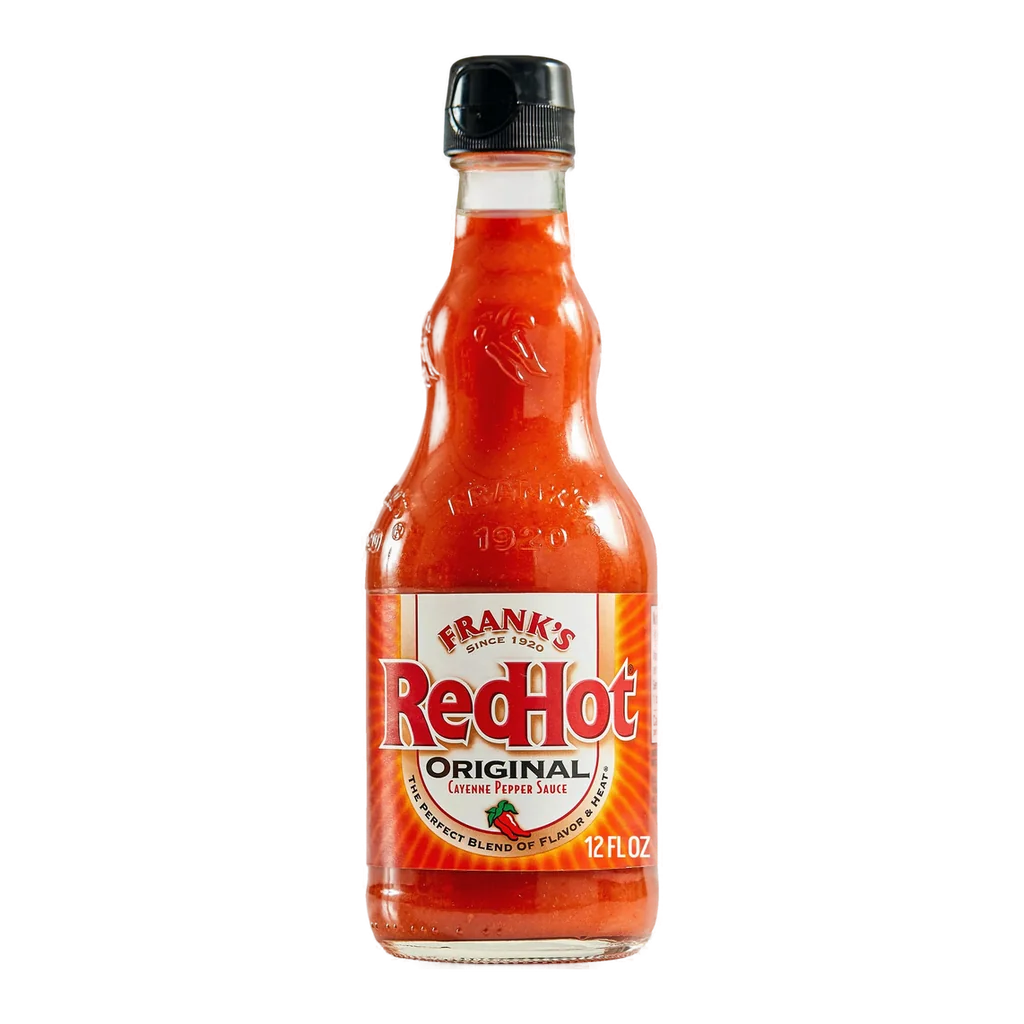
Good news here. Most pepper sauces in vinegar don’t have seed oils. Your classic Tabasco, Cholula, Frank’s RedHot, all clean. Peppers, vinegar, salt, done. But beware, they are out there. I tried this bottled wing sauce from the famous Anchor Bar in Buffalo (yes, the birthplace of the buffalo wing) and flipped it over to find liquid margarine made from soybean and hydrogenated soybean oils. Gross. In a wing sauce. From the place that supposedly invented wings. That one hurt.
The real danger zone is flavored or “premium” hot sauces that add oils or sugars you didn’t ask for. Stick with simple vinegar-based sauces and you’re usually fine.
Yellowbird Organic Sriracha | Best Clean Sriracha

No added oil
If you’ve been buying the Huy Fong rooster bottle forever, Yellowbird is the upgrade you didn’t know you needed. It’s organic, uses real red jalapeños, and here’s the interesting part: they sweeten it with dates. Not refined sugar. Dates. The result is a more rounded, complex heat where you can actually taste the garlic and pepper instead of just burning.
Their habanero version is worth grabbing too. It’s got carrots and tangerine juice in it, which sounds odd but works incredibly well on eggs and tacos. I keep both in the fridge now.
Costs more than the rooster bottle. Like everything on this list. But it also tastes like actual food instead of just hot + sweet.
✓ Organic with real, identifiable ingredients · ✓ Dates for sweetness instead of sugar · ✓ Noticeably better flavor depth than Huy Fong
✗ About twice the price of the standard sriracha · ✗ Heat level is more mellow, not for fire-chasers
Best Seed Oil Free & HFCS Free BBQ Sauce
BBQ sauce is where things get ugly. Most of what’s on the shelf at a regular grocery store is basically high fructose corn syrup with food coloring and maybe some tomato somewhere. And plenty of brands slip soybean oil in there too. I checked Red Gold’s “Naturally Balanced” BBQ sauce once. “Naturally balanced” and yet there’s soybean oil right there on the label. The branding in this category is shameless.
Quick note: I plan to expand this section down the road because there are a ton of awesome local and small-batch BBQ sauce brands out there. For now, we’re sticking with stuff that’s nationally available and easy to order online, because that’s actually useful to most people reading this.
Simple Girl Organic BBQ Sauce | Best Overall

No added oil
Three varieties here: Carolina Kick, Southern Blend, and Country Sweet. All seed-oil-free. The first two are sugar-free, sweetened with organic stevia and monk fruit, and before you make a face, it actually works. No weird aftertaste like you get with some stevia products.
Look at the ingredient list: water, apple cider vinegar, spices, hickory smoke, sea salt, stevia, monk fruit. Seven or eight things, all of them recognizable. Compare that to the paragraph of chemicals on the back of a Sweet Baby Ray’s bottle.
Will it taste like Sweet Baby Ray’s? No. It’s tangier, less candy-sweet. That’s the trade-off. Personally, I think that’s a feature. You can actually taste the smokiness and spice instead of just sugar. But if you like your BBQ sauce sweet and thick, the Country Sweet version is your best bet here.
✓ USDA Organic certified · ✓ Sugar-free versions that don’t taste artificial · ✓ No seed oils, no HFCS, no fake sweeteners
✗ Much tangier than what most people expect from BBQ sauce · ✗ 12 oz bottles feel small when you’re grilling for a crowd
REP Provisions Hickory BBQ Sauce | Best Flavor

No seed oils
If Simple Girl is the “clean and lean” pick, REP Provisions is for the person who just wants their BBQ sauce to taste like BBQ sauce. Honey does the heavy lifting on sweetness, with white wine vinegar and coconut aminos in the background. The hickory smoke is real, not some liquid flavor concentrate.
This is the one I bring to cookouts. It coats ribs the way BBQ sauce should. It’s thick. It’s smoky. Nobody asks why the sauce tastes “healthy” because it doesn’t taste “healthy.” It just tastes good, and the ingredients happen to be clean. That’s what you want.
Only thing: honey is still sugar. If you’re doing keto or strict sugar-free, go Simple Girl. If you just want good BBQ sauce without the junk, this is it.
✓ Honey-based sweetness that actually tastes like real BBQ sauce · ✓ No seed oils or corn syrup · ✓ Thick enough to coat properly
✗ Honey = sugar, so not sugar-free · ✗ Premium price, but you taste why
Best Seed Oil Free Pasta Sauce
Pasta sauce is mostly fine, surprisingly. Most jars are tomatoes, olive oil, garlic, herbs. The basics. But some of the cheaper store brands and value options do swap in soybean oil or generic “vegetable oil” to save a few cents per jar. Worth a quick peek.
Rao’s Homemade Marinara | Best Overall

Olive Oil
You’ve probably heard of Rao’s by now. There’s a reason it shows up in every single “clean eating” recommendation on the internet because the ingredient list is absurdly short and everything on it is real food. Italian whole peeled tomatoes, olive oil, onions, salt, garlic, basil, pepper, oregano. No paste. No water filler. No starch. No added sugar.
First time I tried it, I understood the hype immediately. It tastes like pasta sauce should taste. Like someone slow-cooked it from scratch, not like it was assembled in a factory from concentrate and thickeners.
The catch? Price. Rao’s runs $8-12 a jar depending on size and where you buy it. A comparable jar of Ragú is $3. That gap stings at the register. But line up the two ingredient lists and you’ll see exactly what that extra money buys you. It buys actual tomatoes and olive oil instead of water, sugar, and soybean oil.
✓ Ingredient list reads like a recipe, not a chemistry set · ✓ Real olive oil · ✓ No added sugar · ✓ Tastes like a restaurant, not a jar
✗ About double the cost of mainstream brands, hard to ignore · ✗ Smaller jar sizes make the per-ounce cost feel steep
Fiorella’s Marinara | Best Value Alternative

No seed oils
Not everyone can justify Rao’s prices on a weekly pasta night. Fiorella’s gives you seed-oil-free, no-added-sugar, no-preservative marinara in a bigger jar for less money. The 2-pack on Amazon brings the cost-per-jar down to something reasonable.
Is it Rao’s? Nah. Nothing really is. But it’s a solid upgrade over anything in the mainstream aisle, and the reduced sodium version is a nice touch if salt is something you’re watching. For a weeknight marinara that you don’t have to overthink, it does the job well.
✓ No seed oils, no preservatives, no added sugar · ✓ Larger jar sizes than Rao’s · ✓ Reduced sodium option available
✗ Flavor doesn’t hit the same heights as Rao’s · ✗ Smaller brand, so don’t expect to find it at your local Kroger
Best Seed Oil Free Salsa
Salsa barely needs to be on this list. It’s usually just tomatoes, peppers, onions, cilantro, no oil involved. But quality varies wildly between brands, and once you try a salsa made with actual fresh ingredients versus the mass-produced stuff, you won’t go back.
Siete Salsa Mild Casera | Best Overall

Olive Oil (minimal)
Siete is a family-run Mexican-American brand, and honestly their stuff just tastes different. Seven ingredients. Taquería-style flavor. When they do use oil (and it’s minimal), it’s olive oil. No preservatives, no sugar, non-GMO.
The mild casera has this fresh, homemade quality that brands like Pace and Tostitos can’t replicate. Those mass-market salsas have a tinny, weirdly acidic thing going on, like the jar itself is flavoring the salsa. Siete doesn’t have that. It tastes like somebody’s mom made it. In a good way.
✓ Only seven ingredients total · ✓ Olive oil when any oil is used · ✓ Authentic taquería taste · ✓ Family-owned, not corporate
✗ Smaller jar than mass-market brands for a higher price · ✗ The mild version is genuinely mild, so heat seekers, look at their other flavors
Quick Note on Mustard
Don’t even worry about this one. Prepared mustard is almost universally seed-oil-free by nature. Mustard seeds, vinegar, water, salt, spices. That’s the standard formula for yellow, Dijon, whole grain, spicy brown, all of it. No oil needed.
Only watch out for honey mustard or flavored varieties, which sometimes sneak in HFCS or oils. But your regular French’s, Grey Poupon, Gulden’s? Totally clean. One less thing to stress about.
How to Spot Seed Oils in Any Condiment: A 30-Second Label Check
You really don’t need to memorize every brand on this list. What you need is a system for checking any condiment, anywhere, in about 30 seconds. Here’s what I do:
Step 1: Flip the bottle. Stop reading the front. That’s advertising, not information. Everything that matters is on the back in small print.
Step 2: Scan for the bad oils. Look for soybean oil, canola oil, rapeseed oil, sunflower oil, safflower oil, corn oil, cottonseed oil, or just “vegetable oil.” Any of those? Put it back.
Step 3: Look for “and/or” language. If you see “contains one or more of the following: soybean oil, canola oil, sunflower oil”? That’s a company buying whichever seed oil is cheapest that week. They’re not making quality decisions. They’re making purchasing decisions. Two very different things.
Step 4: Check where the “good” oil sits in the list. Ingredients go in order of volume. If a product says “olive oil mayo” but you find soybean oil listed before the olive oil? The olive oil is window dressing. It’s there for the label, not for you.
Not a seed oil, so not a dealbreaker. But “natural flavors” is a catch-all that lets companies hide a range of ingredients without disclosing specifics. The cleanest brands on this list don’t use it at all. If you see it, it’s not the end of the world, but it does mean the brand isn’t going for full transparency.
Frequently Asked Questions
Bigger debate than I can settle in a condiment guide, honestly. The anti-seed-oil camp points to high omega-6 content and heavy industrial processing. The other side says major health organizations still consider them safe and the research isn’t conclusive. My take? Even if you’re agnostic on the health stuff, products made with olive oil or avocado oil are using higher-quality, less-processed fats. That’s a pretty straightforward win regardless of where you land on the science.
Yep. No way around it. Budget roughly 1.5x to 2x what you’d spend on conventional versions. Avocado oil mayo is $7-8 where Hellmann’s is $4-5. Rao’s is $8-12 while Ragú sits at $3-4. The premium is real, but it directly reflects the cost difference between cheap seed oils and actual quality fats. Once you understand what’s in each bottle, the pricing makes more sense even if it doesn’t feel great at the register.
For some of these? Absolutely. Salad dressings are dead simple to make at home. Marinara too. Even mayo isn’t that hard if you’ve got an immersion blender. But homemade doesn’t last as long, and not everyone wants to DIY their ketchup on a Tuesday night. This list is for the stuff you want to grab off a shelf and move on with your life.
Technically yes, it’s still a seed oil. But it’s been bred to have a fatty acid profile that’s closer to olive oil with more monounsaturated fat, less omega-6. Some clean-label brands use it as kind of a middle ground. If you’re strict zero-seed-oil, avoid it. If your main concern is the processing and omega-6 ratios, high oleic versions sit in a gray area that most people don’t lose sleep over. I’d still prefer avocado or olive oil, but I wouldn’t throw a product back on the shelf over high oleic sunflower alone.
Amazon for selection and multi-pack deals. Thrive Market if you order enough to make the membership worthwhile. Their pricing on clean-label stuff consistently beats retail. For in-store, Whole Foods has the widest range. Sprouts and Natural Grocers carry most of these brands too. Your regular grocery store probably stocks Rao’s and Sir Kensington’s, but the smaller brands? You’ll likely need to order online.
Where to Start
If you’re swapping one thing first: Mayo. No question. It’s the condiment with the worst seed oil problem (literally made of soybean oil in its mainstream form) and the category with the best alternatives. Chosen Foods is the easiest 1:1 swap. Start there.
If you’re doing a full clean-out: Chosen Foods Mayo, Organicville Ketchup, Rao’s Marinara, and Yellowbird Sriracha. Four products. Covers the condiments you probably use most. You’ll notice the difference with the marinara immediately. It’s like going from a fast food burger to an actual restaurant.
The seed-oil-free condiment world has come a long way in just the last couple years. More brands entering the space, better flavors, prices slowly creeping down as demand grows. Finding clean options isn’t the hard part anymore.
The hard part is remembering to flip the bottle before you toss it in the cart. Do that one thing consistently and you’re already ahead of most people.
Once you’ve handled condiments, the next move is cleaning up your snack shelf. Then check the full list of foods with hidden seed oils so you know what else to watch for. And if you’re rethinking what you cook with too, I put together a guide on which cooking oils are actually good for your heart.
Related reading: Foods With Seed Oils to Avoid · What Are Seed Oils? · Best Seed Oil Free Snacks · Best Seed Oil Free Cooking Oils and Fats · Tallow vs Lard · Heart Healthy Cooking Oils