In This Article
I have had a reverse osmosis system at home for the better part of two decades. It has moved house with me more than once, I have set systems up again for friends and family, and I have been through a lot of filters.
It is easy to think of RO as subtraction and nothing else. Bad stuff goes in one side, does not come out the other, job done. But a membrane fine enough to reject lead and nitrate is also fine enough to reject calcium and magnesium, and a system like mine does exactly that, faithfully, every day it runs.
What the meter actually tells you
If you own an RO system you have probably done the TDS test. Dip the pen in tap water, get some number in the hundreds. Dip it in the filtered water, get something close to zero. It feels like a scoreboard and it is very satisfying.
Total dissolved solids is not a purity score though. It is a weight. It counts whatever is dissolved in the water without caring whether that thing is arsenic or magnesium, so when the number falls from 300 to 8 you are watching both leave together. The meter is telling you the membrane is working. It is not telling you the result is ideal drinking water.
The WHO chapter nobody links to
There is a 2005 World Health Organization volume called Nutrients in Drinking Water, and chapter twelve of it is about the health risks of drinking demineralised water.1 It is the source under most of the arguing you will find online, usually cited by people who have not read it, and it is more interesting than either side lets on.
A few things in it are worth pulling out.
A WHO-commissioned report back in 1980 recommended that demineralised drinking water be brought back up to a minimum of 100 mg/L total dissolved solids, with an optimum around 250 to 500 mg/L for bicarbonate waters, and a minimum calcium content of 30 mg/L. Later work suggested a magnesium minimum of about 10 mg/L with an optimum of 20 to 30, and a calcium minimum of 20 with an optimum near 50.
Water in the 25 to 50 mg/L range was described in that research as tasteless. That is not a health finding, but it goes a long way to explaining why RO water can taste flat.
The Czech and Slovak reports
Buried in the same chapter is a short passage about the Czech and Slovak populations who began fitting reverse osmosis systems at their home taps between 2000 and 2002. Within several weeks or months, complaints started arriving that the authors describe as suggestive of acute magnesium deficiency, and in some cases calcium: tiredness, weakness, muscle cramps, cardiovascular symptoms.
It is worth being careful about what that is. It is a report of complaints to a national public health institute, not a controlled trial, and nobody proved the water caused them. But it is the closest thing in the literature to the situation of anyone with a home RO system, mine included, which is a person at home putting a membrane between themselves and their mineral intake. It is not nothing.
The other finding is about cooking rather than drinking. Preparing food in soft water can strip a substantial share of the minerals out of the food itself, up to around 60% of the magnesium and calcium in the chapter’s summary of the work. So the water is not only carrying fewer minerals in, it can carry some back out of dinner.
Now the counterweight, because it matters
The same chapter says, in plain language, that drinking water is not the major source of our calcium and magnesium intake. Food is, by a distance. If you eat reasonably you are getting most of your minerals from things you chew.
And the evidence base here is old. Much of it is animal work and Soviet-era human volunteer studies from the 1960s and 70s. The chapter’s own authors acknowledge that some of those studies would not meet current methodological criteria, while arguing they should not be dismissed either, since nobody is going to run them again.
So the honest summary is not “RO water is dangerous.” It is closer to this: water from a system like mine is not what the people who study drinking water would design, the deficit is small next to what food provides, and putting some minerals back is not expensive. A cheap fix for a small uncertainty.
The scarier version of this argument, the one that says RO water pulls minerals out of your bones, goes considerably further than the chapter it cites. I am not making that claim and you should be suspicious of the sites that do, particularly the ones selling a cure for it.
What I actually do about it
There is an optional sixth stage for my system, a cartridge of calcium carbonate that the water passes through on its way to the tap. I rotate it in when it makes sense rather than running it all the time. It adds a little mineral content back and nudges the pH up. It is not turning the water into a mineral spring, and I am not making any of the alkaline water health claims that live on the internet. The point of it is taste and a little calcium.
I add Trace Minerals liquid magnesium to my RO water, to put back some of what the membrane took out. In my routine that is its whole job. It goes in the water, and it is not a magnesium supplement I take on its own.
I have also bought the same company’s ConcenTrace mineral drops twice, in 2024 and again in 2025.
And I keep a handheld TDS meter, which I use now and then to check whether the membrane is still performing. A reading that climbs over months is the membrane telling you it is tired, which is genuinely useful and is the meter’s real job. It is not a contaminant report and it never was.
The picks
APEC pH+ Calcium Carbonate Alkaline Filter (optional 6th stage)
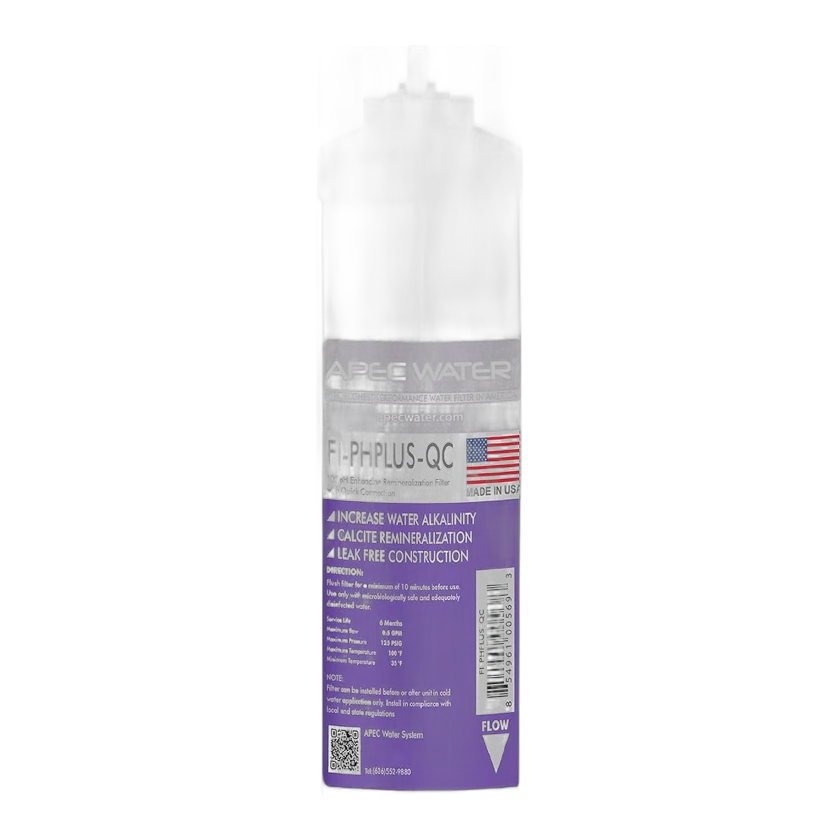
The cartridge that puts some calcium back and fixes the flat taste, and the one I rotate into my system as needed. It threads on after the existing stages, so it is an addition to the system rather than a replacement for anything. No pH health claims from me: it changes the taste and the mineral content, which is what it is for.
Purchase signal: Owned · rotated into the system as needed
Price: Around $36.
Trace Minerals ConcenTrace Drops
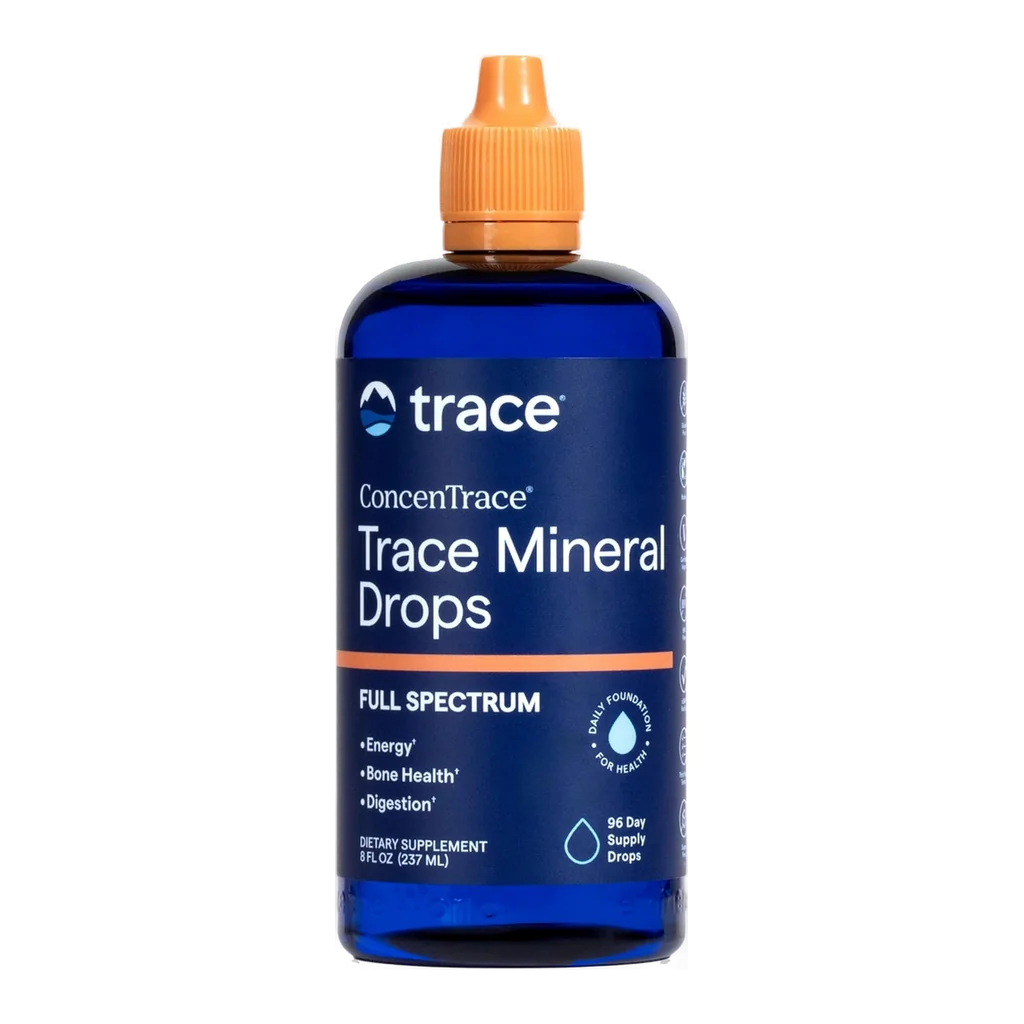
Concentrated trace mineral drops from the same company that makes the liquid magnesium I add to my RO water. I have bought them twice, in 2024 and again in 2025.
Purchase signal: Repeat buy · bought in 2024 and 2025
Price: Around $28.77.
HM Digital TDS-3 Meter
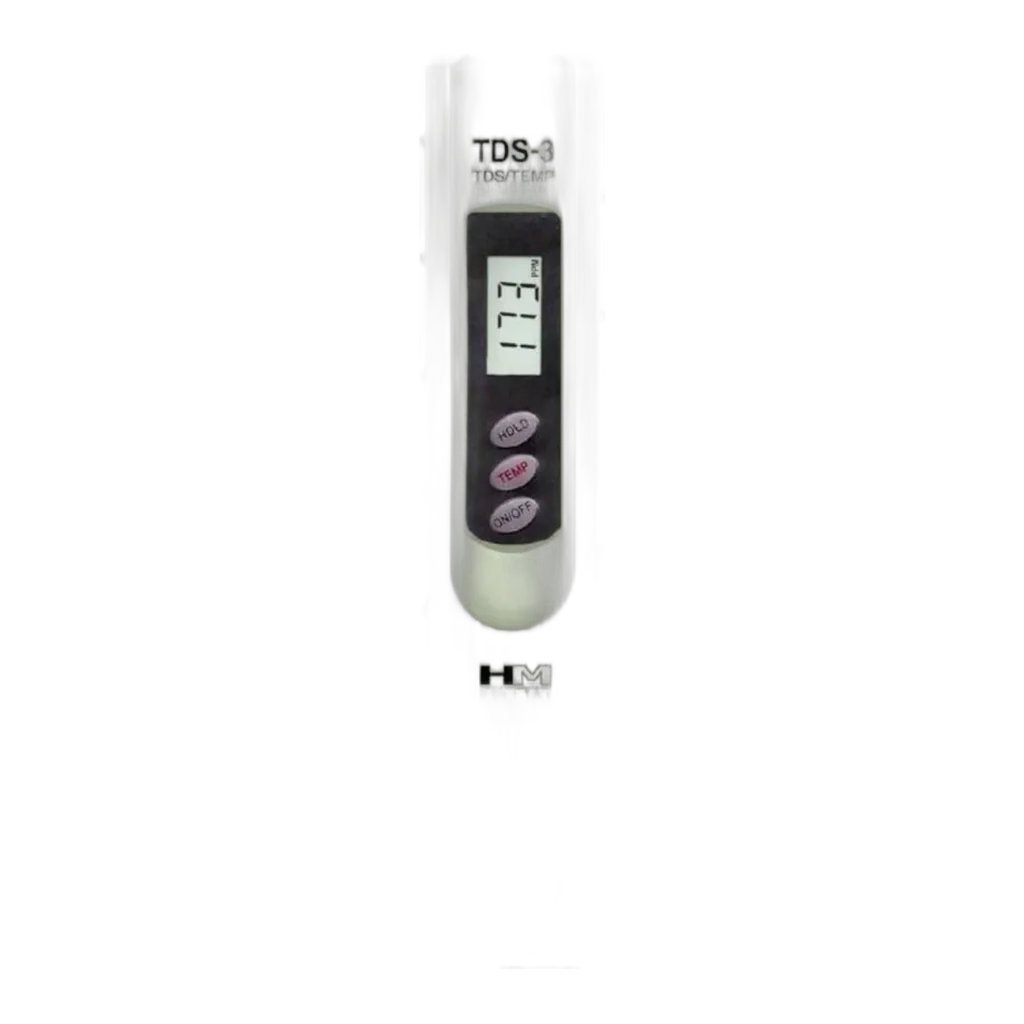
Not a mineral product, but the instrument that tells you what your system is doing. I own a handheld TDS meter and check the membrane with it now and then; my record does not name the brand, so this is the model my RO costs post links. Its real value is the trend over months, which is how you catch a dying membrane before your water quietly gets worse.
Purchase signal: Owned · used occasionally · brand not in my record
Price: Around $14.
Quick questions
Does reverse osmosis remove minerals?
Yes, most of them, along with the contaminants. That is the tradeoff and it is not a defect. A membrane cannot be selective about which small dissolved things it rejects.
Is reverse osmosis water bad for you?
Not in the way the internet says. Drinking water is a minor contributor to mineral intake compared with food. The WHO chapter that everyone cites is careful about this, and much of its evidence is decades old. The practical answer is that remineralising costs very little, so the question does not have to be settled for you to act on it.
Should I just drink tap water instead?
That depends entirely on your tap, which is the actual question and one a TDS meter cannot answer. I filter because of what is in the supply here, and the minerals are a side effect I manage rather than a reason to stop.
Do mineral drops fix the taste?
Partly. The alkaline cartridge does more for taste, because it is treating all the water instead of one glass. The drops are for the mineral content.
Is alkaline water healthier?
No, and I would be careful with anyone who tells you otherwise. The cartridge on my system raises pH as a side effect of adding calcium carbonate. Buying it for the pH would be buying it for the wrong reason.
The bottom line
The better part of two decades in, my view is that reverse osmosis is still the right call for my water and that stripping the minerals is a real, small cost of it rather than a myth invented to sell cartridges. The fix is a cartridge and a bottle of minerals for the water. The version of this argument that says your filter is giving you a deficiency is going well past what the evidence supports, and it is usually being made by someone with a product.
References
- Kozisek F. Health risks from drinking demineralised water. In: Nutrients in Drinking Water. Geneva: World Health Organization; 2005:148-163. WHO
Water quality is local. Nothing here is a substitute for knowing what is actually in your supply, which your utility publishes annually and which is the only place to start.
I earn a small commission if you purchase through these links, at no
additional cost to you. I only recommend products I’ve personally used or
researched thoroughly. This helps support the work behind Better Living
Every Day.