In This Article
Affiliate disclosure: This post contains affiliate links. If you buy something through my links, I may earn a small commission at no extra cost to you. I only recommend products I actually use or have researched thoroughly.
I wore a freshly washed dress shirt on a Wednesday last fall and itched all day. Not the obvious kind of itch, no rash, no hives, nothing visible. Just a low grade prickle along my collar and the insides of my wrists that I kept absentmindedly rubbing through every meeting. By 4pm I was actively miserable and could not figure out why.
When I got home I’d half convinced myself something was wrong with the dry cleaner. Then I remembered: it wasn’t dry cleaned. I’d run it through our own washer the night before, regular cycle, whatever detergent we always used. Tide Free & Gentle, I think. Maybe Persil at the time. The shirt looked clean. It smelled clean. And it had been bothering my skin for nine straight hours.
That was the thing that finally got me to read the bottle. I’d been using mainstream laundry detergent my entire adult life without ever once looking at what was in it. By the time I went to bed I’d written down a dozen ingredient names I couldn’t pronounce. The next morning I started swapping things out.
The full overhaul took months. A lot of the natural living advice online is wellness theater dressed up as research, so I burned cycles on things that didn’t work before landing somewhere reasonable. What follows is what I actually use now, around two years in, with the stuff I tried and ditched mentioned as warnings.
What’s Actually in Conventional Laundry Detergent
Start with fragrance, because it’s the most dishonest part of the label. Under U.S. cosmetic and cleaning product law, “fragrance” gets treated as a trade secret, which means a single word on the back of the bottle can stand in for a list of anywhere from a few dozen to several hundred actual chemicals. None of them have to be disclosed. Some are phthalates, used to make scents linger; phthalates are well documented endocrine disruptors. When your laundry smells like a meadow, you’re inhaling a proprietary mix that the company doesn’t have to tell you about and probably hasn’t tested for long term exposure. This isn’t a conspiracy thing. It’s how the law works.
Then there’s optical brighteners, which I think might be the sneakiest ingredient in the whole laundry aisle. They don’t clean. They’re not soap. What they do is absorb ultraviolet light and re-emit it as visible blue, which fools your eye into seeing whites as whiter than white. The trick is that they’re engineered to bond permanently to fabric. They don’t rinse off in subsequent washes, they accumulate. So you end up with a chemical that’s permanently bonded to your sheets and shirts, in skin contact for hours every day, and the only thing it does is play an optical illusion on you. Some of them are photoallergenic too, which means they cause skin reactions in sunlight.
1,4-dioxane bothers me the most. Not because it’s the most toxic, but because it’s not even on the label. It’s a byproduct of how ethoxylated surfactants get manufactured (any ingredient ending in “-eth” or starting with “PEG” is suspect). The EPA classifies it as a likely human carcinogen. Manufacturers aren’t required to test for it, so it shows up in a substantial chunk of mainstream cleaning products without anyone really tracking how much.
SLS and SLES are the foaming agents, they’re what gives detergent the suds people associate with “it’s working.” The cleaning isn’t the problem. The problem is they strip lipids off your skin the same way they strip grease off a pan, which is why if you have eczema or get rashes from new detergents, these are usually the suspects. SLES adds the 1,4-dioxane risk on top of that.
Last on the list: quats. Quaternary ammonium compounds. They turn up in anything labeled antibacterial or fabric softening. The research on them isn’t fully settled but the early signals aren’t great, respiratory irritation, possible antibiotic resistance contribution, and they’re persistent on fabric the way optical brighteners are.
Dryer Sheets: Arguably Worse
A lot of people who clean up their detergent forget about dryer sheets. I did too. They feel innocuous because they’re a small thing you toss in and pull out.
Mechanically, a dryer sheet is a heat activated chemical delivery system. The sheet is loaded with fragrance and cationic surfactants, frequently quats, and the dryer’s heat melts that coating onto every fiber it touches. Unlike the wash cycle, there’s no rinse afterward, so whatever transfers, stays.
A 2011 University of Washington study tested vent emissions from dryers running scented sheets and found dozens of distinct VOCs in the exhaust, including a handful classified as hazardous air pollutants. The interesting framing of that paper, to me, was: that’s the stuff coming out the vent. The same chemistry is on your clothes, just bonded to cotton instead of going outside.
Liquid fabric softener is the same idea moved one cycle earlier. Same fragrance, same quats, same silicone coating, just applied in the rinse. “Soft” in this context literally means “coated.”
My Actual DIY Routine
Castile soap is the base. I use Dr. Bronner’s because it’s everywhere and the company hasn’t done anything weird since the 60s. I’ve cycled through most of the scents over the past two years and rotated to whichever one I’m not bored of. Almond was a surprise favorite. The unscented baby version is what I default to lately because I’m in my “no smell” phase. Dose: about a third of a cup in our top loader. If you have an HE machine, you’ll need way less, like a tablespoon or two, because castile is super concentrated and barely sudses, which is actually what HE washers want.
Soap alone gets clothes around 80% clean. To get the rest, I add two powders to the drum before the load goes in.
First is washing soda. People sometimes substitute baking soda for it and that doesn’t really work because the chemistry is different. Baking soda is sodium bicarbonate, pH around 8 or 9, mildly alkaline, decent for deodorizing a delicate load. Washing soda is sodium carbonate, pH 11, and that bigger pH jump is what actually breaks up cooking grease and ground in sweat. I use washing soda for the heavy loads, workout clothes, kitchen towels, anything my kid wore outside. Baking soda only comes out when I’m doing wool or something delicate. Half a cup of whichever, straight into the drum before clothes.
Second: borax. There’s a thing where people see “borax” and assume “boric acid,” and they’re not the same compound. Boric acid is more processed and more toxic, used as an insecticide; borax is sodium tetraborate, which has been used as a laundry booster since literally the 1800s, there’s a brand called 20 Mule Team that goes back to the borax mining days in California. EWG gives it a middling score and most of that hazard rating is about industrial scale inhalation during mining and manufacturing, not pouring half a cup into your washer. At household use levels I’m fine with it. The “all natural” detergents on the shelf can’t get whites genuinely white the way borax does, because that’s the whole point of borax in the load.
Castile + washing soda + borax is the routine. My whites are white. My gym clothes come out of the wash smelling like nothing, which is the whole goal, clean isn’t supposed to smell like anything. The other thing I noticed about three months in: the persistent collar irritation rash I’d had for years, which I’d written off as just my skin being weird, stopped. That was probably the residue from whatever Tide or Persil I’d been buying.
Dryer Alternatives
I switched to wool dryer balls maybe two summers ago and haven’t bought a dryer sheet since.
How they work isn’t magic. They tumble around in the drum and physically separate clothes so hot air actually circulates instead of fabric matting together into a wet wad. Static gets cut down by friction instead of by chemical coating. The thing I didn’t expect: drying time dropped noticeably, I’d guess by 20-25%, but I’m eyeballing it. The dryer just finished earlier than it used to.
If you actually want a scent on your laundry, a few drops of essential oil on one of the balls before the cycle does it. Lavender’s the obvious one. Eucalyptus works. The smell is way more subtle than a dryer sheet, borderline imperceptible after the load comes out, but at least it’s a real plant smell and not a perfumer’s version of one.
A pack of six wool balls cost me around $20 on Amazon and they’re still going strong on what I’d estimate is a few hundred loads in. The unit economics versus buying a box of Bounce every other month aren’t even close.
Stuff I no longer keep in the laundry room: dryer sheets, liquid fabric softener, and the various “static eliminating” sprays that are basically liquid quats in a spray bottle.
Store Bought Options If DIY Isn’t Your Thing
If you don’t want to mess with measuring powders and just want a bottle to pour from, here are the ones I’ve used and would buy again.
Branch Basics is the one I recommend most. Their starter kit is annoying upfront, like $69, but it’s a bottle of concentrate that makes a couple dozen bottles of finished cleaner, and it covers laundry plus dishes plus general all purpose cleaning, so the per bottle cost ends up below mainstream. The ingredients are short and plant based. No fragrance, no brighteners. It’s the closest thing in this category to “buy it and forget it.”
Molly’s Suds is the budget pick. Powder or liquid, short ingredient list, EWG-verified, around $15 for a bag that lasts a while. Solid for sensitive skin. Performs.
Dropps makes pods, which I personally don’t use because I find the dosing imprecise, but if you’re a pod loyalist their formulation is meaningfully better than Tide pods and the packaging isn’t another plastic jug.
Seventh Generation is the one I’m conflicted on. It’s an improvement over conventional Tide, especially the free and clear version. But it still contains a couple of things I’d rather not have, and a few of those items get yellow flagged by EWG. If it’s the only thing on your local shelf, sure. If you have access to anything else here, pick something else.
Product Recommendations
Dr. Bronner’s Pure-Castile Liquid Soap
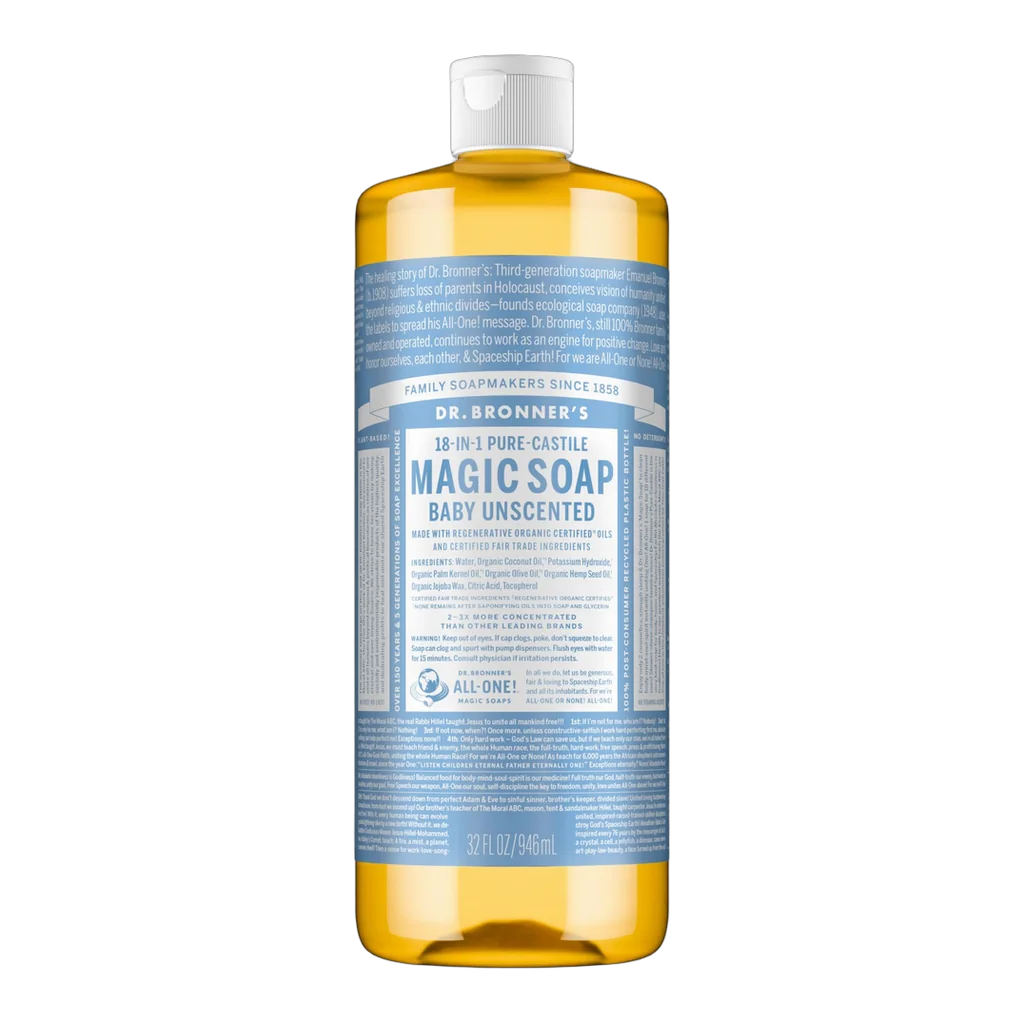
The whole line works for laundry. Lavender and peppermint are the popular picks. The almond is worth trying. Use about 1/3 cup for a top loader, 1-2 tablespoons for HE.
Price: Around $18 for a 32oz bottle (months of laundry).
Arm & Hammer Super Washing Soda
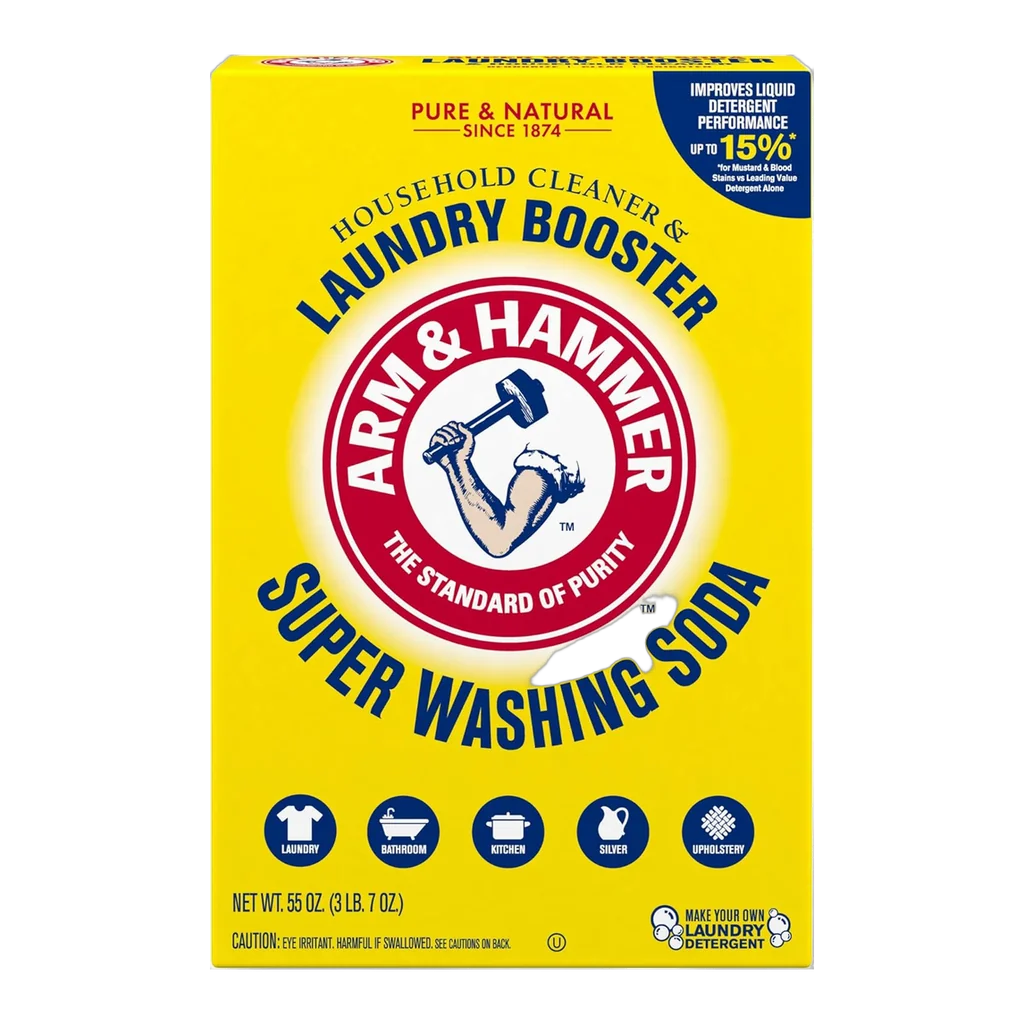
Standard washing soda, available everywhere. Half a cup per load alongside castile soap is what makes the routine actually work on heavy soil. Don’t confuse this with baking soda, different chemistry, different job.
Price: Around $5 for a 55 oz box. Lasts months.
20 Mule Team Borax
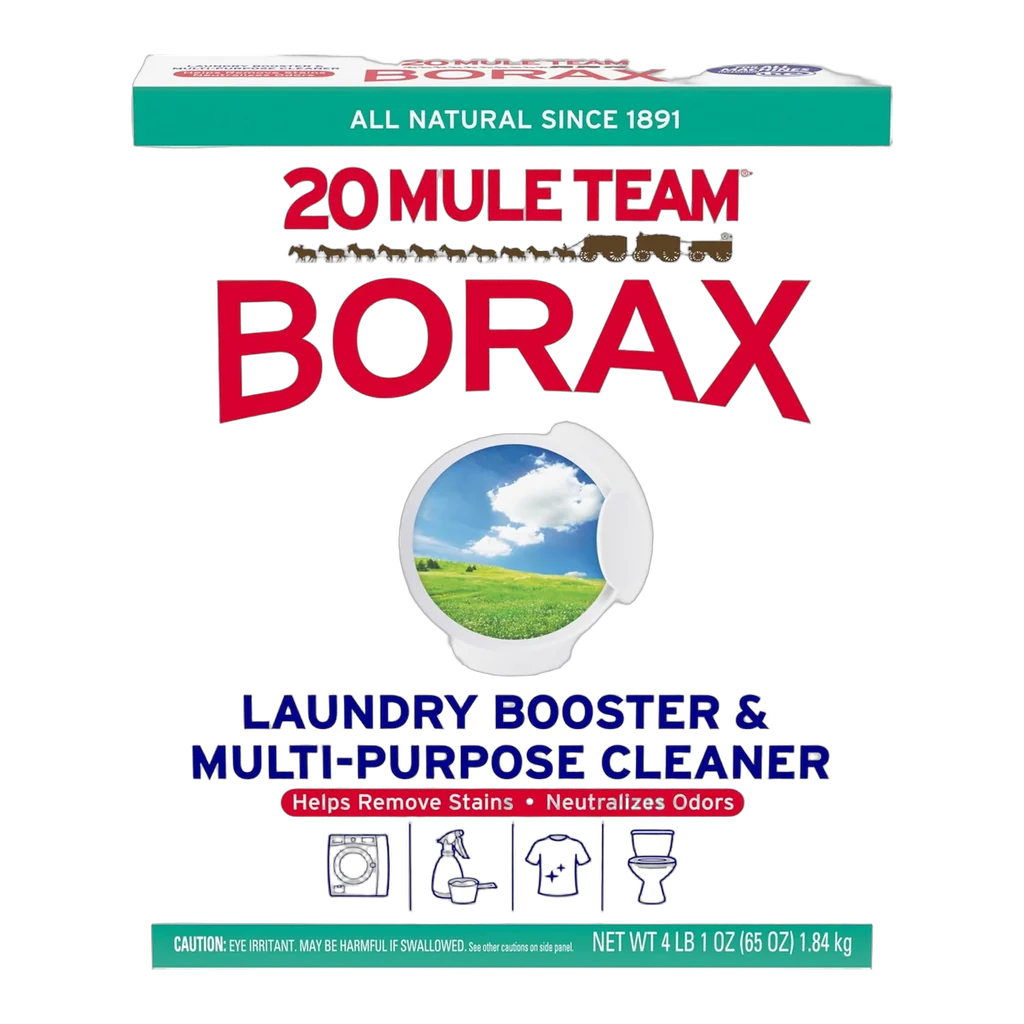
Around since the 1890s for a reason. Half a cup per load as a brightener and deodorizer. Sodium tetraborate, not boric acid, the two get conflated and they’re different compounds.
Price: Around $6 for a 65 oz box.
Wool Dryer Balls (Friendsheep or Similar)
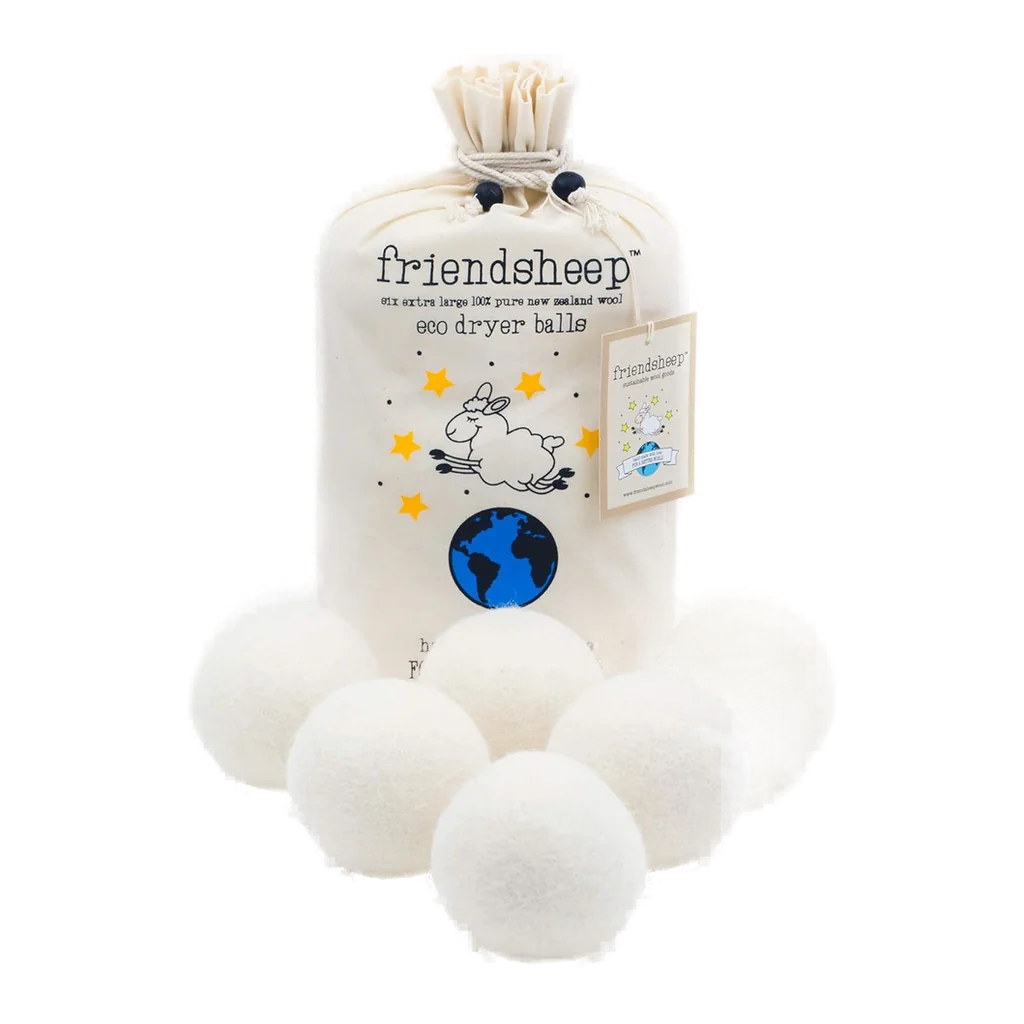
100% New Zealand wool, XL size. A 6-pack is the right amount for a full dryer load. Replaces dryer sheets indefinitely, lasts hundreds of cycles.
Price: Around $15-25 for a 6-pack.
Branch Basics Starter Kit
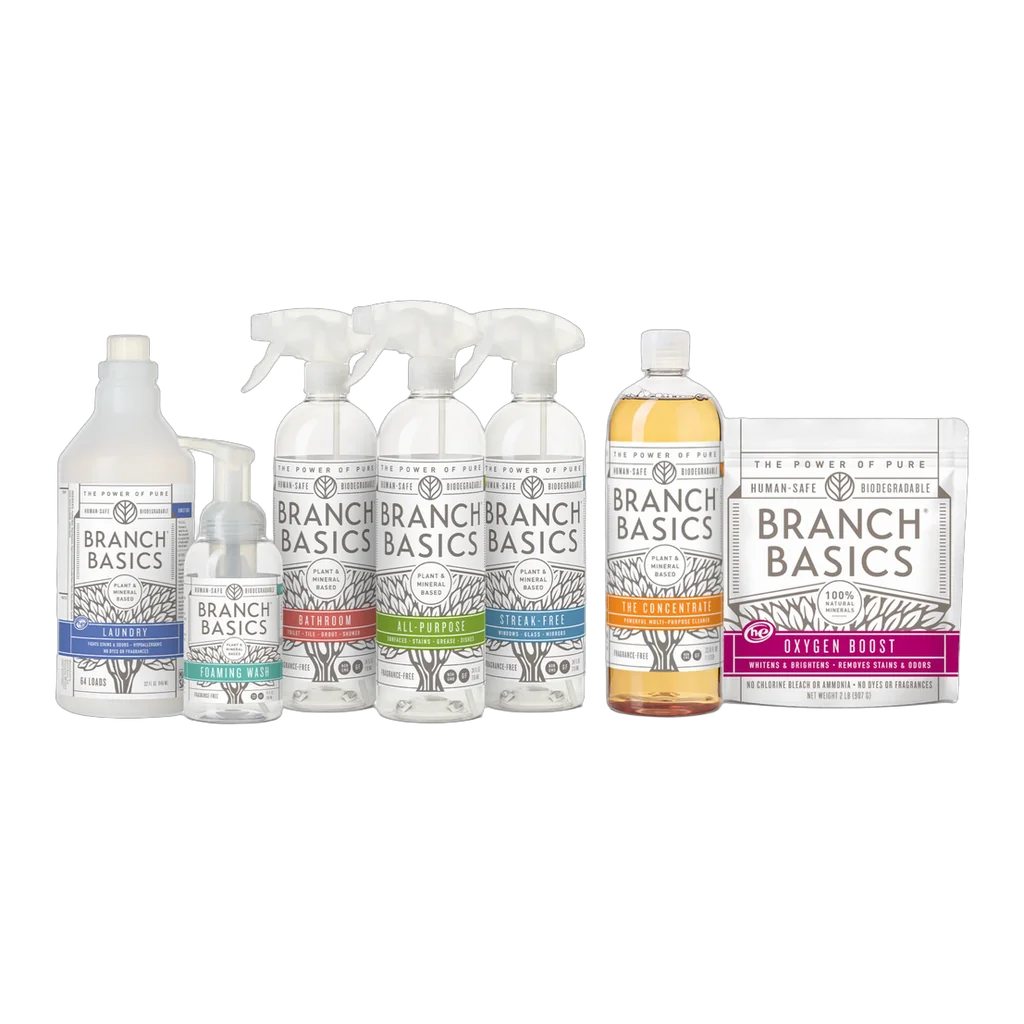
The cleanest premade laundry formula I’ve used. One bottle of concentrate makes dozens of loads, so the per load cost is competitive with mainstream detergent despite the upfront price. Plant based surfactants, no fragrance, no brighteners.
Price: Starter kit around $69 (covers laundry, dishes, and general cleaning).
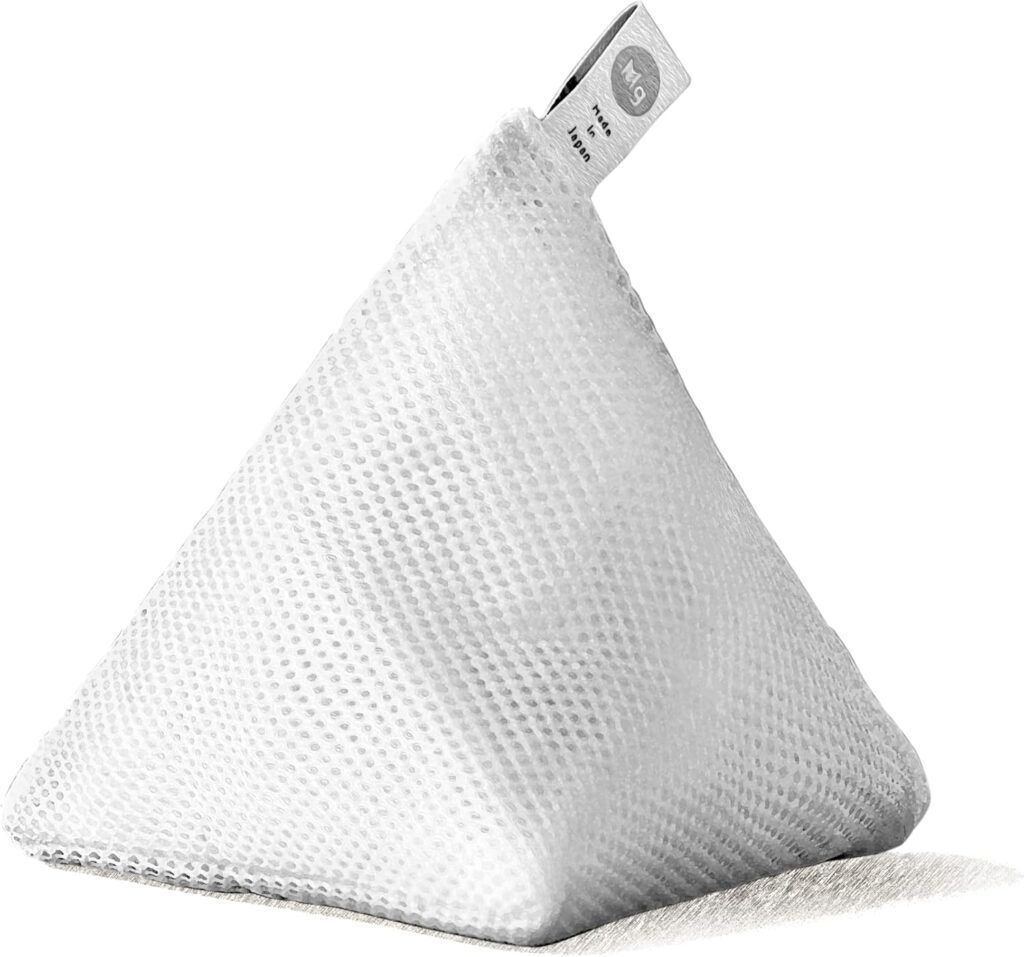
IPPINKA Eco Wash Laundry Detergent Bag (140g Magnesium)
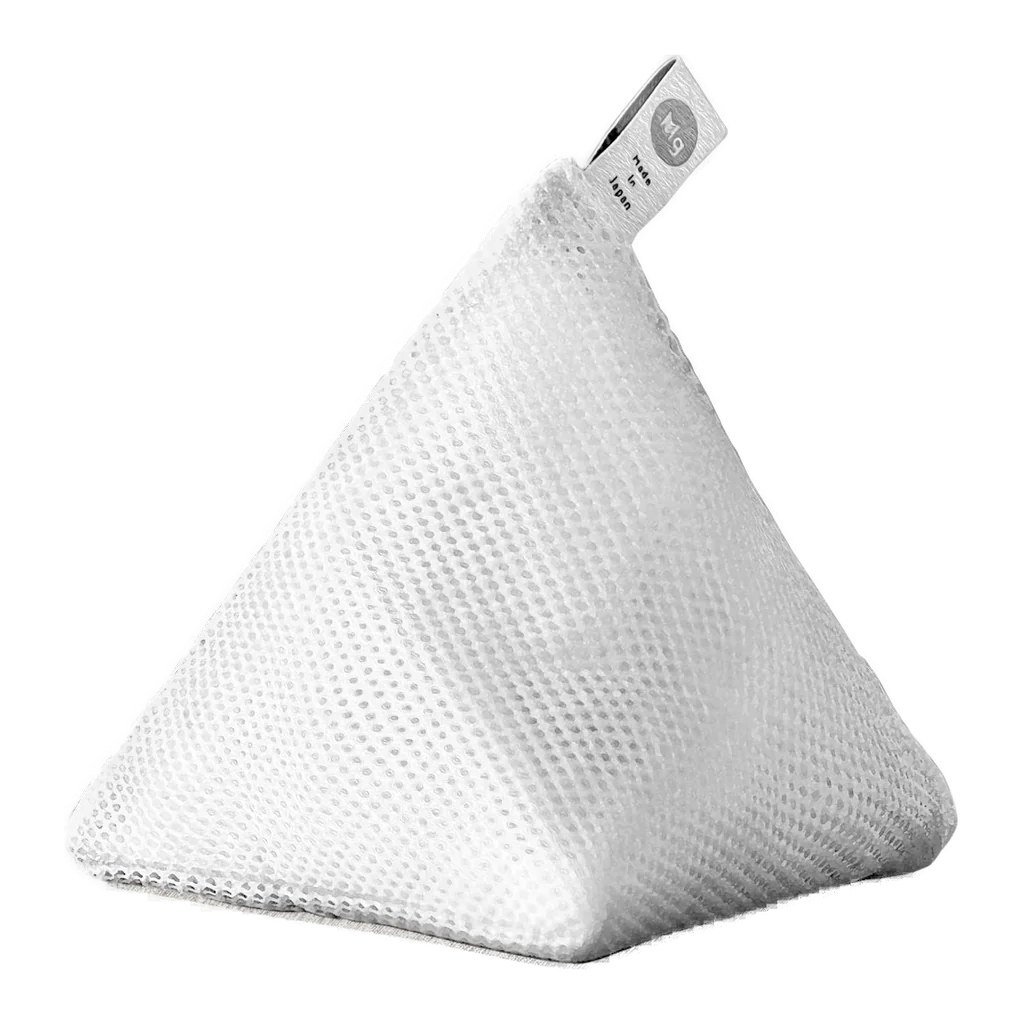
The experimental pick. A reusable mesh bag containing 140g of high purity magnesium beads, toss it in with the load and it raises wash water pH enough to lift dirt off fabric without soap. Made in Japan. Verdict so far: works on lightly soiled loads (everyday wear, sheets, gym shirts), doesn’t handle heavily soiled stuff (mud, grease) on its own. Not a full replacement for the DIY routine yet, but interesting if you want to test something genuinely novel.
Price: $38.95 for the IPPINKA bag, reusable for ~365 loads (about a year of weekly washing).
FAQ
Is borax actually safe?
At household laundry use, half a cup per full load, yes, fine. The hazard profile for borax is mostly about ingesting it or inhaling it in industrial quantities, neither of which is what’s happening when you scoop some into a washer. The boric acid confusion comes up a lot; they’re related compounds but boric acid is more processed and more toxic, and it’s used as an insecticide. Borax isn’t. I’ve been using it for two years without incident. If you’re pregnant or washing a lot of stuff for an infant, you can skip it without losing much, just lean on washing soda.
Does this work in HE machines?
Yes, but use less soap. HE machines run on less water and aren’t tolerant of suds, which is part of why castile suits them, it doesn’t foam much. A tablespoon or two per load, not a third of a cup. The powders dissolve fine.
Will it void my washer warranty?
No. The thing that voids warranties is running high sudsing detergent in an HE machine, or overdoing the dose and causing a suds overflow. Low sudsing biodegradable soap at the right amount is fine.
Does it actually clean as well as Tide?
Clothes come out clean. They don’t come out smelling like Tide, which sometimes registers as “not as clean” because we’ve been trained to associate that smell with cleanliness. Real clean smells like nothing. For genuinely heavily stained stuff, grease on a kitchen towel, dried mud, I’ll pre-soak in warm water with a scoop of washing soda for about thirty minutes before the wash. Haven’t run into anything that approach hasn’t handled.