“Nature’s Ozempic.” That’s what made berberine show up on TikTok in 2023, and it’s why it’s been on the top-20 cholesterol supplements list ever since. The marketing claim is that a $20 bottle of plant extract works basically like a $1,000 GLP-1 injection. The honest version is more complicated. Berberine is a real, well-studied compound with measurable effects on blood sugar and cholesterol. It’s also not Ozempic. Not even close.
I started taking it about six months ago because my fasting glucose had been creeping up (high 90s, which isn’t diabetic but isn’t ideal either) and I’d been reading the meta-analyses. What I noticed: the fasting glucose dropped about 8 points over three months. My weight didn’t change. My energy didn’t change. So, real effect, narrowly. Not a miracle. This article is the honest version of what berberine does, the four brands worth buying, and why you should probably stop scrolling past the Ozempic comparison.
The “nature’s Ozempic” claim, honestly assessed
Let me just walk you through what it actually does, because the marketing hype is wild and the truth is way more boring. Berberine flips on an enzyme in your cells called AMPK. That’s the same enzyme metformin flips on. When AMPK is awake, your cells start listening to insulin again, your liver dials back its glucose dumping, and a bunch of metabolic stuff quietly reorganizes in a direction that looks a lot like what happens when you skip a meal.
The blood-sugar effect is real. The biggest review of the research I’ve seen pooled 27 studies and over 2,500 patients, and the takeaway was that at 1500mg a day for three months, fasting glucose drops by about 13 mg/dL and HbA1c by roughly half a point. Not nothing. Honestly comparable to a starter dose of metformin, which is why some doctors I’ve talked to call this “the supplement that thinks it’s a drug.”
Cool. Now the Ozempic part, which is where things go off the rails. Semaglutide (Ozempic) works on a completely different system. It’s a GLP-1 agonist, meaning it tells your brain you’re full and slows your stomach emptying way down. Average weight loss on it at one year is around 15 percent of body weight. Now berberine. Average weight loss on berberine, from those same meta-analyses, is three to five pounds over three months. So if you’re keeping score: similar direction, but about a fifteenth of the magnitude. Calling berberine “nature’s Ozempic” is like calling a bicycle “nature’s Tesla.” Both are transport. The comparison flatters one of them, and it’s not the bike.
OK so who is this actually for? People with prediabetes. People with type 2 diabetes (alongside their meds, not instead). People with high LDL. Folks with PCOS. The blood sugar evidence is the strongest. The cholesterol part is real but smaller. The weight loss is, again, modest. If you’re metabolically healthy and just hoping for a magic pill, this isn’t your supplement. Try a walk first.
One last thing that matters. Berberine is genuinely terrible at getting absorbed. Plain HCl is about 5 percent bioavailable, which means 95 percent of what you swallow is just passing through. That’s why the doses are so high (1500mg) and why fancier formulations using phytosome or liposome delivery exist. I’ll get to those in the picks.
Product recommendations
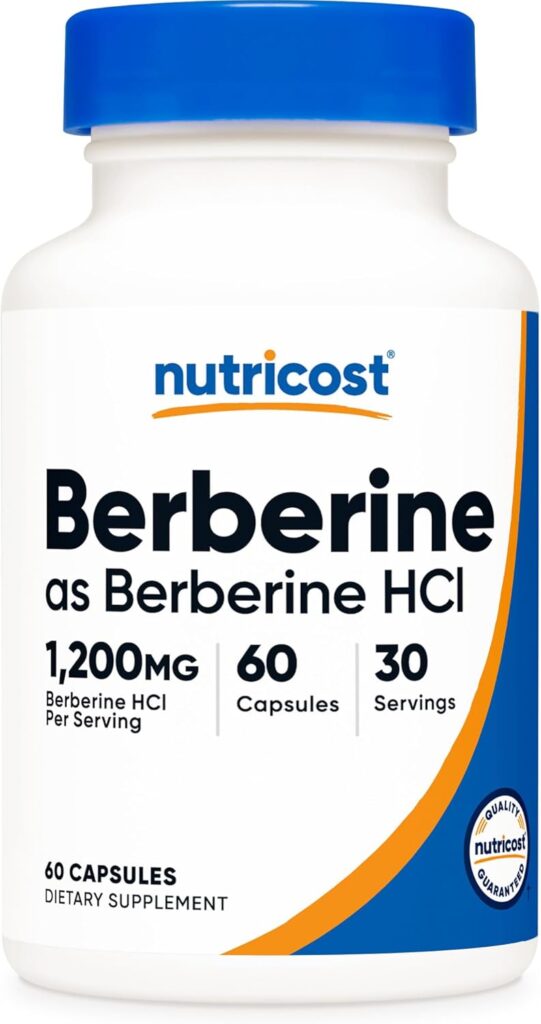
Nutricost Berberine HCl 1200mg (the high-dose budget pick)
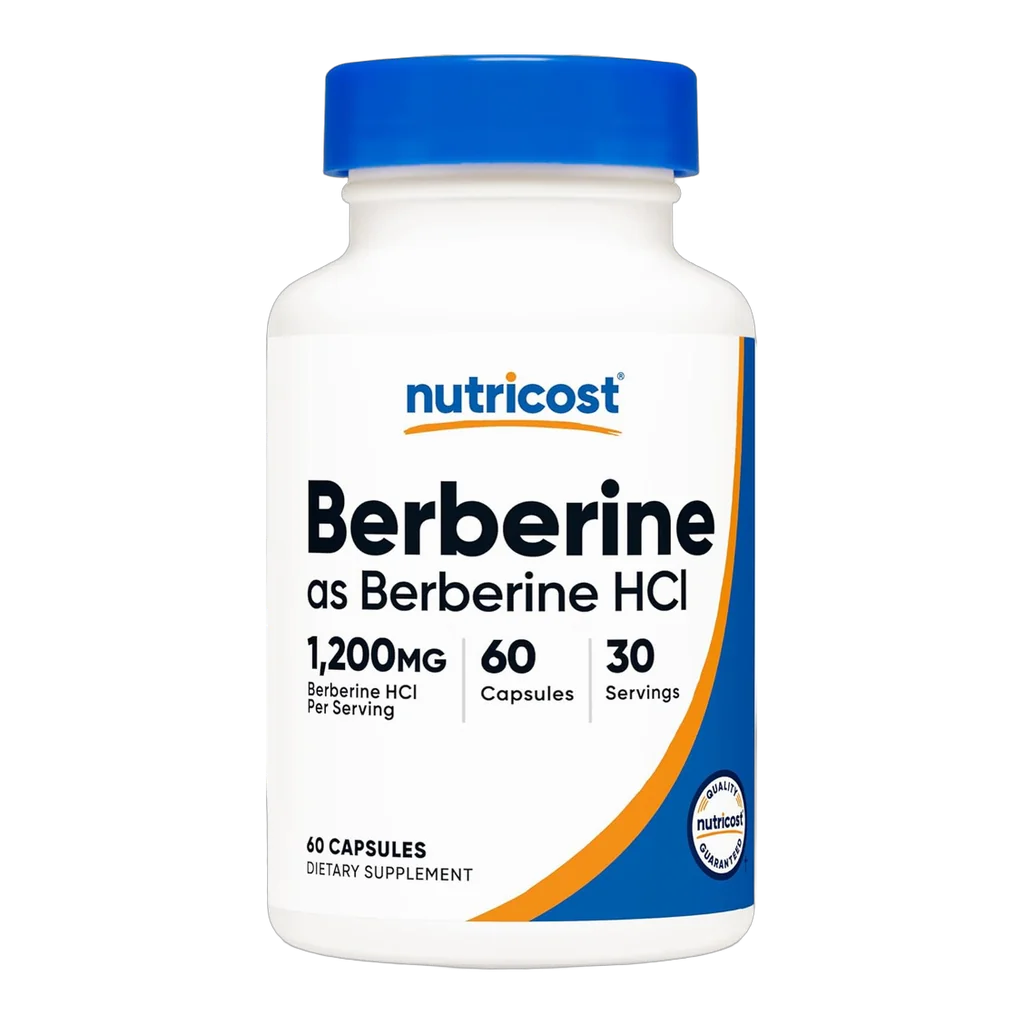
Nutricost again, and again it’s the budget winner. 1200mg per two-capsule serving, which is in the ballpark of the research dose. The 60-capsule bottle gives you a month at the standard split-dose protocol (two caps three times a day works out differently, but most people take this at 600mg twice daily, which works fine). The “HCl” form is standard berberine; absorption isn’t enhanced but the price is unbeatable. If you want to try berberine for three months to see if it does anything for you, this is the right starting bottle.
Form: Berberine HCl, 600mg per capsule.
Dose: 2 capsules twice daily (2400mg total), or 1 cap three times daily (1800mg total).
Bottle: 60 capsules.
Price: Around $19.
My take: The right starting point. Cheap enough to try without commitment, dosed where it should be, and Nutricost’s QC is consistent. Don’t expect dramatic. Track your fasting glucose if that’s why you’re taking it.
NOW Berberine HCl 500mg (the mid-tier reliable brand)
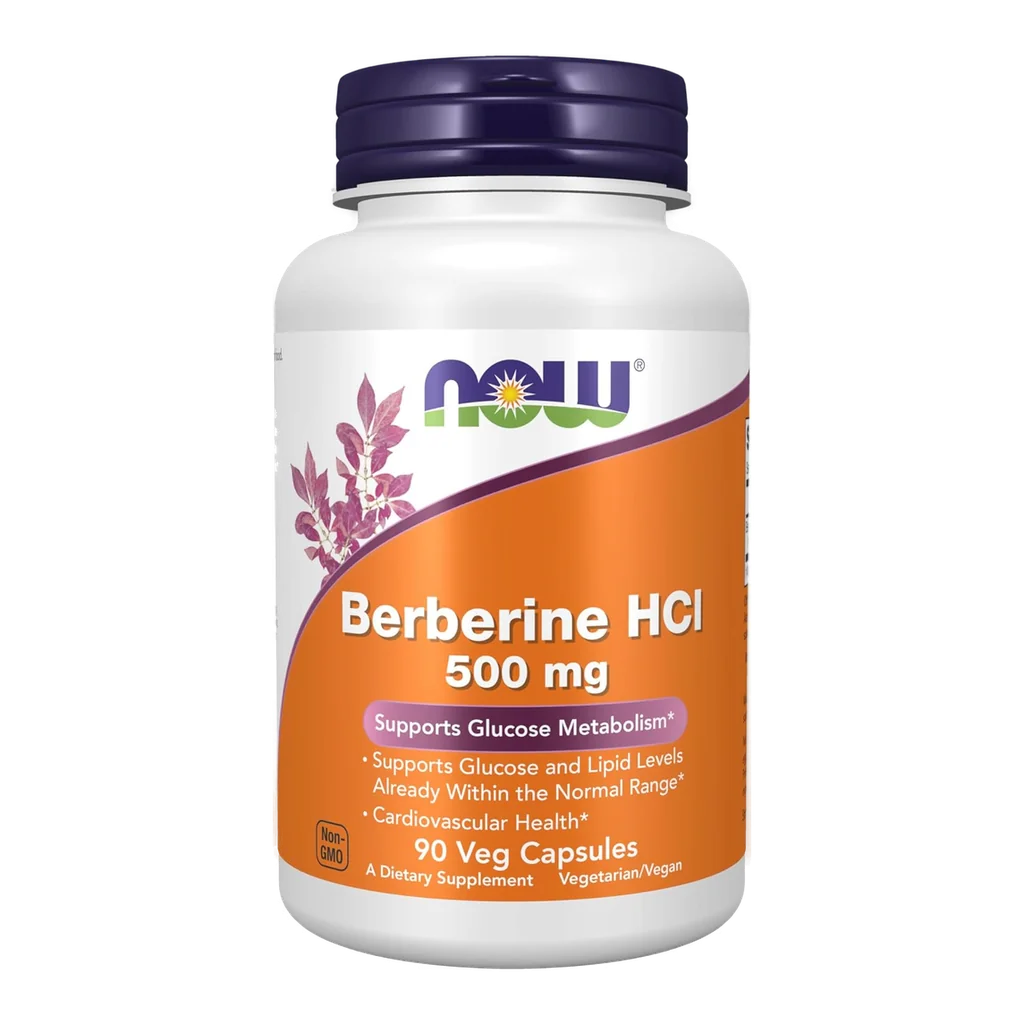
NOW Foods has been the trusted middle-of-the-market supplement brand for decades. 500mg per capsule means you take three a day to hit the standard 1500mg research dose, which is honestly the cleaner protocol because it spreads the GI load (more on that in a sec). The brand publishes batch testing data and has been GMP-certified longer than most competitors have existed. Slightly more expensive than Nutricost on a per-milligram basis, but the brand reputation is real.
Form: Berberine HCl, 500mg per capsule.
Dose: 1 capsule three times daily (1500mg total).
Bottle: 90 capsules.
Price: Around $20.
My take: The right pick if you trust NOW (which I do) and want the three-times-daily protocol. The 500mg per cap is also the dose used in most of the clinical trials, which is a small but real point in its favor.
Berberine Phytosome (the higher-absorption upgrade)
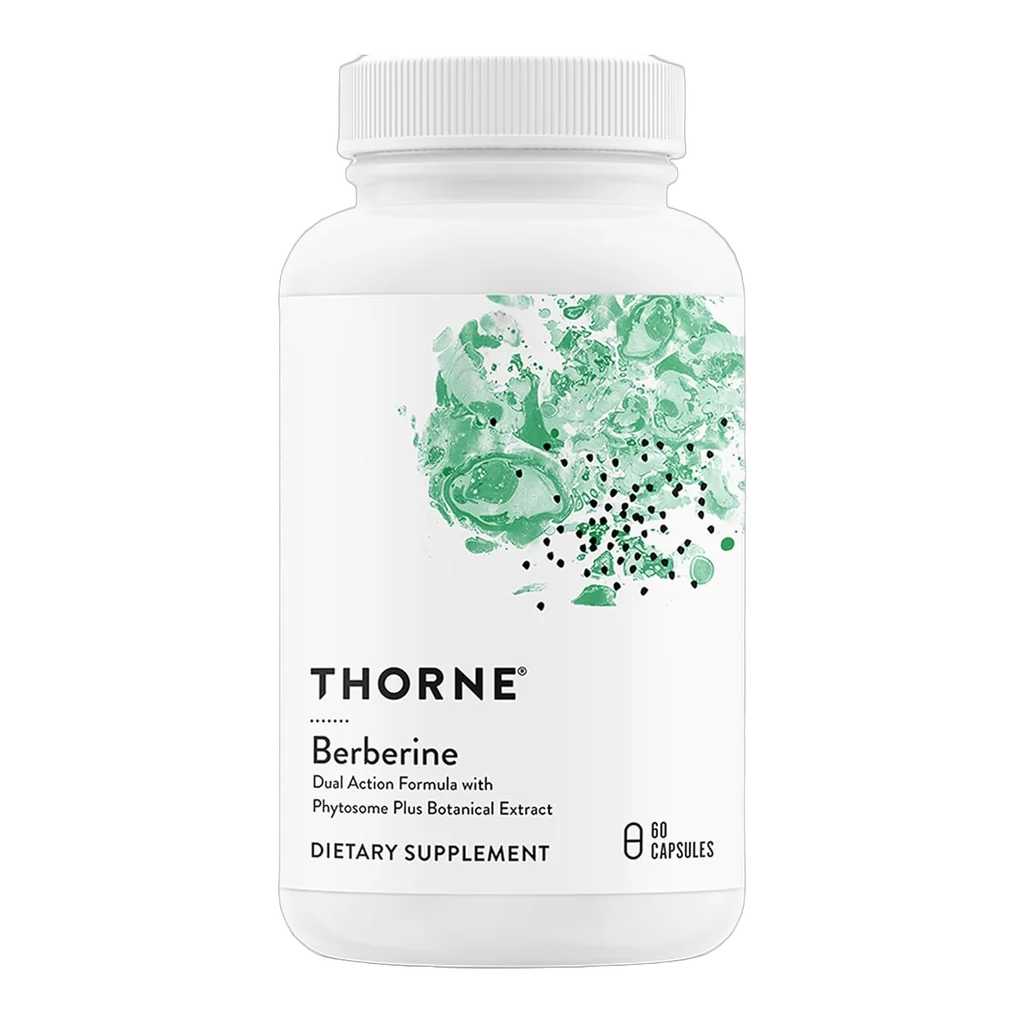
For people who tried plain berberine and didn’t see results, the phytosome formulation is a real technology, not just marketing. The berberine molecule is bound to phosphatidylcholine, which makes it dramatically more bioavailable (research suggests 10x absorption versus plain HCl). The catch: phytosome berberine is significantly more expensive per capsule, so it’s only worth the premium if standard berberine hasn’t worked for you. Some formulations also include supporting botanicals like silymarin (milk thistle) for additional liver and metabolic support.
Form: Berberine phytosome + supporting botanicals.
Dose: Lower dose due to higher absorption (per label).
Best for: People who didn’t respond to plain HCl berberine.
Price: Around $30.
My take: The right upgrade if you’ve already tried berberine HCl and want better absorption. The bioavailability research is real. Not the right starting point because the premium is steep.
97% Purity Berberine, Third-Party Tested (the QC-obsessed pick)
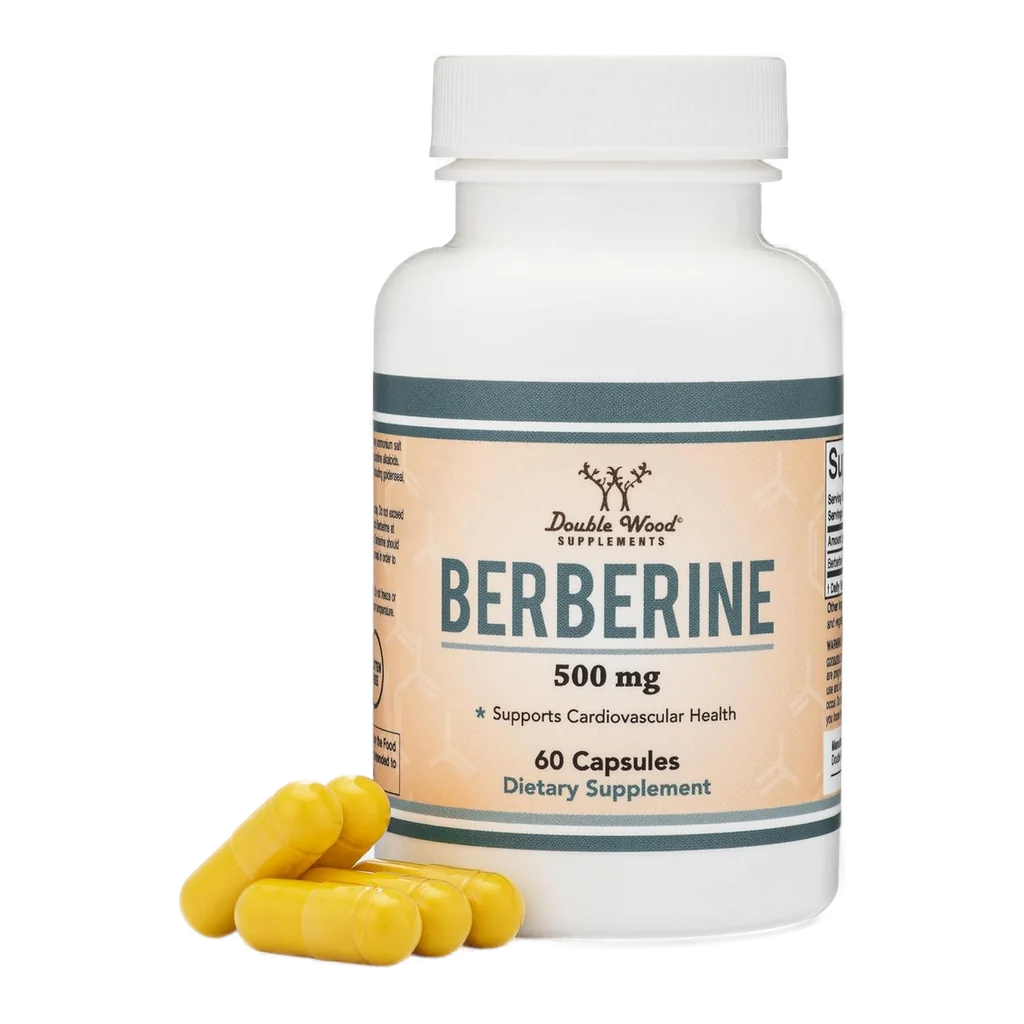
For folks who care about ingredient purity claims. Most berberine supplements are in the 90 to 95 percent purity range, which is fine. This particular product publishes 97 percent purity and includes a third-party Certificate of Analysis with each batch. 500mg per capsule. The premium over Nutricost is modest, around 30 percent, and the certification is genuine. If you’re picky about source documentation, this is the better-documented option.
Form: Berberine HCl, 97% purity verified.
Dose: 500mg per capsule, 3 daily.
Bottle: 60 capsules.
Price: Around $25.
My take: The right pick if you’re certification-obsessed or have had bad experiences with cheaper brands. The 97 percent purity claim is documented per batch, which is unusually transparent for the category.
How to actually take it
Don’t slug 1500mg all at once. I learned that the hard way. The first week I just took three capsules with breakfast, and by mid-morning I was bloated and cramping. Total rookie move. Split it up. Either 500mg three times a day, or 750mg twice a day, both with food. Two reasons it has to be split. The half-life of berberine in your blood is short, only a few hours, so one big dose just spikes and falls. And the GI side effects (yeah, those are real, and I’ll get to them) hit way harder at one big dose than at smaller ones spread out.
Food matters. Not just any food, ideally something with some fat in it. Empty stomach is rough. The fat helps the (already lousy) absorption and softens the gut impact. I take mine with lunch and dinner now. Skipping the midday third dose if I’m running around is fine; the twice-a-day protocol still works.
Be patient. Berberine is not a “feel something tomorrow” supplement. The fasting glucose effect started showing up for me around week four. The cholesterol piece took longer, more like three months before my lipid panel showed anything I’d believe. So don’t quit at two weeks because nothing happened. It’s not going to.
And actually measure something. This is the part people skip and then complain that berberine “didn’t work.” Get a baseline fasting glucose before you start. Cheap finger-prick at home, or just ask for it next time you’re at the doctor. Then recheck at 60 days and again at 90. If you’re taking it for cholesterol, same idea but with a lipid panel. If nothing has moved at 90 days, this isn’t your supplement and you can quit guilt-free.
FAQ
Can I take berberine with metformin?
Ask your doc. They hit the same AMPK switch, so doubling up can stack the effects (which might be what you want, or might be too much). Most endos I’ve seen are fine with the combo at lower doses; some would rather you just pick one.
Will it help me lose weight?
A little. Studies put it at three to five pounds over three months, mostly because your insulin sensitivity gets better, not because you’re hungrier or fuller. If you’re picturing GLP-1 weight loss you’re gonna be let down. If you’re picturing “modest help on top of better food and a walk,” yeah, that fits.
What about side effects?
Mostly your gut. Bloating, weird stools either direction, sometimes cramping, especially when you take a lot at once. Split the dose, problem mostly goes away. Long-term safety is actually pretty solid (decades of Chinese medicine use plus modern trials), but it does interact with a bunch of prescription meds, so flag it to your pharmacist if you’re on anything.
Berberine vs metformin?
Same enzyme, similar glucose drop at the right doses. Metformin is the gold-standard prescription for type 2 diabetes and basically free with insurance. Berberine is the OTC version for people who aren’t diabetic, can’t handle metformin’s gut side effects, or just don’t want a doctor visit for it.
Can I take it during pregnancy?
No. It crosses the placenta and isn’t safe during pregnancy or while breastfeeding. If you got pregnant while taking it, just call your OB.
Do I need to cycle off?
Probably not. Some natural-medicine folks suggest 3 months on, 1 off, to dodge tolerance. The evidence for that is thin. Years of continuous use is well documented in diabetes management and the effect doesn’t seem to fade.