In This Article
Short version: fry in a fat with very little polyunsaturated fat in it. Beef tallow, lard, refined avocado oil, ghee and olive oil all qualify. Most seed oils do not, and that one number explains most of the difference.
I cook with tallow, lard and avocado oil all the time. This is what separates a good frying fat from a poor one, which of them I have actually bought, and the avocado oil problem that most frying guides skip over.
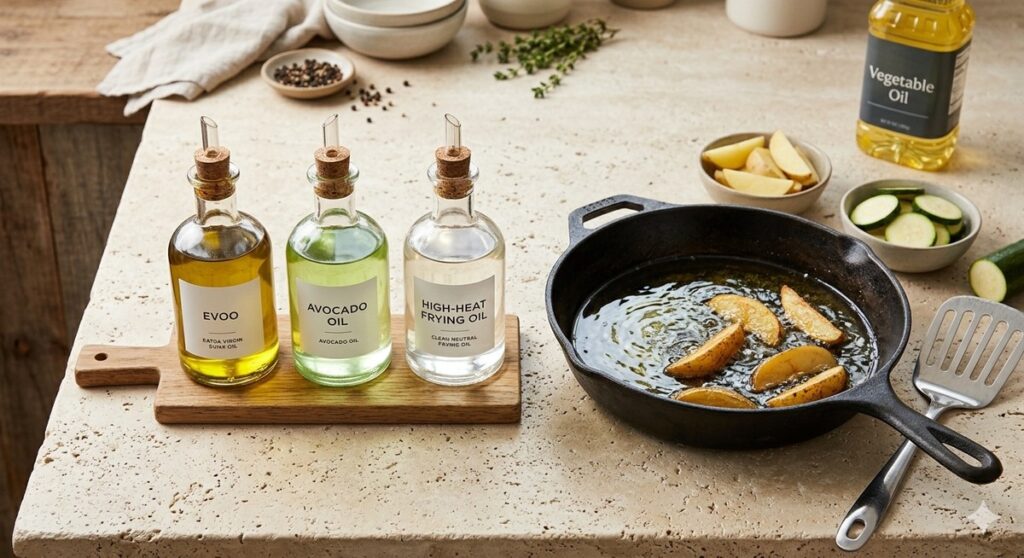
Why one fat fries better than another
A fryer is rough on fat. It sits hot for a long time, open to the air, with water spitting out of the food into it. In those conditions the double bonds in polyunsaturated fat react with oxygen and the fat starts to break down. Saturated fat has no double bonds. Monounsaturated fat has one. Both cope far better.
So when you read the table below, read the last column first.
| Per 100 g (USDA) | Saturated | Monounsaturated | Polyunsaturated |
|---|---|---|---|
| Beef tallow | 49.8 g | 41.8 g | 4.0 g |
| Lard | 39.2 g | 45.1 g | 11.2 g |
| Avocado oil | 11.6 g | 70.6 g | 13.5 g |
Olive oil sits mostly in the monounsaturated column and ghee mostly in the saturated one, so they belong with this group too.1
What about smoke point? It is the number everyone quotes, and it is less useful than it looks. Figures for the same fat disagree from one source to the next, and refining changes them a lot. The make up of the fat tells you more than any single number on a bottle, which is why you will not find smoke points in this post.
Frying fat can be used more than once. Let it cool, strain it through a fine sieve or cheesecloth, and keep it covered somewhere cool. When it has gone dark, foams up, smells sharp or starts smoking at a lower heat than before, it is done. Each round wears it down a little more.
Beef tallow
Tallow has the least polyunsaturated fat of anything here, so it is the most stable of the everyday frying fats. It also tastes of beef unless it has been heavily refined. On potatoes that is a feature. On a delicate fish, less so.
South Chicago Packing Wagyu Beef Tallow (the most stable frying fat)
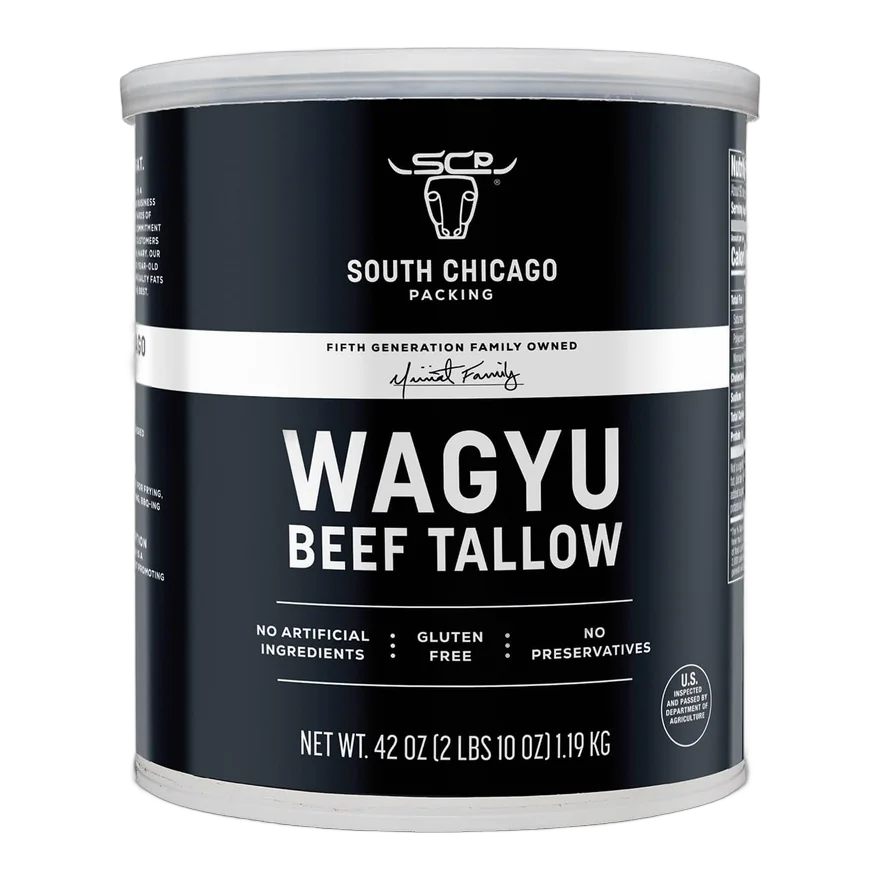
I have also bought tallow from local ranchers at farmers markets, but you can’t click through to a rancher. This big tub is the one in my order history.
Purchase signal: Twice, in 2023 and then 2025.
Price: $29.69 for 42 oz on September 26.
Lard
Lard is softer and milder than tallow. It has about three times as much polyunsaturated fat, but that is still a small amount next to any seed oil. Plain lard is a perfectly good frying fat. Leaf lard is the fancy kind and usually goes into pastry, partly because of the price.
Fatworks Pasture-Raised Leaf Lard (the pastry lard)
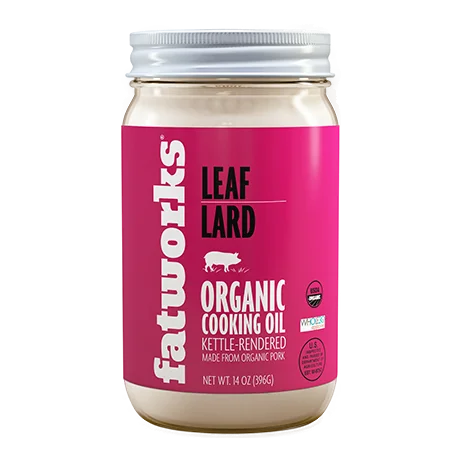
The lard in my record. Pricey to pour into a pot, so plain lard is the better buy for deep frying and this one is for pie crust.
Purchase signal: Once, in 2022.
Price: $34.99, 14 oz jar, on September 26.
If you are deciding between the two, tallow vs lard has the side by side.
Duck fat
Duck fat is a favorite of mine as well. It is rendered the same way as the others, and it is mostly monounsaturated and saturated fat. The price usually makes it a roasting fat rather than something you fill a fryer with.
Fatworks Duck Fat (for roasting)
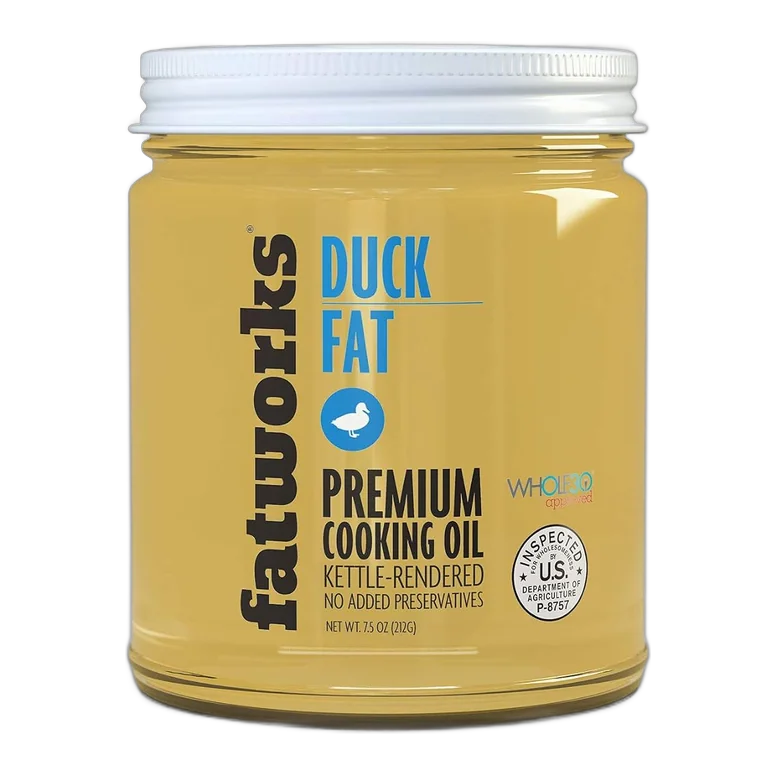
A small jar for the money. Roast potatoes, yes. A full fryer, no.
Purchase signal: A favorite, though it isn’t in my Amazon history, so I have no dates for it.
Price: $34.99 for 7.5 oz when I looked on September 26.
Refined avocado oil, and the catch
Avocado oil is mostly monounsaturated and tastes of almost nothing, which is why it is the plant oil people reach for. The refined kind takes high heat better than the unrefined kind.
The problem is whether the bottle actually holds avocado oil. In 2020 UC Davis tested 22 bottles sold in the US and found most of them rancid or mixed with other oils. Two came back both pure and fresh: Chosen Foods and Marianne’s.2 Then in July 2026 a second UC Davis study looked at 54 packaged foods made “with avocado oil”, things like chips, mayonnaise and dressings, and 48 of them did not match real avocado oil.3 That study did not test bottled oil at all, so it says nothing either way about what is in your bottle.
The avocado oil I have bought and used is Marianne’s. Nobody has retested it since 2020, so the honest version is this: it passed then, and nothing has turned up against it since.
Marianne’s Organic Avocado Oil (the neutral one)
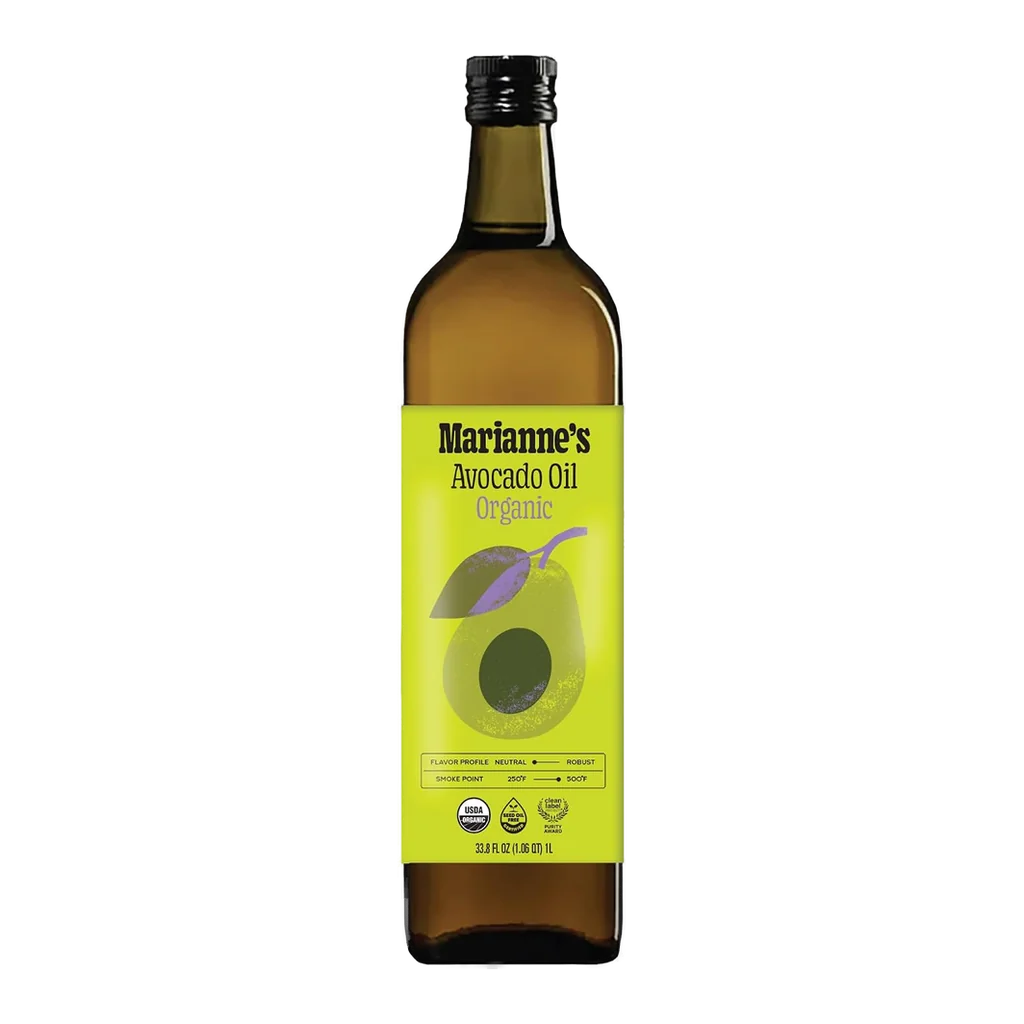
Tastes of almost nothing, which is what you want in mayo. The UC Davis story is just above.
Purchase signal: Bought and used. It came after my Amazon history was pulled, so no date.
Price: $37.50 a liter on September 26.
Why this site now points to Marianne’s is explained in the homemade mayo post.
Ghee
Ghee is butter with the water and milk solids cooked out. Losing the milk solids is what lets it handle more heat than butter, and it is mostly saturated fat, so it holds up. Filling a pan with it gets expensive fast.
Olive oil
Olive oil is mostly monounsaturated and fine for pan frying. Extra virgin has a strong taste and a high price, so most people save it for dressings and gentler cooking, and fry in a lighter olive oil or something else.
Algae oil
This one is new. It is made from algae and sold as an alternative to seed oils. The brand I bought, Algae Cooking Club, says it is high in omega 9, the same monounsaturated oleic acid that dominates olive and avocado oil. I bought it once, in 2025. That is all my record shows.
Algae Cooking Club Algae Oil (the new one)
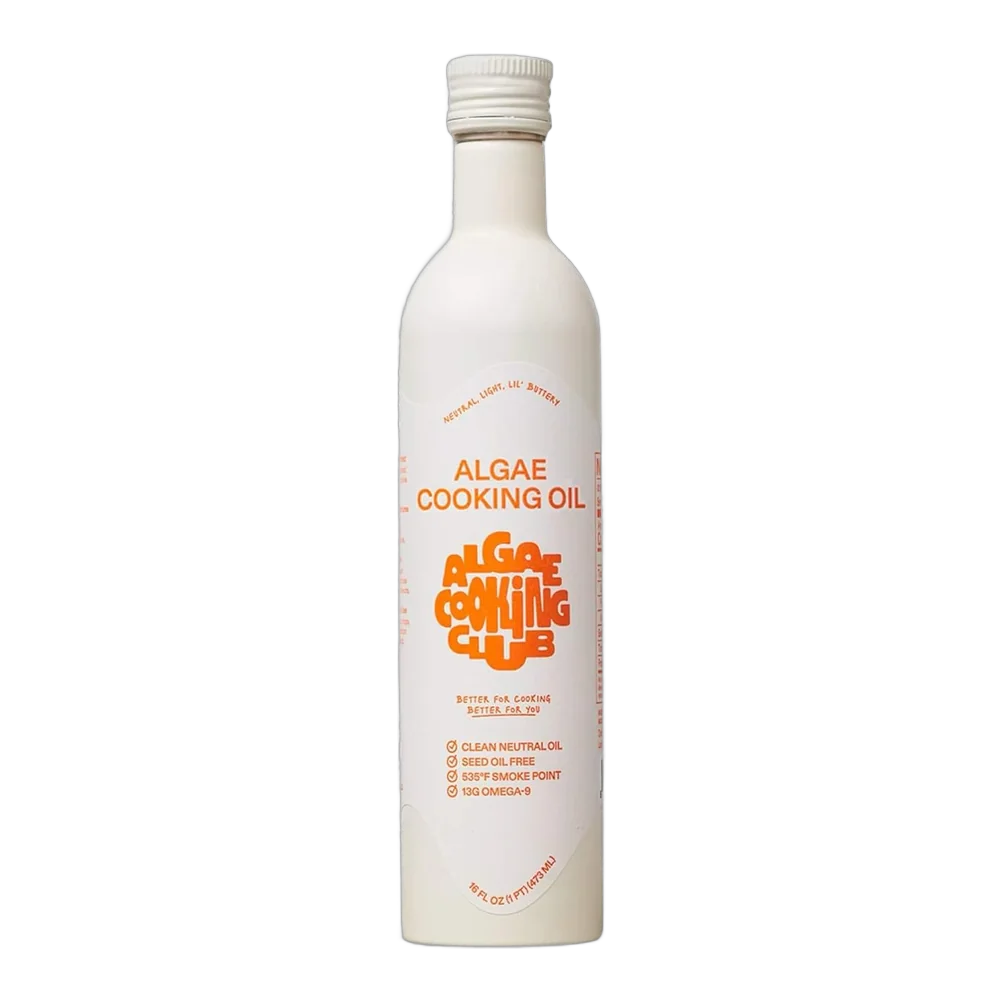
Comes in squeeze bottles now. Newer than anything else on this page, with far less written about it.
Purchase signal: One order, 2025. Size not recorded.
Price: $17.91 for two 7 oz bottles (September 26).
What to skip for frying
Canola, soybean, sunflower, corn and anything sold as plain vegetable oil. They are cheap, they are what most restaurant fryers are full of, and they carry a lot of polyunsaturated fat, which is the part that falls apart under heat. That is why none of them made the list above.
Quick questions
What is the healthiest oil for deep frying?
One with little polyunsaturated fat. Beef tallow is the most stable of the common choices, with lard, refined avocado oil and ghee close behind.
What is the best non seed oil for frying?
Tallow, if a beef flavour is fine. Refined avocado oil, if you want neutral.
Can you reuse frying fat?
Yes. Strain it once it cools, keep it covered and cool, and bin it when it darkens, foams, smells off or smokes early.
Is olive oil OK for frying?
For pan frying, yes. Deep frying in extra virgin gets expensive.
Is avocado oil really pure?
Sometimes. In the 2020 UC Davis tests only two bottled brands came back both pure and fresh.
The bottom line
Judge a frying fat by its polyunsaturated fat, not the smoke point printed on the label. Tallow has the least. Lard and avocado oil have more, but still far less than seed oils. I cook with tallow, lard and avocado oil all the time, and the avocado oil I have bought and used is Marianne’s, one of the two bottles that passed in 2020.
References
- U.S. Department of Agriculture, Agricultural Research Service. FoodData Central, SR Legacy: Fat, beef tallow (FDC 171400), Lard (FDC 171401), Oil, avocado (FDC 173573). FoodData Central
- UC Davis. Study finds 82 percent of avocado oil rancid or mixed with other oils. 2020. UC Davis
- UC Davis. Most avocado oil chips and dressings are adulterated, study finds. July 2026. UC Davis
I earn a small commission if you purchase through these links, at no
additional cost to you. I only recommend products I’ve personally used or
researched thoroughly. This helps support the work behind Better Living
Every Day.