
Just here for the picks? Jump to the magnesium I actually take →
In This Article
For years I thought magnesium was one of those supplements you either take or you don’t. Then I actually tried a few different kinds and found out the form changes almost everything — how it sits in your stomach, whether it helps you sleep, whether it does anything for a sore calf at all. Same mineral, completely different experience.
Here’s what I learned the hard way, and the ones I keep on hand now.
The big magnesium tablets were where I started, and they were also where I quit the first time. They’d sit in my stomach like a rock, and if I took too much, well, magnesium citrate has a reputation for a reason. So I backed off the dose and switched to a liquid, and that fixed most of it.
The liquid is the one I actually run out of. Trace Minerals makes a liquid ionic magnesium I take at night, and because it’s a liquid I can dose it small — a little goes in a glass of water and that’s it. No brick in the stomach, no next-morning surprise. Most of us are running a little low on magnesium and don’t really feel it until we’re not, and this is the one that got me taking it consistently.
Then there’s the stuff you don’t swallow at all. On leg days, or nights when my calves are tight, I’ll spray the NOW magnesium oil on and rub it in. It tingles a bit the first few times — that’s normal, apparently — and it fades. When a specific muscle is sore rather than my whole body being wired, the EPSOM-IT lotion is the one I reach for. It’s basically Epsom salts you can rub in without running a bath.
The citrate tablets I still keep around because they’re cheap and they work fine if your stomach tolerates them. And when I want the whole spread of magnesium forms in one capsule — the sleep-and-relax kind — Magnesium Breakthrough is the fancy one I take before bed on rough nights.
One form worth calling out on its own: magnesium glycinate. Go down the magnesium rabbit hole online and glycinate is the one everyone recommends. It’s magnesium bound to the amino acid glycine, which makes it gentle on the stomach — none of the citrate laxative surprise — and easy for your body to absorb. It’s the form people reach for to calm down and sleep, and it’s the base of that Breakthrough blend. These days I also keep a dedicated bottle of it, the Doctor’s Best glycinate, and that is what I actually reach for when sleep or a cramp is the reason rather than general topping up.
You don’t need all of these. I didn’t buy them all at once, either. Start with the glycinate at night, and if a specific muscle is the problem, add a topical. That’s most of it.
The picks I keep buying
Trace Minerals Liquid Ionic Magnesium, 400 mg (what goes back into my water)
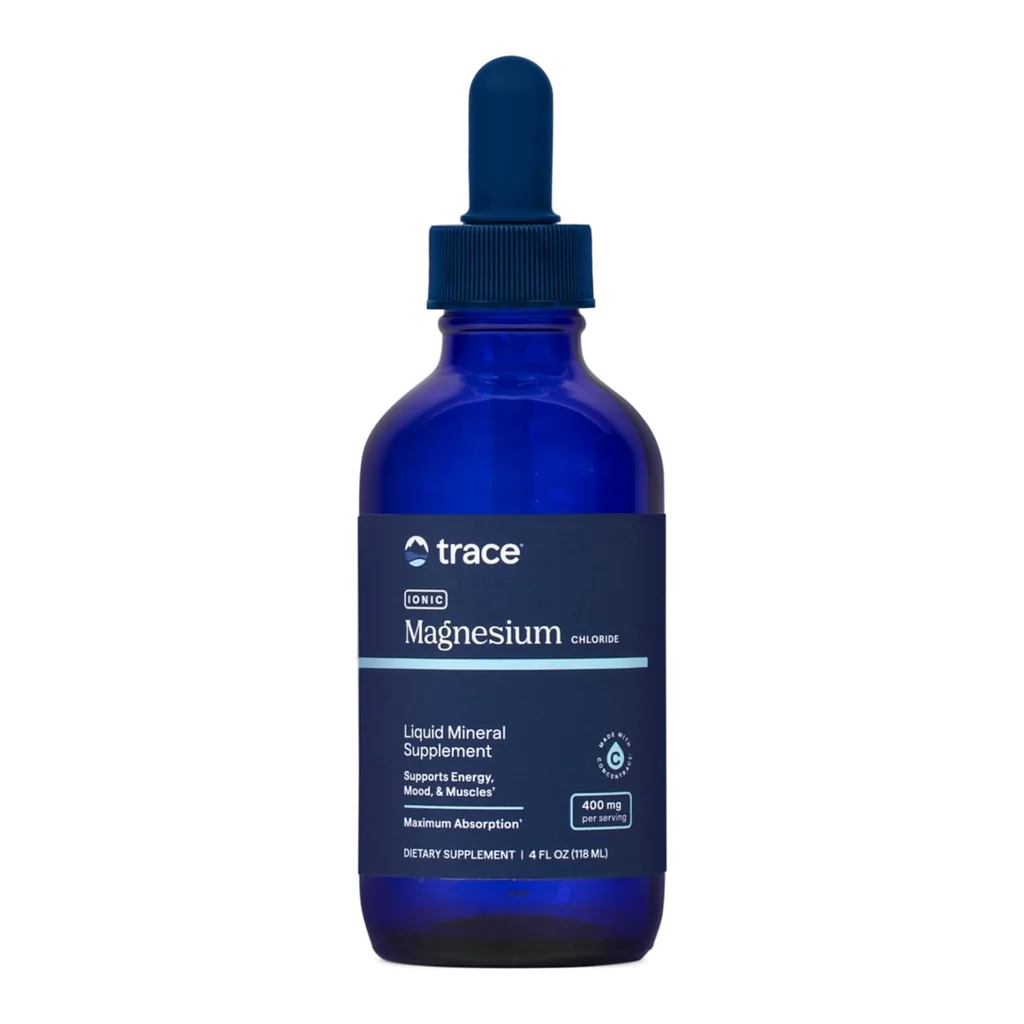
Liquid magnesium, and in this house it has one specific job: it goes into the reverse osmosis water to put minerals back after the filter has stripped them out.
Size: 4 fl oz
My take: The one I actually run out of, because it lives next to the tap rather than in a pill organizer. If you don’t run RO at home, this is not the format to start with. Buy one you will actually swallow.
NOW Magnesium Topical Spray, Zechstein (the one you don’t swallow)
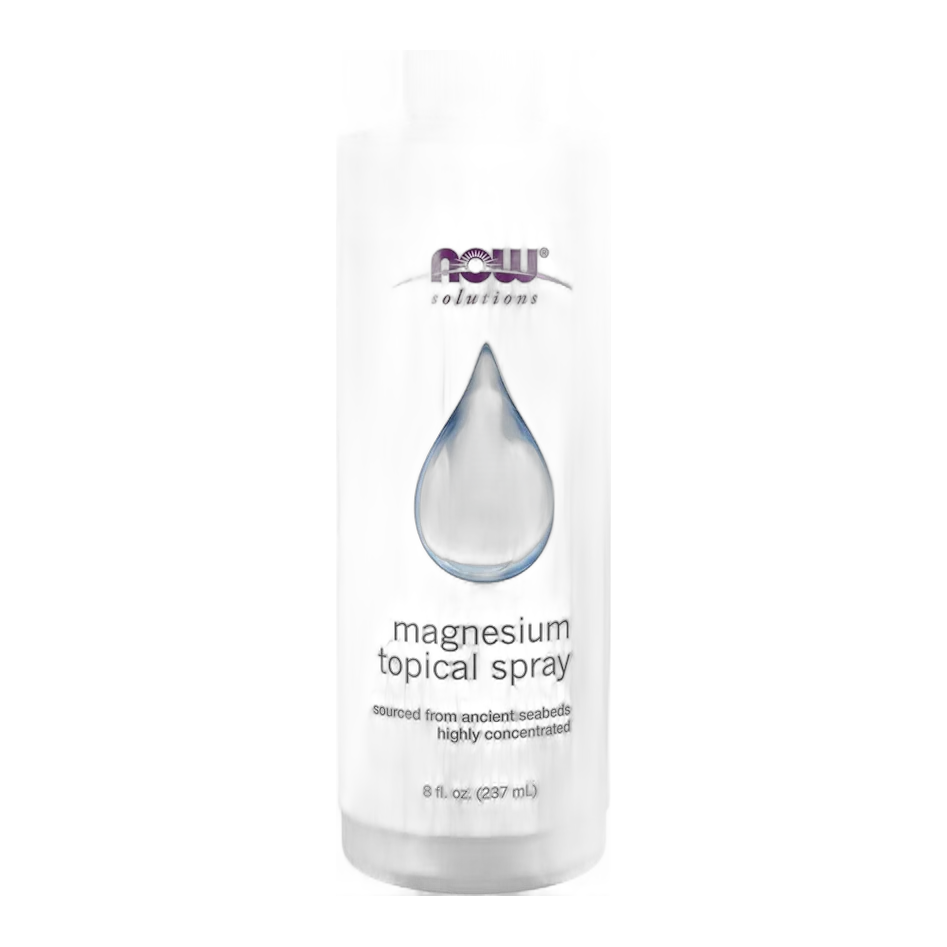
Magnesium oil you spray on and rub in instead of swallowing. For tight calves after leg day and restless legs at night.
Size: 8 fl oz
My take: Tingles a little the first few times, then it stops. Handy when my stomach’s had enough pills for the day.
EPSOM-IT Soothing Muscle Magnesium Lotion (the targeted one)

Epsom-salt relief you rub in — magnesium sulfate plus arnica. For one specific sore muscle rather than your whole body.
Size: 8 fl oz
My take: Basically a bath in a bottle. This is what I reach for when a single muscle is the problem.
Solaray Magnesium Citrate, 400 mg (the budget tablet)
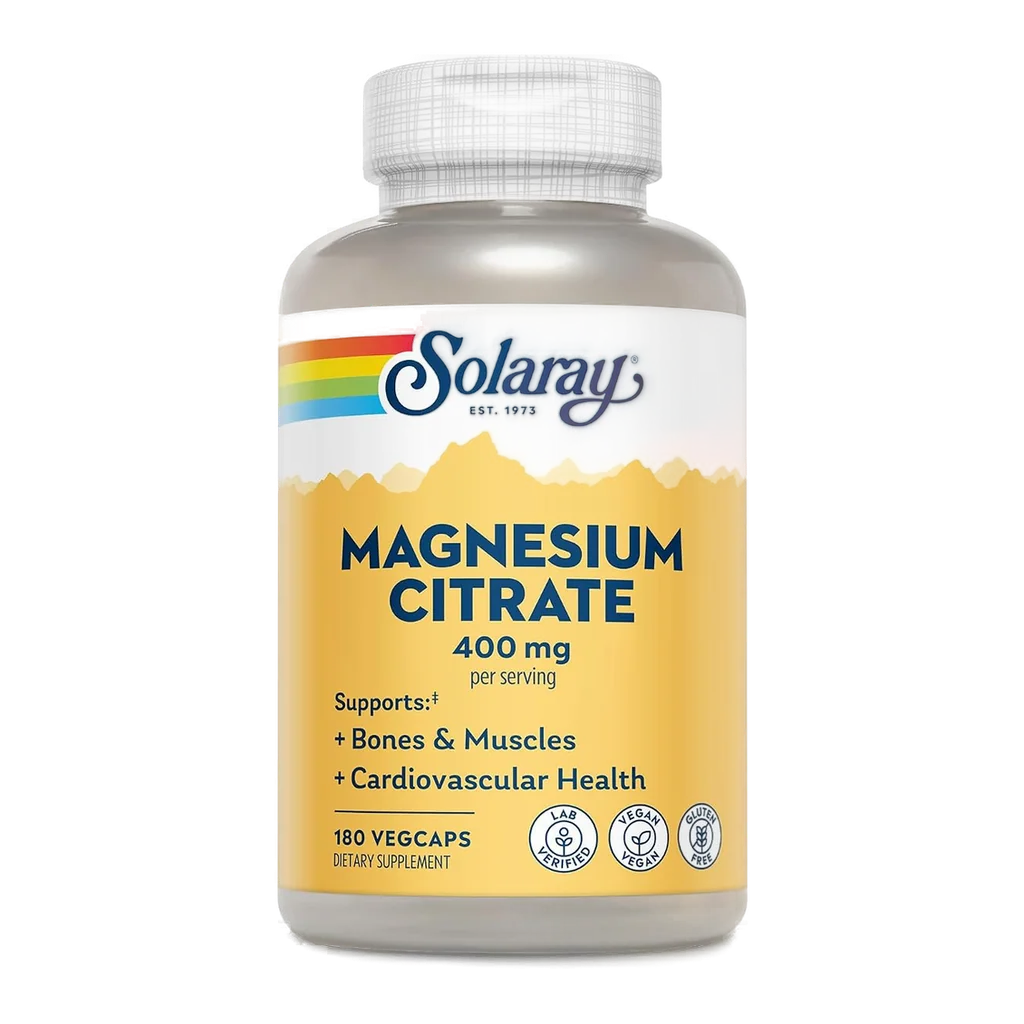
The plain capsule. Cheap and effective if your stomach tolerates citrate fine.
Size: 400 mg · 180 veg caps
My take: Where I started. Still a solid, inexpensive pick — just go easy on the dose at first.
BiOptimizers Magnesium Breakthrough (the 7-form blend)
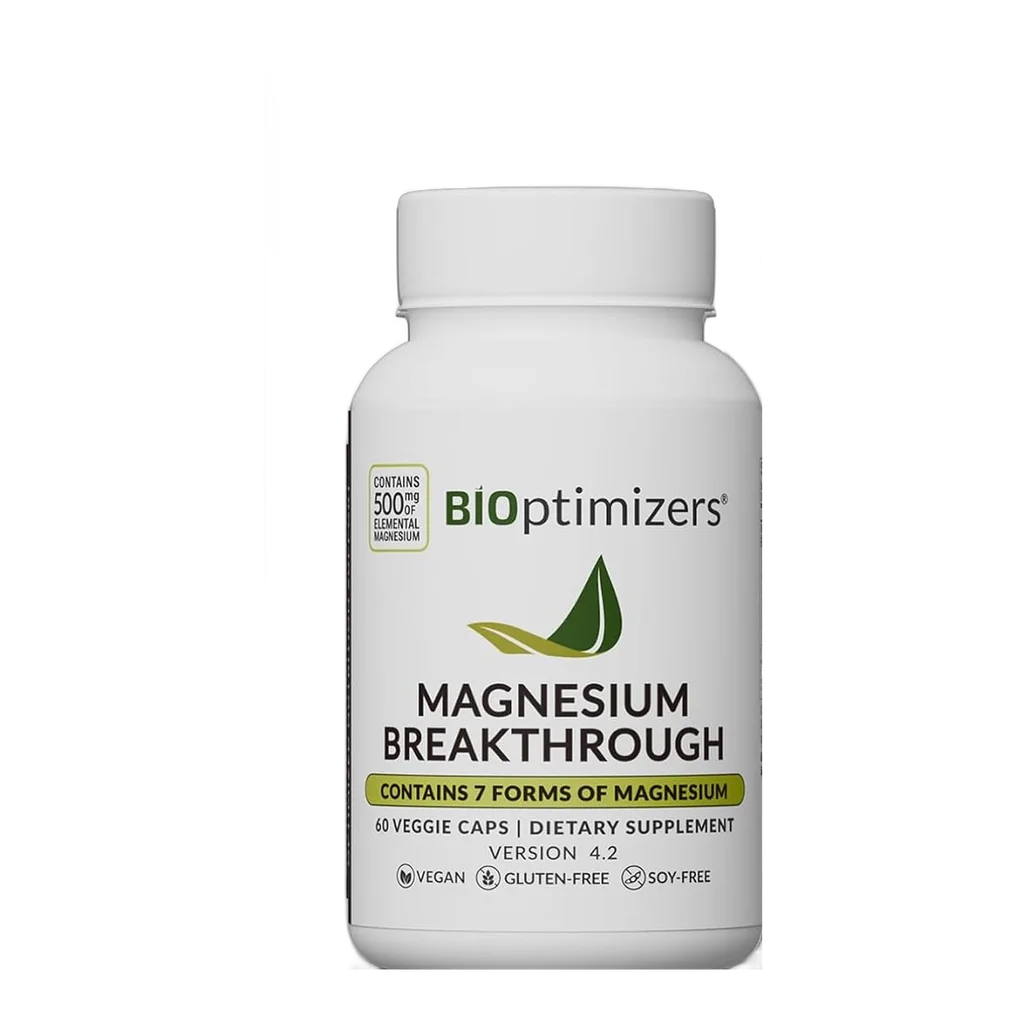
Seven forms of magnesium in one capsule. The relax-and-sleep option for rough nights.
Size: 500 mg · 60 veg caps
My take: The fancy one. I take it before bed when I want the whole spread of magnesium forms covered.
Doctor’s Best High Absorption Magnesium Glycinate (the form everyone recommends)
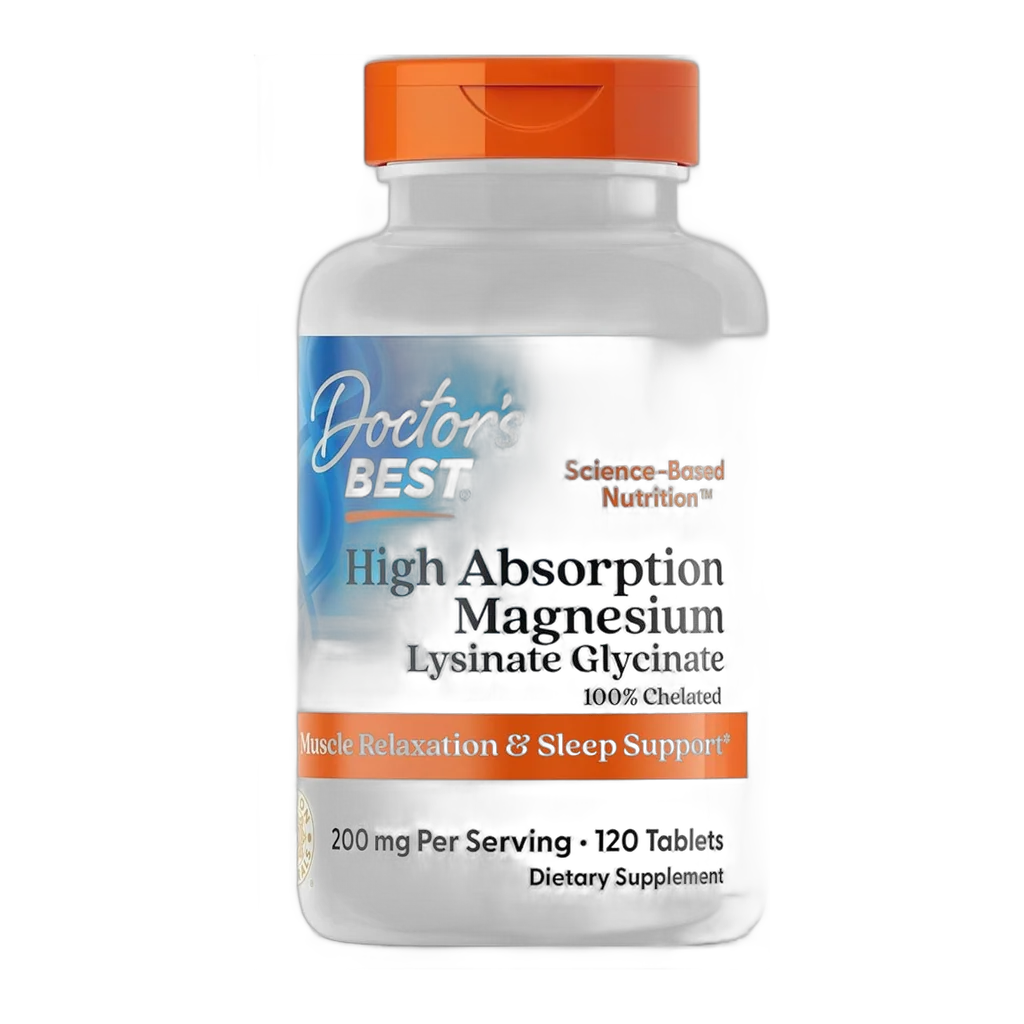
Chelated magnesium glycinate — gentle on the stomach and the form most people reach for to relax and sleep. 200 mg of elemental magnesium per serving.
Size: 200 mg · 120 tablets
My take: The dedicated glycinate I buy, and the one I reach for when sleep or a cramp is the reason. Gentle on the stomach, which is the entire argument for this form.
Quick questions
Which magnesium should I start with?
Glycinate, taken at night. It’s gentle on the stomach and it’s the form people reach for to wind down. The liquid in my picks is a different story: that one goes into my reverse osmosis water to replace the minerals the filter removes, which is a job rather than a bedtime supplement. And if a sore muscle is the issue, add a topical instead of upping the pill.
Citrate vs. glycinate — what’s the difference?
Citrate is cheap and effective but pulls water into your gut, so too much acts like a laxative. Glycinate is bound to an amino acid, which makes it gentle on the stomach and the one most people use for sleep and stress. Different jobs, same mineral.
Why did the tablets bother my stomach?
Magnesium citrate pulls water into your gut — that’s literally how it’s used as a laxative at higher doses. Smaller doses, a liquid, or switching to glycinate usually solves it.
Does the spray really absorb through skin?
People argue about how much gets in transdermally. I keep using it because tight muscles feel better after I rub it in, and that’s enough for me. The tingling the first few times is normal.
Personal routine, not medical advice. If you have kidney issues or take medication that affects your magnesium or potassium, check with your doctor before adding a supplement.