In This Article
My order history has two jars in it that are not peanut butter.
One is tahini. Sesame seeds, ground. The other is pumpkin seed butter, which is exactly what it sounds like, and green.
I bought both in 2023, once each. Since then the law changed underneath one of them, and that change is the part of this worth your time.
Sesame joined a list that had not moved since 2004
Eight major allergens. That was the American list: milk, eggs, fish, crustacean shellfish, tree nuts, peanuts, wheat, soy. Written into law in 2004 and then left alone for the better part of two decades.
Then sesame. The FASTER Act was signed in April 2021, and the labeling rules took effect on 1 January 2023.1 After that date a packaged food containing sesame has to say so, in the same bold way it would say peanuts, and that holds even when the sesame turns up as an ingredient made from sesame rather than as seeds you can see. Anything already sitting in the supply chain got to stay as it was, which is why this crept across the shelves instead of switching over one morning.
So if sesame has started appearing in bold on things you have been buying for years, nothing was added. The label caught up.
Tahini is not a spread
Most people meet tahini once, inside hummus, and never think about the jar again.
Which is fair, because it makes a poor sandwich. It is bitter and loose, closer to an ingredient than a topping.
It pays off in things you were making anyway. Whisk it with lemon and cold water and it goes pale and pours like cream, and that is a dressing. Spoon it over roasted vegetables. Stir it into anything that needs body and cannot have dairy.
Expect it to separate. The oil sitting on top is not a fault, so stir it back in. A jar that separates is a jar with nothing added to stop it, and that is usually the one you want.
Pumpkin seed butter answers exactly one question
My order record does not say why I bought this jar, and I am not going to invent a reason for it. The product has an obvious one, though. It exists for nut-free houses.
Add up peanuts, tree nuts and now sesame and most of the obvious spreads are gone. School rules take out more. Pumpkin seed butter sits outside all of it, and so does sunflower seed butter, which is easier to find and usually cheaper.
Nobody warns you about the colour. It is green. Properly green.
About those two jars
The record shows one of each, in 2023, and nothing since.
That is all it shows. It cannot tell you whether either jar got finished, whether I liked what was in it, or whether tahini has come from somewhere other than Amazon since then. I would rather leave those gaps open than fill them. Tahini is a strange thing to judge on reorders anyway, because one jar goes a long way.
Neither jar has an argument to make about your health. They are food. That is the appeal, and it is also why this post is shorter than the ones about pills.
The picks
Seed + Mill Organic Tahini, 16 oz
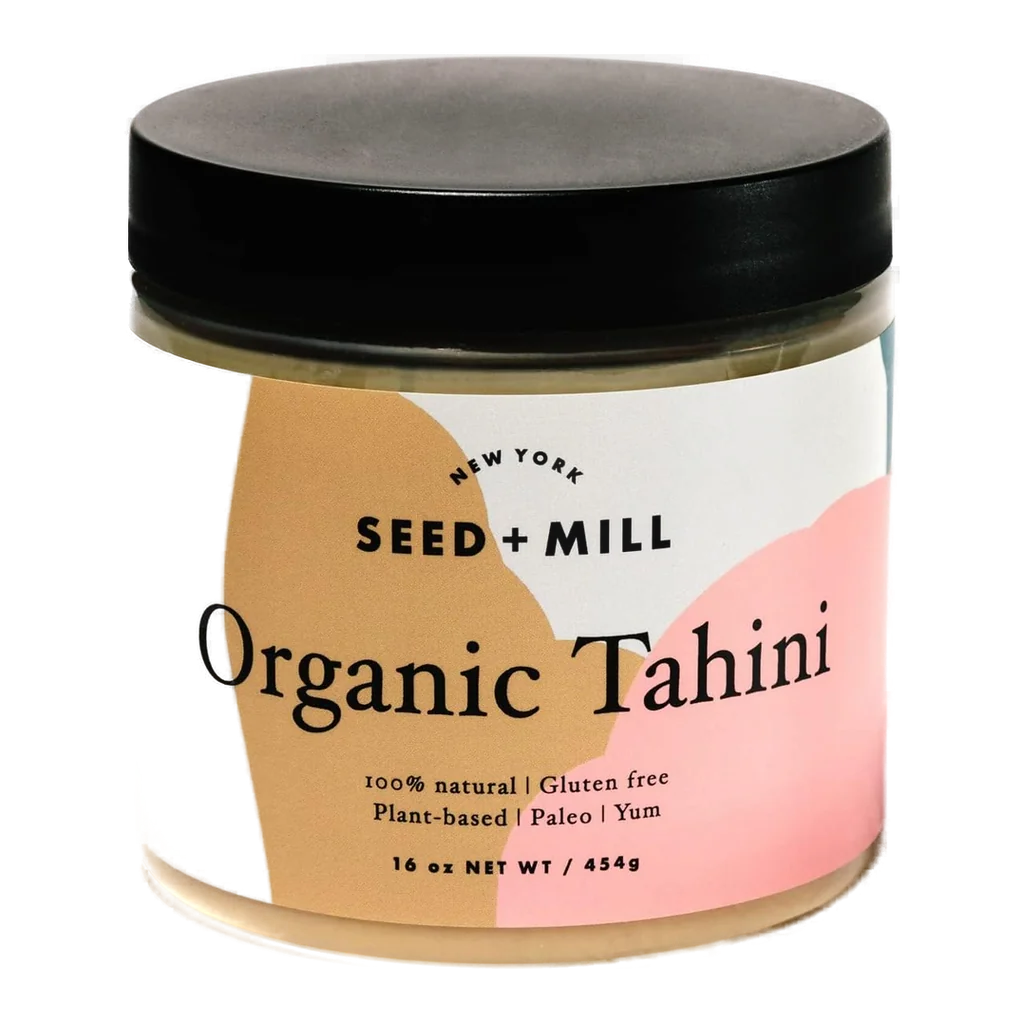
One ingredient, organic sesame, in a 16 oz jar, and sesame is a declared allergen on this now along with everything like it.
Purchase signal: Once · 2023
Price: Around $14.99 for 16 oz.
88 Acres Pumpkin Seed Butter, 14 oz
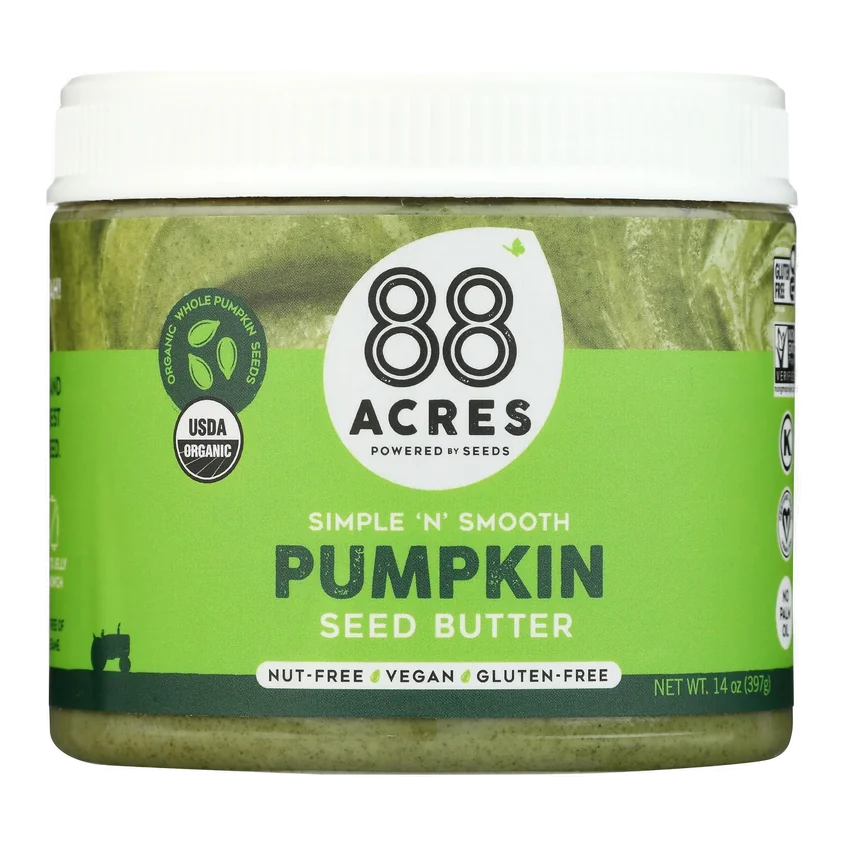
The nut-free and sesame-free one, from a company built around avoiding the major allergens rather than working around them, and an answer to the lunchbox problem rather than a nutritional one.
Purchase signal: Once · 2023
Price: Around $12.78 for 14 oz.
Quick questions
When did sesame become a major allergen?
April 2021 for the law, 1 January 2023 for the labels.
Is tahini healthier than peanut butter?
No, and picking a spread that way seems like a poor use of a decision. Both are ground seeds or nuts. Fat, protein, some minerals. Neither one is a supplement.
Which is best for a nut-free house?
Pumpkin or sunflower. And read the facility statement on the back rather than the reassuring words on the front.
Why is my tahini separated?
Nobody put an emulsifier in it. That is a good sign. Stir.
Does tahini go off?
It goes rancid rather than mouldy. Once it is open, the fridge buys you months.
The bottom line
Two jars, each bought once. The useful part is not either of them. It is that sesame joined the major allergen list in 2023, that your labels changed because of it, and that the change has quietly made life harder for some of the people it was written to protect.
References
- U.S. Food and Drug Administration. FASTER Act: sesame as the ninth major food allergen. FDA
Nothing here is allergy advice. If you or someone in your house has a diagnosed food allergy, the label and your allergist are the authorities, not an order history.
I earn a small commission if you purchase through these links, at no
additional cost to you. I only recommend products I’ve personally used or
researched thoroughly. This helps support the work behind Better Living
Every Day.