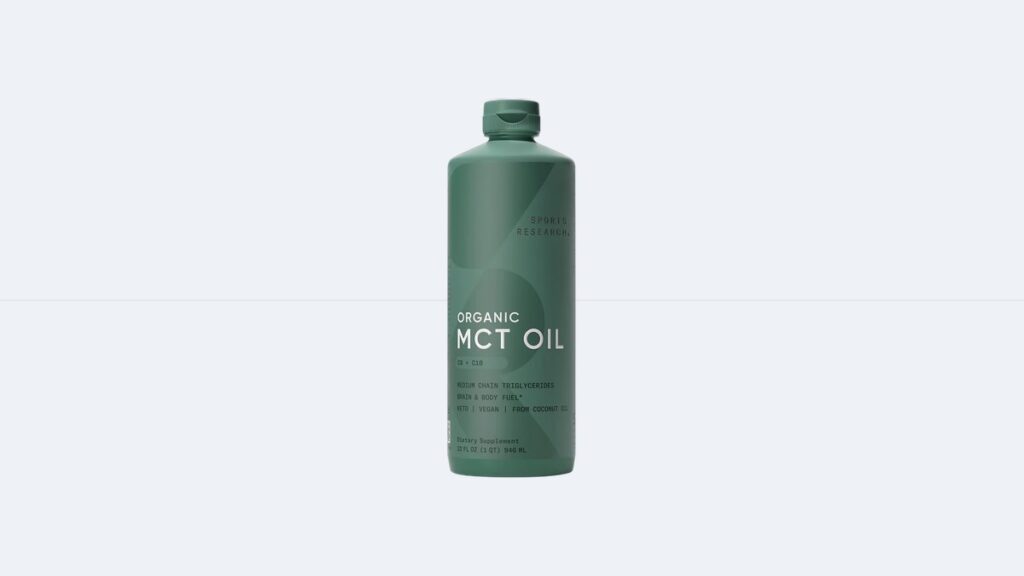
Just here for the picks? Jump to what goes in my cup →
In This Article
I’ve done the 16:8 thing on and off for years. Eat in an eight-hour window, skip breakfast, let the morning ride on coffee. The idea is simple. The mornings, when you’re staring down four more hours until noon and your stomach has opinions, are the hard part.
The thing that actually got me over the hump wasn’t willpower. It was putting fat in my coffee. I first heard about it from Dave Asprey and his Bulletproof stuff, tried it as a gimmick, and it quietly became the reason I can skip breakfast without white-knuckling it.
What Bulletproof coffee actually is
It’s coffee blended with two fats: MCT oil and grass-fed butter. You brew a strong cup, drop both in, and blend it until it goes frothy like a latte. That’s it. No sugar, no milk, nothing that spikes you out of the fasted state.
The fat is the trick. It keeps me full for hours without the calories from carbs or protein that would technically break a fast in the strict sense. Some people will argue the butter breaks it. For my goals, which is mostly just not eating until lunch, it works.
MCT oil, the part that does the work
MCT is the fraction of coconut fat your body burns fast for energy instead of storing. In the coffee it gives me a clean, level kind of alert, no jitters, no crash at 11. It’s the same reason people put it in keto coffee.
One hard-earned tip: go easy at the start. A full tablespoon on day one and you’ll be sprinting to the bathroom. I worked up from a teaspoon over a week and my gut got used to it. Get the C8 or C8/C10 kind.
The butter, and why 100% grass-fed
The butter is what makes the cup feel like a treat instead of a chore. It turns bitter black coffee into something rich and creamy, and it’s the fat that keeps hunger flat all morning.
Here’s where I changed my mind. I used to grab Kerrygold like everyone else, then I looked closer at how the cows are fed. It’s grass-fed, but not all year. The herd gets supplemented with grain, especially over winter, so it isn’t the 100% grass-fed butter a lot of people assume they’re buying. Still decent butter. Just not that.
So now I read the wrapper and only buy butter that actually says 100% grass-fed. Do the same and you won’t get fooled. What I use these days is Westgold, which I pick up at Walmart, and the Countryside Creamery Pure Irish Butter from Aldi. The Aldi one is the bargain of the two, a few dollars for real Irish grass-fed butter. Neither is sold on Amazon, so there’s no link here. You just grab them at the store.
The picks I keep buying
Natural Force Organic Pure C8 MCT Oil (32 oz, glass)
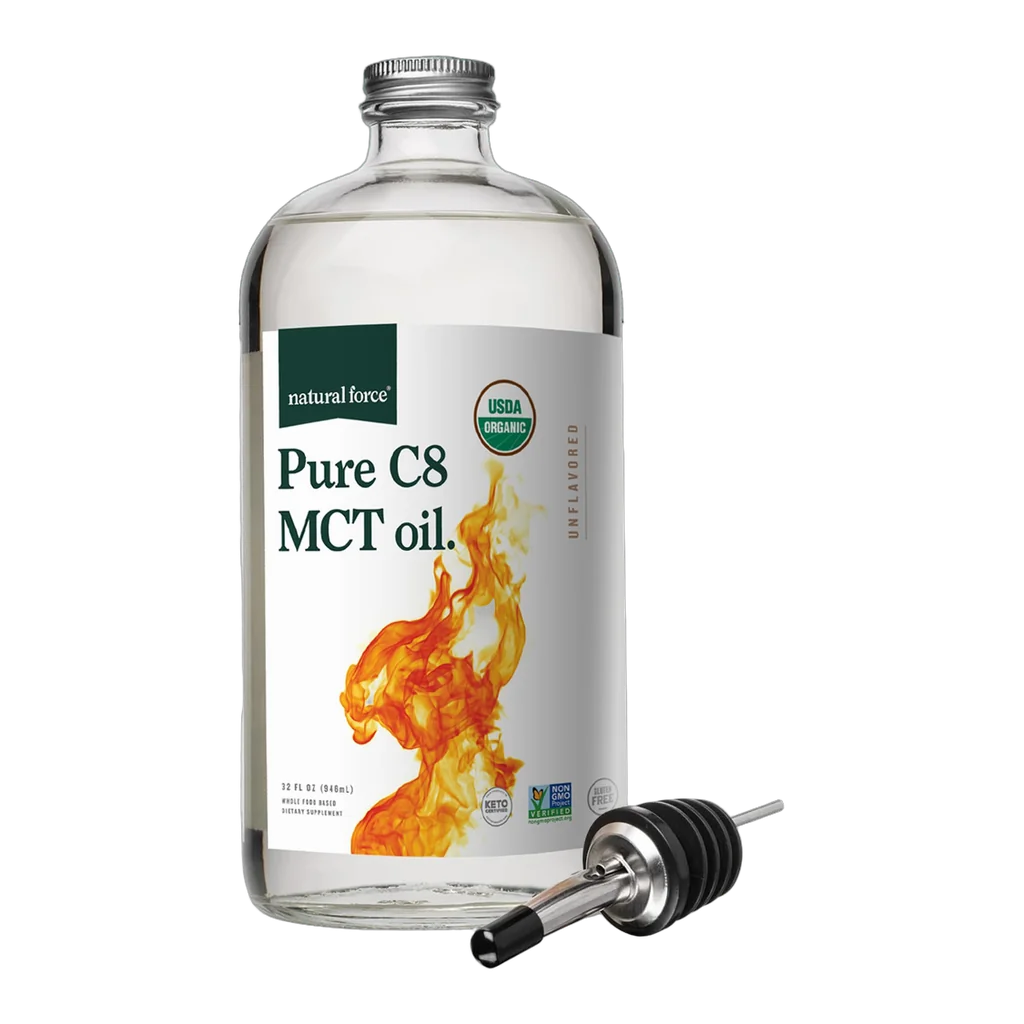
The energy half of the cup, and the bottle I’ve bought twice. A tablespoon blended into black coffee is basically my whole fasting-morning routine.
Size: 32 fl oz, glass
My take: Start at a teaspoon and work up, or your gut will have a word with you. This one is pure C8; a C8/C10 blend does the same job.
The butter: Westgold (Walmart) or Countryside Creamery (Aldi)
The creamy half, and where I’m fussy. Both are real grass-fed butter, and the Aldi one is the bargain. I dropped Kerrygold once I learned its cows are supplemented rather than fed grass year-round.
Where to buy: Westgold at Walmart · Countryside Creamery Pure Irish Butter at Aldi. Neither is on Amazon, so there’s no link here, just grab them in person.
Label tip: Only buy butter that says 100% grass-fed on the wrapper. Plenty of big-name “grass-fed” butters supplement with grain, so the label is what proves it.
Quick questions
Doesn’t the butter break my fast?
Technically it’s calories, so a purist would say yes. For fat loss and just getting to lunch without a meltdown, a fat-only coffee has never gotten in my way. If you’re fasting for strict autophagy reasons, skip it and drink it black.
How much of each?
Start small. A teaspoon of MCT and a teaspoon of butter, blended. Work up to a tablespoon of each once your stomach’s on board.
Do I have to blend it?
Yes, actually blend it. Stirring leaves an oil slick on top. Ten seconds in a blender or with a frother turns it creamy.
This is my own routine, not medical or weight-loss advice. Intermittent fasting isn’t for everyone, especially if you’re pregnant, diabetic, or have a history of disordered eating. Talk to your doctor before changing how you eat.
I earn a small commission if you purchase through these links, at no
additional cost to you. I only recommend products I’ve personally used or
researched thoroughly. This helps support the work behind Better Living
Every Day.