In This Article
In 2017 I bought a tub of Nutiva organic hemp protein, the high fibre version. Cold pressed, eleven grams of protein a scoop.
My order record shows that one purchase and no second one. It does not say why, so I will leave the why alone.
What the research does say is that the grams of protein on the front of a tub are not the number that matters, and hemp protein is a good illustration of why.
The number the label does not print
Protein quality is not a vibe. It has been measured for decades, and the standard scale is called PDCAAS, which is a clumsy acronym for a fairly simple idea.
Your body needs nine amino acids it cannot manufacture. A protein source is scored on two things: how much of the scarcest of those it contains relative to what a human needs, and how much of it you actually digest. Multiply them, and you get a score.
Whey, casein, egg and soy isolate all come out at the top of that scale. Most plant proteins do not.
Hemp protein powder of the Nutiva Hi-Fiber kind is the cold-press meal. It is what is left after the oil is squeezed out. So the tub I bought sat in that 46 to 51 percent band, which is roughly half the score of the dairy protein it is usually positioned against.
One honest caveat about that scale
PDCAAS has a quirk that nobody selling protein powder will mention, and it cuts against the tidy story I just told.
The scale is truncated at 1.00. Any protein that exceeds human requirements for every amino acid gets recorded as 1.00 and no higher. Whey, egg and soy isolate are all sitting at that ceiling, and the score genuinely cannot tell you which is better, because it has stopped counting.
So “about half” is a fair description of hemp meal against the ceiling. It is not a precise ratio against whey specifically, and anyone who gives you one to two decimal places is overreading the instrument.
Why lysine is the one that runs out
This is where an abstract score turns into a shopping decision.
Amino acid scoring works on the weakest link. It does not matter how much of the other eight a food has: whichever one falls furthest short of requirement sets the score for the whole thing. For hemp, and for grains generally, that limiting one is lysine.
Which means the fix is not a better hemp protein. There is no hemp powder that solves this, because it is a property of the seed. The fix is eating something else in the same day that carries lysine, so the shortfall never happens.
The other bag
The record has one more line that belongs here: BetterBody Foods organic quinoa, bought once, in 2023, six years after the hemp.
Quinoa is one of the few plant staples that does not have the grain lysine problem. Reviewing the Andean pseudocereals, researchers put them at 13 to 18 grams of protein per 100 grams dry, with adequate levels of lysine, methionine and threonine measured against adult requirements.2
I want to be careful not to oversell that. “Adequate against adult requirements” is not the same as “equal to egg”, and quinoa is not a protein powder. A cooked cup gives you around eight grams, which is a side dish contribution rather than a protein shake.
But it does mean the two things I bought six years apart happen to cover for each other exactly where it matters. The hemp is short on lysine. The quinoa is not.
Nutiva Organic Hemp Protein, Hi-Fiber (16 oz)
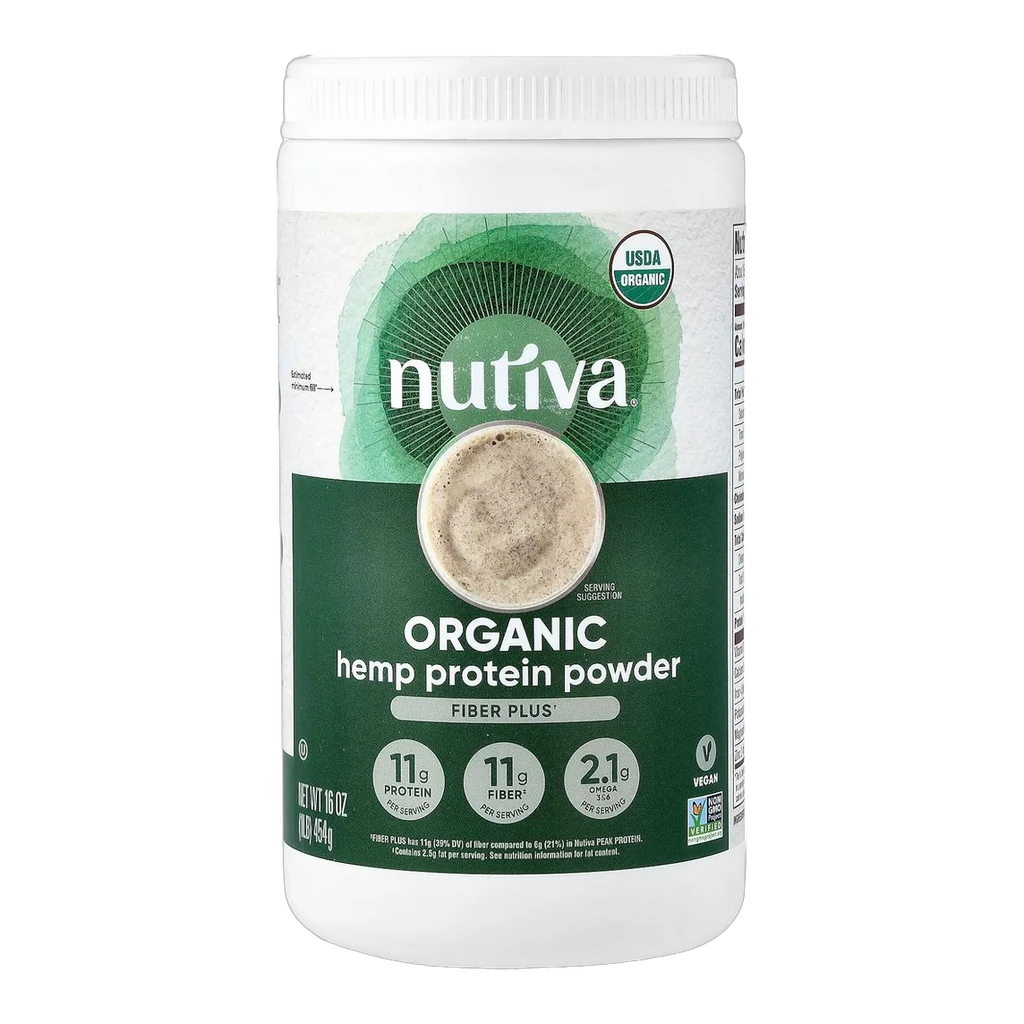
The cold-pressed meal, eleven grams of protein and eleven grams of fibre per serving. Bought once in 2017 and not repurchased, and the record does not say why. If the fibre is what you are after, that part is right there on the label. If you are buying it as your main protein source, the amino acid profile is working against you.
Purchase signal: Bought once, 2017. Never reordered.
Price: Around $20.89 for 16 oz.
BetterBody Foods Organic Tri-Color Quinoa (1.5 lb)
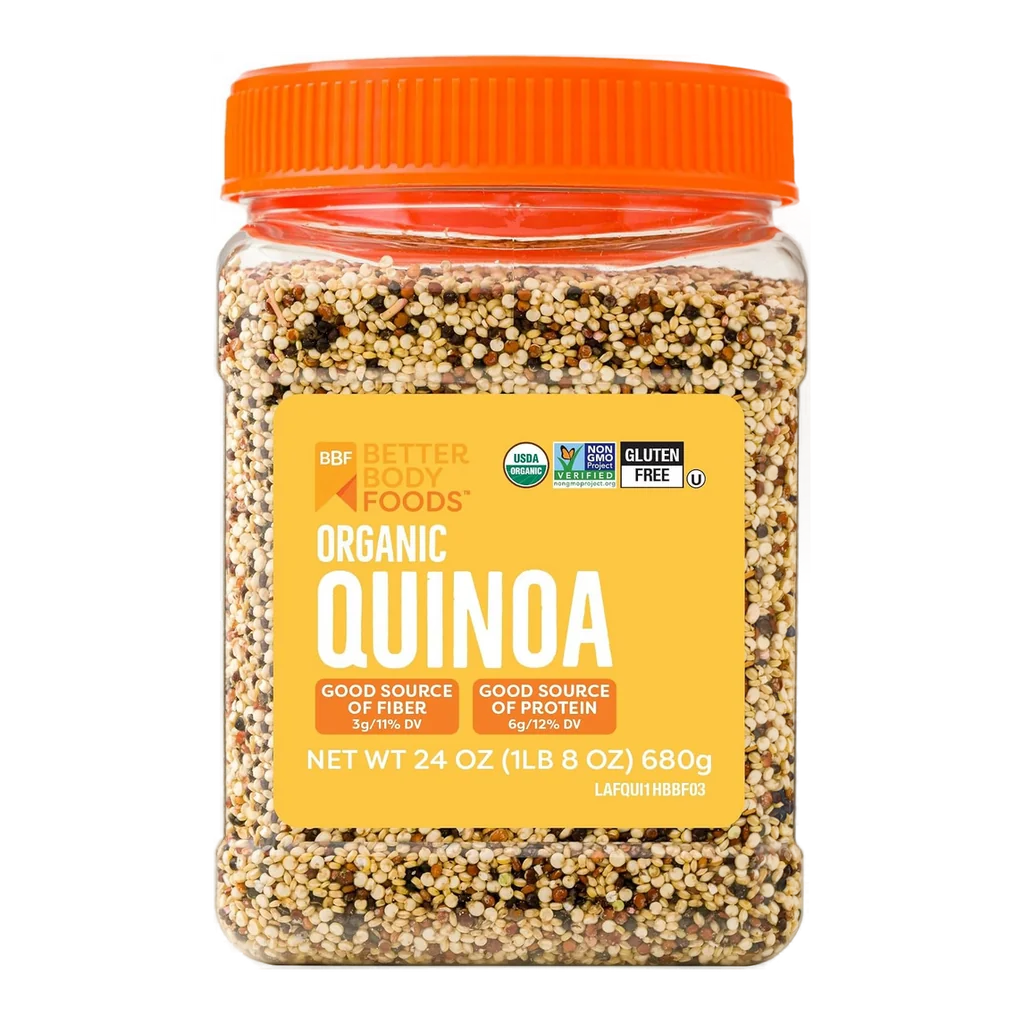
My record says BetterBody Foods organic quinoa, once, in 2023, and gives neither a colour nor a size. This is the tri-colour 1.5 lb bag, which is how BetterBody lists its organic quinoa on Amazon. Rinse it before cooking regardless of what the packet says about being pre-washed, or you get a soapy edge from the saponins on the husk.
Purchase signal: Bought once, 2023.
Price: Around $10.92 for 1.5 lb, roughly $0.46 an ounce.
What to take from this
Stop reading the grams on the front of protein tubs as though they were comparable across sources, because they are not. Eleven grams of hemp protein and eleven grams of whey are not the same eleven grams, and no label on either tub will tell you that.
Then worry about it a good deal less than the internet suggests. If you eat a reasonable variety of food, the limiting amino acid problem quietly solves itself. It only becomes a real issue if a single mediocre protein source is doing most of the work in your diet, which is exactly the scenario a big tub of hemp powder invites.
Quick questions
Is hemp protein a complete protein?
It contains all nine essential amino acids, which is the technical basis for the “complete” claim on the packaging. But it is low enough in lysine that lysine sets its score, and the measured PDCAAS for cold-pressed hemp meal lands around 46 to 51 percent. Complete and high quality are two different statements, and only the first one is on the bag.
Does that mean plant protein is worse?
Per gram and per source, most plant proteins score lower, yes. Across a mixed diet it stops mattering, because different plants run short on different amino acids and cover for each other. Soy isolate is also a plant protein and sits at the top of the scale, so it is not a plant versus animal rule so much as a source by source one.
Why does quinoa get treated as special?
Because most grains are short on lysine and quinoa is not, which is unusual enough that it does most of the work in quinoa’s reputation. It is still a modest amount of protein per serving, so treat it as a better rice rather than as a protein supplement.
Do I need to combine proteins at the same meal?
No. That advice was an overcorrection and has been walked back. Eating varied protein sources over the course of a day is sufficient, and you do not need to engineer individual plates.
References
- House JD, Neufeld J, Leson G. Evaluating the quality of protein from hemp seed (Cannabis sativa L.) products through the use of the protein digestibility-corrected amino acid score method. Journal of Agricultural and Food Chemistry. 2010;58(22):11801-7. PMID 20977230
- Quevedo-Olaya JL, et al. Potential of Andean grains as substitutes for animal proteins in vegetarian and vegan diets: a nutritional and functional analysis. Foods. 2025;14(17). PMID 40941103
This is food, not medicine, and nothing here is dietary advice for a specific person. If you are managing a medical condition, are pregnant, or follow a fully plant-based diet and want to be confident you are covered, a registered dietitian is worth more than any article.
I earn a small commission if you purchase through these links, at no
additional cost to you. I only recommend products I’ve personally used or
researched thoroughly. This helps support the work behind Better Living
Every Day.